
How To
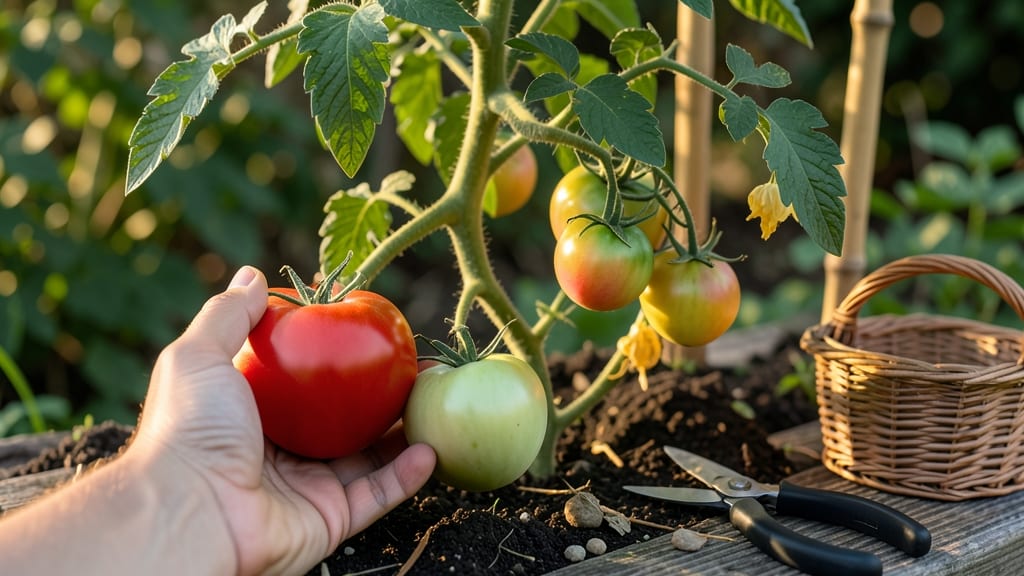
Knowing how to know if a tomato is ready to pick means catching it at peak flavor—or missing out on the sweet, juicy payoff you’ve been waiting for.
Picking tomatoes at the wrong time can mean the difference between a burst of sweet, juicy flavor and a bland, mealy disappointment—so how do you know when they're truly ready?
Most gardeners rely on color alone, but texture, scent, and even the time of day play a role. Heirloom varieties, for example, ripen differently than hybrids, and a gentle squeeze test can save you from harvesting too early or too late.
Below, I’ll walk you through the color stages, touch tests, and timing tricks that guarantee you never miss a ripe tomato again.


Tomato ripening stages by color: what to look for at each phase
Understanding the tomato ripening stages by color helps you harvest at peak flavor. Tomatoes don’t ripen evenly—especially heirloom varieties—so knowing the visual cues saves you from picking too early or too late.
The process moves through four distinct phases, each with unique characteristics that tell you exactly when to harvest.
First, let’s clarify that color alone isn’t enough to determine ripeness. For example, a green tomato might still ripen off the vine if brought indoors, but its flavor and texture will never match vine-ripened fruit.
Meanwhile, hybrid varieties often ripen faster than heirlooms, so timing matters even more. Here’s what to watch for at each stage:
The green stage is the longest for most tomatoes, especially in cooler climates.
During this phase, the fruit is hard and unyielding to the touch, with no scent. Heirloom varieties like Brandywine or Cherokee Purple may take 70-90 days to transition from green to ripe, while hybrids like Early Girl ripen in 50-60 days. Pay attention to your specific variety’s expected timeline.
When tomatoes enter the turning stage, you’ll notice patches of their mature color—red, yellow, orange, or purple, depending on the variety. This is where texture changes slightly: the skin becomes just a bit softer, and a gentle squeeze should feel like pressing a ripe avocado.
The scent is subtle but sweet, almost like a cross between a peach and a melon. This is the best time to pick heirlooms if you’re worried about frost, as they’ll ripen indoors with a paper bag trick.
At the ripe stage, tomatoes reach their peak flavor and texture. The color is uniform and vibrant, with no green patches. The skin gives just slightly when pressed—think of a perfectly ripe peach. The scent is intense and sweet, often with a hint of floral notes.
This is when you should harvest red varieties like Beefsteak or Roma for the best taste. For yellow or orange tomatoes, like Sun Gold, ripeness is indicated by a golden hue and a slight softness near the blossom end.
If you miss the ripe window, tomatoes can become overripe, which is easy to spot. The skin may develop cracks or wrinkles, and the color fades to a dull shade. The texture becomes mushy or mealy, and the scent turns fermented or sour.
While overripe tomatoes aren’t ideal for fresh eating, they’re perfect for sauces, salsas, or roasting. Some gardeners even save seeds from overripe fruit for next year’s harvest.
One common mistake is assuming all tomatoes ripen the same way. For example, black tomatoes like Black Krim turn deep purple-black when ripe, while green tomatoes like Green Zebra stay green but develop stripes and a waxy texture.
Always check your seed packet or plant tag for variety-specific ripening clues. If you’re unsure, use the stem twist test: a ripe tomato’s stem should separate cleanly from the vine with a slight tug.
Temperature also plays a role in ripening. Tomatoes ripen faster in warm, sunny conditions (70-85°F) but slow down in cooler weather. If your tomatoes are still green when frost threatens, pick them early and ripen indoors by placing them in a paper bag with
5 Key tests to confirm tomato ripeness beyond just color
Color is just the beginning when determining if your tomatoes are ready to pick. While a deep red or rich yellow hue signals ripeness, some varieties—like heirlooms or green-fleshed types—don’t follow the classic color rules.
That’s why I rely on five hands-on tests to confirm ripeness, ensuring peak flavor every time. These methods work for all tomato varieties, from cherry to beefsteak, and help avoid the frustration of picking too early or too late.
Many gardeners make the mistake of focusing solely on color, but texture, scent, and even stem resistance reveal far more about a tomato’s readiness. For example, a gentle squeeze test can tell you if the fruit is firm enough for transport or perfect for immediate eating.
Meanwhile, the way the stem separates from the vine is a foolproof sign of ripeness that even experienced growers sometimes overlook. Let’s dive into these practical tests to help you harvest tomatoes at their flavor peak.
Press the tomato lightly with your thumb. A ripe tomato should yield slightly but still feel firm—like a ripe avocado. If it’s rock-hard, it’s not ready; if it’s mushy, it’s overripe.
Gently twist the tomato at the stem. If it separates easily with a slight popping sound, it’s ready. If the stem resists or tears, wait a few days. This is the most reliable test for heirloom varieties.
Look at the leaves behind the tomato. If they’re yellowing or dying, the tomato is stealing nutrients and may be overripe. Healthy green leaves mean the fruit is still maturing properly.
Check the bottom (blossom end) of the tomato. It should turn yellow, pink, or light green when ripe. A green blossom end means the tomato needs more time on the vine.
For the most accurate test, cut one tomato open. A ripe tomato should have juicy flesh and a sweet, tangy aroma. If it tastes bland or mealy, it’s not fully ripe yet.
One common mistake I see is picking tomatoes based on size alone. A large tomato isn’t necessarily ripe—it could be overgrown and flavorless. Instead, combine the squeeze test with the stem separation method for the most accurate results.
For example, a cherry tomato might pass the squeeze test but fail the stem test, meaning it needs more time. Always prioritize the stem test for heirloom varieties, as their color changes can be subtle.
Environmental factors also play a role in ripeness. If your tomatoes are ripening slowly due to cool temperatures or low sunlight, rely more on the stem separation and flavor tests rather than color.
I’ve had years where my tomatoes stayed green well into fall, but the stem test saved the harvest. Pro tip: Use a black plastic bag to speed up ripening indoors—place the unripe tomato in the bag for 2-3 days to trigger ethylene gas production, which ripens the fruit faster.
Once you’ve confirmed ripeness, handle your tomatoes with care. Place them in a single layer on a tray to avoid bruising, and store them at room temperature for the best flavor.
If you’re unsure whether a tomato is ready, err on the side of waiting—underripe tomatoes won’t improve off the vine, but ripe ones can overripen quickly. With these five tests, you’ll never second-guess your harvest again.