
Vegetables
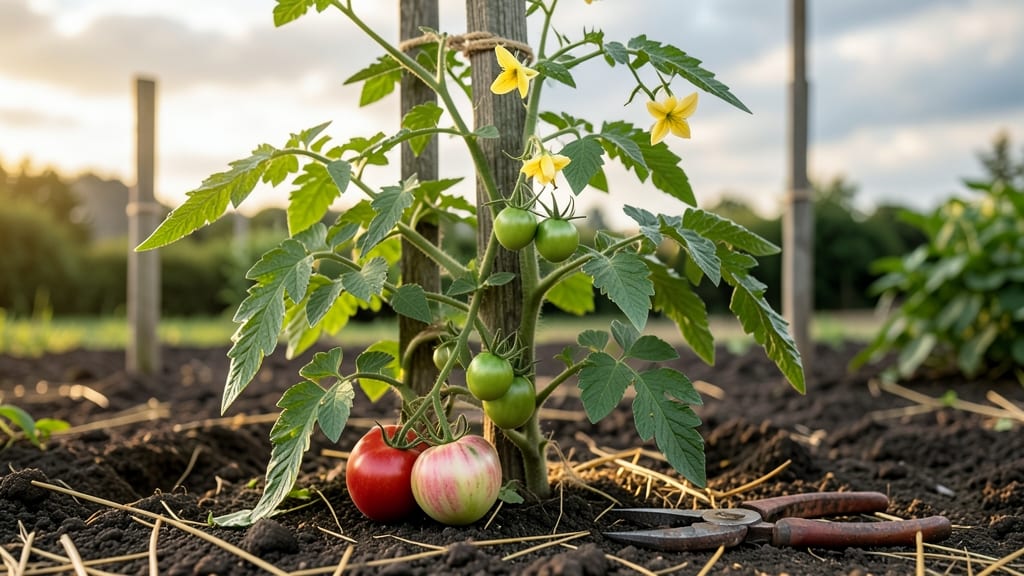
Brandywine tomato height can reach an impressive 6 feet or more if left unchecked, turning your garden into a jungle of lush vines.
If your Brandywine tomato plants are reaching sky-high—like the legendary 6-foot vines they’re known for—you might be wondering how to manage their growth without sacrificing yield.
These heirloom beauties thrive when given space, but unchecked vines can overwhelm small gardens or trellises, leaving you scrambling for control. The key is understanding when and how to prune to balance height with fruit production.
In this guide, I’ll walk you through the natural growth patterns of Brandywine tomatoes, how to control their height with smart pruning, and the best trellising methods to keep your plants productive and manageable.

How tall do Brandywine tomatoes naturally grow (and When to prune)
Brandywine tomatoes are famous for their indeterminate growth, meaning they don’t stop climbing until frost kills them. In ideal conditions, these heirloom varieties can reach 6+ feet tall, producing heavy vines with massive fruit.
Without proper support or pruning, your plants may sprawl uncontrollably, shading lower leaves and reducing yield. Understanding their natural growth patterns helps you balance height with productivity.
These tomatoes grow 3-4 feet in their first year but can easily double in height by their second year if left unchecked. The Brandywine Pink and Brandywine Red varieties follow similar growth curves, though some plants may exceed 7 feet in perfect conditions.
Their sprawling habit makes trellising essential, especially in small gardens where space is limited.
The key to managing their height lies in pruning at the right stages. Early-season pruning encourages stronger stems, while mid-season trimming directs energy toward fruit production. Late-season pruning helps maintain airflow, reducing disease risk. Without intervention, your vines may become top-heavy, leading to broken stems and lost harvests.
Here’s a quick reference for Brandywine tomato growth and care:
| Growth Stage | Height Range | Pruning Trigger | Support Needed |
|---|---|---|---|
| Seedling (0-6 in) | 0-0.5 ft | None (focus on root growth) | Small stakes (optional) |
| Early Vegetative (6-12 in) | 0.5-1 ft | Remove lower leaves for airflow | Trellis or cage (3-4 ft) |
| Flowering (1-2 ft) | 1-2 ft | Prune suckers below first fruit cluster | Trellis (4-5 ft) |
| Fruiting (2-4 ft) | 2-4 ft | Prune aggressively after harvest | Strong trellis (5-6 ft) |
| Mature (4-6+ ft) | 4-6+ ft | Prune to control height, remove diseased leaves | Heavy-duty trellis or stakes |
Pruning isn’t just about height control—it’s about directing energy where you want it. When you remove suckers (the small shoots between the main stem and branches), you encourage the plant to focus on existing fruit clusters rather than growing more leaves.
This technique is especially critical for Brandywine tomatoes, which produce heavy fruit loads that can overwhelm weak stems.
The best time to start pruning is when your plants reach 12-18 inches tall. At this stage, you’ll begin seeing suckers (the small shoots in the leaf axils). Remove these early to prevent them from becoming thick, unproductive vines.
Use clean, sharp pruners to make cuts just above a leaf node, which encourages new growth in the right direction.
As your Brandywine tomatoes mature, their vines will naturally climb higher, but you can train them vertically with a sturdy trellis or cage. This not only saves space but also improves air circulation, reducing the risk of blight and other fungal diseases.
If you’re growing in containers, choose a 5-foot-tall cage or a heavy-duty trellis to support their weight.
One common mistake is pruning too aggressively early in the season, which can stunt growth. Aim to remove no more than 20-30% of the plant’s foliage at any single pruning session.
Over-pruning can reduce photosynthesis, leading to fewer flowers and fruit. Instead, focus on selective pruning—removing only the suckers and diseased leaves while preserving healthy growth.
By understanding your Brandywine tomatoes’ natural growth patterns and pruning strategically, you can enjoy 6-foot vines without sacrificing yield or overwhelming your garden space. With the right support and care, these plants will reward you with beefsteak-sized tomatoes all season long.
Step-by-step pruning guide to control Brandywine tomato height
Controlling the 6-foot height of Brandywine tomatoes starts with smart pruning—especially since these indeterminate varieties keep growing until frost. The key is balancing vine growth with fruit production while keeping plants manageable.
I’ve pruned Brandywines for years, and the difference between a sprawling mess and a productive, compact plant comes down to timing and technique.
Pruning isn’t just about cutting back—it’s about directing energy to where you want it: fruit-bearing stems and strong branches. By removing suckers (those little shoots in the leaf axils) and overgrown leaves, you improve airflow, reduce disease risk, and encourage bigger tomatoes.
But do it wrong, and you’ll stunt growth or invite pests. Let’s break it down step by step.
🌱 Your Brandywine Pruning Checklist
-
Step 1: Gather Tools
✂️ Bypass pruners (clean, sharp) + gloves (to avoid thorns). Disinfect tools with rubbing alcohol between plants to prevent disease spread.
-
Step 2: Identify Suckers vs. Fruit Stems
🌿 Suckers = shoots in leaf axils (remove). Fruit stems = main stems with flowers/fruit (keep). Use your thumb to gently pinch suckers early or prune with shears later.
-
Step 3: Prune for Airflow (Early Season)
🌡️ When: 2–3 weeks after transplanting. How: Remove bottom leaves up to 12 inches from the ground. This prevents soil-borne diseases and directs energy upward.
-
Step 4: Limit Vine Height (Mid-Season)
📏 When: June–July (peak growth). How: Pinch or cut the main stem at 5–6 feet to cap height. Leave 3–4 fruit clusters per stem for maximum yield.
-
Step 5: Encourage Bushier Growth (Late Season)
🌳 When: August (slow growth phase). How: Prune aggressively to remove weak stems and shady leaves. This boosts airflow and ripens remaining fruit faster.
-
Step 6: Post-Harvest Cleanup
✂️ When: After first frost or harvest. How: Cut back dead vines to 6 inches above ground. Compost healthy leaves; discard diseased ones.
💡 Pro Tip: Prune on dry, sunny mornings to let wounds heal faster. Avoid pruning after rain to reduce disease risk.
Timing is everything with Brandywines. I’ve learned that early pruning (first 30 days) sets the stage for compact growth, while mid-season cuts control height without sacrificing yield. For example, if your trellis is only 4 feet tall, prune the main stem at 3 feet to keep vines manageable.
This forces energy into lateral branches, which often produce more fruit.
Don’t forget to support your plants as they grow. A sturdy tomato cage or trellis paired with pruning keeps vines off the ground and makes harvesting easier. I use wooden stakes for smaller gardens and heavy-duty netting for larger plots. The right support reduces breakage and makes pruning safer.
Finally, observe your plants weekly. If you notice excessive leaf growth at the expense of fruit, it’s time to prune again. The goal is a balanced plant—not too leggy, not too bushy.
With consistent pruning, your Brandywines will stay under 5 feet while still delivering those heirloom-sized tomatoes you love.