
Companion Plants
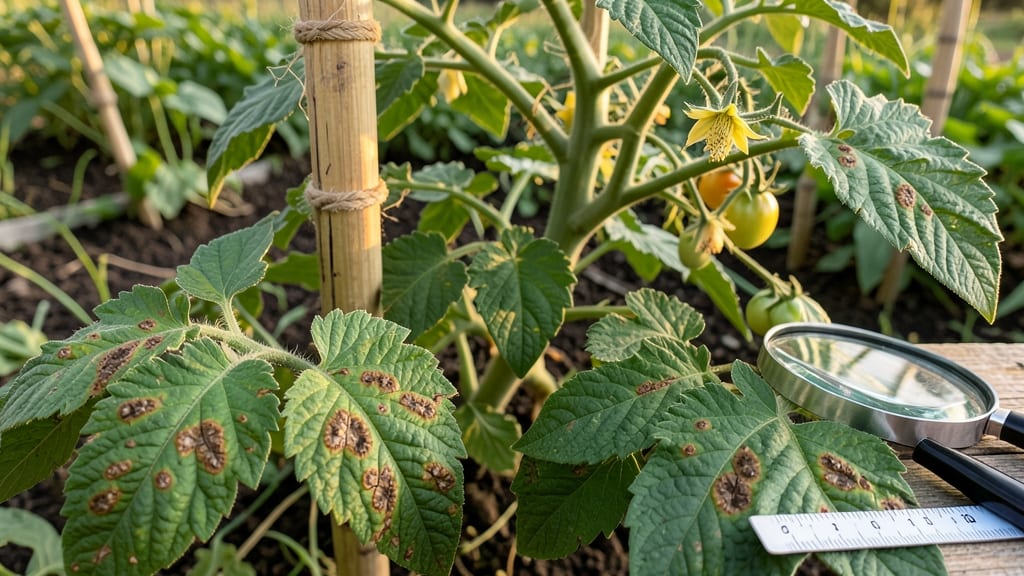
Brown spotted leaves on tomato plants mean your harvest is at risk—but not the end of the season. 🌱 I’ve seen this happen to even the most careful gardeners, and the key is catching it early before the spots turn into a full-blown crisis.
The first step is figuring out whether it’s fungal (like early blight or septoria), environmental stress, or something else entirely.
Most of the time, those brown spots show up because of too much moisture on the leaves—either from overhead watering or humidity that just won’t quit. Fungal diseases love this environment, and once they take hold, they spread fast.
The good news? You can stop it in its tracks with simple adjustments: water at the base, space plants properly, and remove infected leaves immediately. No fancy tools needed.
Once you’ve identified the problem, organic fixes like neem oil or copper fungicide can turn things around. I’ve used both, and with consistent care, my plants bounce back stronger than ever.
The goal isn’t just to save the current crop—it’s to protect next year’s tomatoes too. A little prevention now means fewer headaches later.
Whether you’re dealing with a small patch or a full-blown outbreak, the steps are the same: act fast, stay consistent, and don’t let the problem linger. Your tomatoes—and your sanity—will thank you. Let’s get those leaves healthy again.
Why it happens
When your tomato plants start showing brown spotted leaves, it’s often a sign that something’s gone awry in their environment or health. These spots rarely appear out of nowhere—they’re usually a response to stress, pathogens, or environmental factors.
Below, we break down the most common culprits, explained in simple terms so you can diagnose and act fast.
🌡️ Fungal Infections: The Silent Invaders
Fungi like Alternaria, Septoria, and Early Blight thrive in warm, humid conditions and are the #1 cause of brown spots on tomato leaves. Here’s how they work:
- Alternaria: Produces target-like spots with concentric rings (dark brown edges fading to lighter centers). It spreads via wind or splashing water, often starting on lower leaves.
- Septoria: Creates tiny dark spots with gray centers and often appears in wet seasons. It can survive on plant debris, so clearing old leaves helps.
- Early Blight: Starts as small brown spots with yellow halos and progresses upward as the season goes on. It loves high humidity and poor air circulation.
💡 Pro Tip: Check the underside of leaves for fuzzy mold (a sign of fungal spores). If you see it, act quickly—fungi spread faster than you think!
🐛 Pests: The Tiny Saboteurs
Some insects don’t just eat tomato leaves—they injure them in ways that leave behind brown, spotted damage. The worst offenders:
- Spider Mites: These tiny red or yellow pests suck plant sap, causing stippled, bronze-colored spots and webbing. They thrive in dry, hot conditions.
- Aphids: Clusters of green or black bugs leave behind sticky honeydew and brown, curled leaves as they feed.
- Tomato Hornworms: While they chew large holes, their frass (poop) and saliva can leave brown, irregular spots on leaves.
🔍 Key Clue: Look for visible bugs, webs, or chewed edges—if you spot these, pests are likely the culprit.
💧 Water-Related Stress: Too Much or Too Little
Tomatoes are sensitive to water fluctuations, and both overwatering and underwatering can cause brown spots. Here’s how:
- Overwatering: Leads to root rot, which starves leaves of nutrients. Spots may appear mushy or yellowed, especially near the edges.
- Underwatering: Causes crispy, brown edges (like "scorch") due to dehydration. Leaves may also curl upward.
- Poor Drainage: If soil stays soggy, oxygen deprivation triggers stress spots. Test your soil—it should drain within 1–2 hours.
🌡️ Quick Fix: Water deeply but infrequently (1–1.5 inches per week) and avoid wetting leaves to prevent fungal hitchhikers.
☀️ Environmental Factors: Sun, Wind, and More
Sometimes, the issue isn’t biological—it’s physical stress from the elements:
- Sunscald: Bright, dry conditions can cause bleached or brown patches, especially on leaves exposed to harsh afternoon sun.
- Windburn: Strong winds abrade leaf surfaces, leading to dry, brown spots (common in open gardens).
- Chemical Burn: Overuse of fertilizers (especially salt-based) or herbicides can leave yellow-brown spots with crispy edges.
🛡️ Prevention Tip: Use shade cloth for young plants, mulch to protect soil moisture, and always dilute fertilizers to half-strength.
🌱 Nutrient Deficiencies: What’s Missing?
Brown spots can also signal a lack of essential nutrients. Watch for these clues:
| Nutrient Deficiency | Leaf Symptoms | Quick Fix |
|---|---|---|
| Magnesium (Mg) | Interveinal chlorosis (yellow between veins) turning brown | Apply Epsom salt (1 tbsp/gal of water) every 2 weeks. |
| Potassium (K) | Brown, dead spots on leaf edges ("scorch") | Use banana peel tea or a potassium-rich fertilizer. |
| Nitrogen (N) | Overall yellowing (pale green) with brown patches | Add compost or blood meal to the soil. |
💡 Soil Test Tip: If spots persist, grab a soil sample from your local extension office—it’s the fastest way to know what’s missing!
Quick Fixes for Tomato Leaf Spots
Now that you’ve identified the culprit behind those unsightly brown spots on your tomato leaves, it’s time to take action! The good news? Most fixes are simple, organic, and effective—no harsh chemicals required.
Below, we’ve mapped out practical solutions tailored to the most common causes, plus prevention tips to keep your plants thriving.
Fix: Act fast—fungal infections spread like wildfire if left unchecked.
1. Remove and Destroy Infected Foliage 🔪
- How: Snip off only the spotted leaves (not the entire branch) with clean pruners.
Avoid shaking the plant, as spores can spread. - Pro Tip: 💡 Bag the clippings and toss them in the trash (not compost)—fungal spores can survive in compost piles.
2. Apply a Copper Fungicide Spray 🛡️
- How: Mix 1 tsp copper sulfate (or a commercial organic copper fungicide) with 1 gallon of water. Spray early in the morning on both leaf surfaces (top and bottom).
Repeat every 7–10 days until new growth appears. - Pro Tip: 🌡️ Best applied when leaves are dry—wet conditions help fungi thrive, so avoid spraying at night.
3. Improve Air Circulation 💨
- How: Prune crowded branches to allow 3–4 inches of space between plants. Stake tomatoes if they’re sprawling to keep leaves off the ground.
- Prevention: 🎯 Space plants 18–24 inches apart and avoid overhead watering (use drip irrigation instead).
4. Boost Plant Immunity with Baking Soda 🍞
- How: Mix 1 tbsp baking soda + 1 tsp dish soap + 1 gallon of water.
Spray leaves once a week as a preventive measure (works best for early signs of fungal spots). - Caution: ⚠️ Test on a small leaf first—some plants are sensitive to baking soda.
Fix: These tiny troublemakers weaken plants, making them susceptible to secondary infections.
1. Blast Off Pests with Water 💦
- How: Use a strong spray of water (from a hose or spray bottle) to dislodge mites and aphids.
Do this early in the morning so leaves dry quickly. - Pro Tip: 🔥 Add a drop of mild dish soap to the water for extra stickiness to trap pests.
2. Introduce Beneficial Insects 🐞
- How: Release ladybugs, lacewings, or predatory mites (available at garden centers). They devour spider mites and aphids naturally.
- Prevention: 🌿 Plant companion crops like marigolds, basil, or nasturtiums to repel pests.
3. Neem Oil Spray (The Ultimate Pest Repellent) 🌿
- How: Mix 1 tbsp neem oil + 1 tsp mild soap + 1 quart of water. Spray all leaf surfaces (especially undersides where pests hide).
Repeat every 5–7 days until pests are gone. - Pro Tip: ✨ Shake well before each use—neem oil separates over time.
Fix: If spots appear only on leaves exposed to direct sun, your tomatoes are getting too much heat.
1. Provide Shade Cloth or Partial Shade 🏖️
- How: Install 30–50% shade cloth (or a lightweight row cover) during peak afternoon sun (12 PM–4 PM).
- Alternative: 🌳 Plant near taller crops (like corn or sunflowers) to naturally shade tomato leaves.
2. Mulch to Regulate Soil Temperature 🌱
- How: Apply 2–3 inches of straw or wood chips around the base of the plant. This keeps roots cool and retains moisture.
- Prevention: 💧 Water deeply in the morning (1–1.5 inches per week) to prevent stress from dry soil.
3. Adjust Watering Habits 💦
- How: Water at the base (not overhead) and early in the day so leaves dry before evening. Wet leaves + hot sun = sunburn spots.
- Pro Tip: 🎯 Use drip irrigation or soaker hoses for consistent moisture without wetting foliage.
Fix: Too much salt, chlorine, or synthetic fertilizer can scorch leaves.
1. Flush the Soil with Water 🚰
- How: Water the plant generously for 10–15 minutes to leach out excess salts or chemicals. Repeat 2–3 times over a week.
- Prevention: 💡 Test soil pH (ideal for tomatoes: 6.0–6.8). Use organic compost instead of synthetic fertilizers.
2. Switch to Organic Fertilizers 🌱
- How: Replace chemical fertilizers with fish emulsion, worm castings, or compost tea. These provide nutrients without burning.
- Pro Tip: 📊 Feed lightly—tomatoes are heavy feeders but prefer small, frequent meals over heavy doses.
- Rotate crops annually to prevent soil-borne diseases.
- Sterilize tools (pruners, stakes) with rubbing alcohol between uses.
- Plant disease-resistant varieties (e.g., ‘Mountain Merit’ or ‘Celebrity’ tomatoes).
- Monitor leaves regularly—catch spots early before they spread!
Final Thought: 🌱 With these fixes, your tomato plants should bounce back in 1–2 weeks. Stay consistent with care, and you’ll be rewarded with juicy, blemish-free tomatoes all season long!
Frequently asked questions
How do I tell if my tomato spots are from fungus or pests?
Check the leaf undersides for fuzzy mold (fungus) or tiny webs/bugs (pests). Fungal spots often have concentric rings, while pest damage usually shows chewed edges or sticky residue. Early blight starts on lower leaves, while spider mites target upper leaves in dry weather.
Can I still harvest tomatoes if the leaves have brown spots?
Yes, but remove heavily infected leaves first. The fruit itself rarely gets infected through leaves—focus on saving the plant. Just wash tomatoes thoroughly before eating. If spots are severe, prioritize harvesting ripe tomatoes and prune the rest.
Why does my tomato plant get spots even when I water at the base?
High humidity from overhead watering residue or poor air circulation can still cause spots. Check for crowded plants (space them 18–24 inches apart) and ensure good airflow. Fungal spores spread easily in damp conditions—even if you water correctly.
Will copper spray harm my tomato plants if I use it too often?
No, when used correctly—1 tsp per gallon every 7–10 days—it's safe. The key is consistency, not overuse. Copper builds up in soil over time, so alternate with baking soda spray (1 tbsp baking soda + 1 tsp soap per gallon) to prevent buildup.
How do I prevent brown spots next growing season?
Start with clean soil by rotating crops and removing all plant debris. Use disease-resistant varieties like 'Mountain Merit' and mulch heavily. Space plants properly, water only at the base, and apply neem oil preventatively every 2 weeks.