
Fertilization
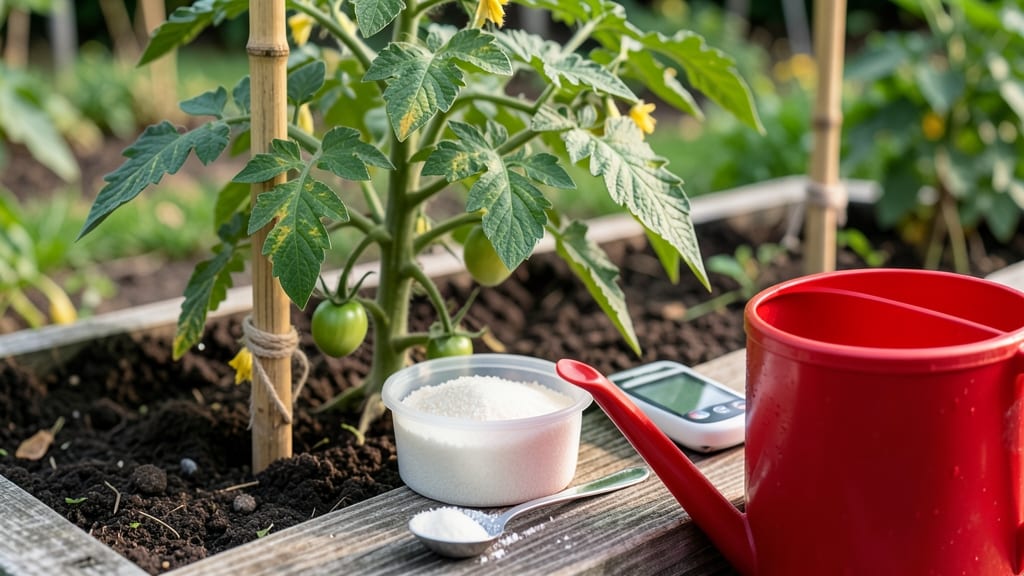
Your tomato plants are sending up yellow leaves instead of juicy red fruit, and you're desperate for a fix. 🌱 Epsom salt isn't magic, but it's the quickest way to address magnesium deficiency—the sneaky nutrient thief behind those pale lower leaves while the rest of the plant looks fine.
The problem starts when soil pH or poor drainage locks out magnesium, and your plants can't access what's already there. Most garden centers sell Epsom salt for $5 or less, and it works in 3-5 days when applied correctly. The real secret?
It's not just about sprinkling—it's about timing, concentration, and knowing when to stop. You'll see those yellow leaves turn vibrant green again within a week, and your plants will redirect energy to fruit production instead of struggling.
The fix is simple but requires attention to detail—no more guessing games with your tomato harvest. This works for container tomatoes, raised beds, and in-ground gardens alike. Let's get those plants back on track with a foolproof magnesium boost.
Why it happens
When your tomato plants start showing yellow leaves, it’s often a cry for help from the roots—or even the soil itself. Understanding the why behind this common issue is the first step to restoring your plants’ health.
Below, we break down the most frequent culprits, backed by science, so you can diagnose the problem like a pro.
🌱 Nutrient Deficiencies: The Hidden Starvation
Yellow leaves on tomato plants are frequently a sign of nutrient deficiency, with magnesium and nitrogen being the top offenders. Magnesium is crucial for chlorophyll production—the green pigment that helps plants convert sunlight into energy.
When magnesium levels drop (often due to overwatering, poor soil drainage, or high soil pH), older leaves turn yellow first, a condition called chlorosis. This is where Epsom salts (magnesium sulfate) can work wonders by replenishing this essential mineral.
But magnesium isn’t the only nutrient that can cause yellowing. Nitrogen deficiency also triggers yellowing, though it usually starts on older leaves and spreads upward. Unlike magnesium, nitrogen is mobile in plants, so symptoms appear where the plant is starving most.
A soil test can confirm if your tomatoes are lacking nitrogen, potassium, or other vital nutrients.
💧 Overwatering or Poor Drainage: Drowning the Roots
Tomatoes thrive in well-draining soil, and when roots sit in soggy conditions, they struggle to absorb nutrients—even if they’re present in the soil. Overwatering or compacted soil can lead to anaerobic conditions, where roots suffocate and nutrients like magnesium get leached away.
Yellowing leaves paired with wilting or brown stems are red flags for root stress.
Another issue? Salt buildup from poor-quality water or over-fertilization. Excess salts disrupt the plant’s ability to uptake magnesium and other nutrients, leading to yellowing. If your water has high sodium content, flush the soil with rainwater or distilled water to dilute the salts.
🌡️ Environmental Stressors: Heat, Cold, or Pests
Extreme temperatures—whether too hot or too cold—can shock tomato plants, causing leaves to yellow as the plant diverts energy to survival. Heat stress (above 90°F/32°C) disrupts nutrient uptake, while cold snaps can damage cell membranes, leading to yellowing and even leaf drop.
Pests like aphids, spider mites, or whiteflies also sap nutrients from leaves, causing yellowing or spotting. Check the undersides of leaves for tiny insects or sticky residue (honeydew). If pests are the culprit, a targeted organic insecticidal soap can restore balance.
🧪 Soil pH Imbalances: Locked-Out Nutrients
Tomatoes prefer a slightly acidic soil pH (6.0–6.8). If your soil is too alkaline (high pH), magnesium and other nutrients become unavailable to the plant, even if they’re in the soil. Yellowing leaves with interveinal chlorosis (yellowing between veins) are classic signs of magnesium deficiency due to high pH.
To test your soil’s pH, use a DIY pH kit or send a sample to a local extension office. If the pH is off, amend the soil with sulfur (to lower pH) or lime (to raise pH), but do this gradually to avoid shocking the plants.
🔄 Disease or Fungal Infections: Silent Leaf Invaders
Fungal diseases like early blight or septoria leaf spot can cause yellowing, browning, or spotting on leaves. These pathogens thrive in wet, humid conditions and weaken the plant’s ability to photosynthesize. Unlike nutrient deficiencies, fungal issues often come with dark spots, lesions, or powdery growth.
If disease is the cause, remove infected leaves immediately and apply a copper fungicide or baking soda spray (1 tbsp baking soda + 1 quart water + a drop of dish soap) to prevent spread. Improving airflow with proper spacing can also deter fungal outbreaks.
Quick fixes for yellowing tomato leaves
Yellow leaves on your tomato plants can be frustrating, but the good news is that many causes—especially magnesium deficiency—have simple, effective solutions. Whether you're dealing with nutrient shortages, pests, or environmental stress, these practical steps will help restore your plants to vibrant health.
Let’s dive into targeted fixes, complete with prevention tips to keep your tomatoes thriving all season.
If yellowing leaves (especially older ones) have a crinkled or cupped appearance, magnesium deficiency is likely the culprit. Epsom salts (magnesium sulfate) are a quick and affordable remedy.
🍳 Step-by-Step Epsom Salt Treatment
- Dilute the Solution Mix 1 tablespoon of Epsom salts into 1 gallon of water. Stir well until fully dissolved.
- Apply to Soil or Foliage - Soil Drench: Pour the solution directly into the soil around the base of the plant.
Water thoroughly to ensure the roots absorb the magnesium. - Foliage Spray (for faster results): Transfer the solution to a spray bottle and lightly mist the undersides of leaves (where nutrient absorption is highest). Avoid spraying in direct sunlight to prevent leaf burn.
- Frequency Matters
- Soil drench: Repeat every 2–4 weeks during the growing season.
- Foliage spray: Apply once a week for two weeks, then reduce to monthly maintenance.
- Boost Soil Health Long-Term After treating, amend your soil with compost or aged manure to improve magnesium retention. Magnesium is leached quickly in sandy or acidic soils, so regular checks are key.
Yellow leaves can also signal nitrogen, potassium, or calcium deficiencies. Here’s how to diagnose and fix them:
| Symptom | Likely Cause | Solution |
|---|---|---|
| Yellowing between veins (older leaves) | Nitrogen deficiency | Apply balanced fertilizer (10-10-10) or compost tea. Avoid overwatering. |
| Yellow edges on newer leaves | Potassium deficiency | Use potassium-rich fertilizer (like banana peel tea or 5-10-10). |
| Yellow with brown spots | Calcium deficiency | Sprinkle crushed eggshells or use calcium nitrate (1 tbsp/gallon). |
| Pale green/yellow leaves | Phosphorus deficiency | Add bone meal or a phosphate fertilizer (5-10-0 ratio). |
Sometimes, yellow leaves aren’t about nutrients—they’re about water, light, or pests. Here’s how to tackle common issues:
⏰ Overwatering or Poor Drainage
- Fix: Let the top 1–2 inches of soil dry out between waterings. Improve drainage by adding perlite or vermiculite to pots or raised beds.
- Prevent: Use self-watering containers or mulch to retain moisture without soggy roots.
🌡️ Heat or Cold Stress
- Fix: Move plants to a shadier spot during extreme heat or protect them with row covers if frost is forecasted.
- Prevent: Choose heat-tolerant varieties (like ‘Solar Fire’ or ‘Heatmaster’) and water deeply in the morning to cool roots.
🔪 Pest or Disease Damage
- Aphids/Spider Mites: Wipe leaves with soapy water (1 tsp mild soap per quart of water) or spray with neem oil.
- Fungal Issues (e.g., early blight): Remove affected leaves and apply copper fungicide or baking soda spray (1 tbsp baking soda + 1 quart water + a drop of soap).
- 🌱 Test Your Soil Use a DIY soil test kit (or send a sample to a local extension office) to check pH and nutrient levels. Tomatoes thrive in slightly acidic soil (6.0–6.8 pH).
- 🎯 Rotate Crops Avoid planting tomatoes in the same spot yearly to prevent magnesium depletion and disease buildup.
- 🥗 Feed Regularly Side-dress plants with compost or worm castings every 4–6 weeks to maintain nutrient levels.
- 🌡️ Monitor Weather Yellowing often spikes during heatwaves or heavy rains. Adjust watering and shading accordingly.
- ✨ Choose Resilient Varieties Some tomatoes (like ‘Celebrity’ or ‘Better Boy’) are more forgiving of nutrient fluctuations.
By addressing the root cause—whether it’s a magnesium shortage, pest attack, or environmental stress—your tomato plants will bounce back with lush, green leaves and bountiful harvests. Start with Epsom salts for deficiency issues, then fine-tune care based on your plant’s specific needs. Happy gardening! 🍅🌿
Frequently asked questions
Why do my tomato plant's lower leaves turn yellow first?
Older leaves yellow first because they're the plant's "nutrient bank." When magnesium is low, the plant sacrifices these leaves to keep younger growth alive. This is your first sign of chlorosis—a classic magnesium deficiency symptom that Epsom salts can quickly reverse. Think of it as the plant's way of saying "feed me!"
How often should I use Epsom salts on tomato plants?
For soil drenches, apply every 2-4 weeks during active growth. For foliar sprays, use once weekly for two weeks, then monthly. Overuse can actually harm plants by creating salt buildup—stick to the 1 tbsp/gallon ratio and monitor soil moisture. Too much watering washes away magnesium anyway!
Can I use Epsom salts if my tomato leaves are yellow with brown spots?
Probably not. Brown spots suggest fungal disease (like early blight) or calcium deficiency, not magnesium issues. For spots, remove infected leaves and use copper fungicide. For calcium, try crushed eggshells instead. Epsom salts won't help these problems—it's specifically for the yellowing-between-veins pattern of magnesium deficiency.
What's a natural alternative to Epsom salts for magnesium?
Try Epsom salt substitutes like:
- Dolomitic lime (for soil pH adjustment)
- Magnesium sulfate crystals (pure form)
- Wood ash (sprinkle lightly around plants)
- Banana peels (composted, for potassium + minor magnesium) These work slower but avoid chemical buildup. For quick fixes, Epsom salts remain the fastest option.
Will Epsom salts help my tomato plants if they're already flowering?
Yes! In fact, flowering plants often need magnesium more urgently. The 1 tbsp/gallon solution works for all growth stages. Just avoid spraying flowers directly—focus on soil drenches when plants are blooming. Magnesium helps with fruit development too, so this is actually a great time to treat. Just don't overdo it during fruit set.