
Plants
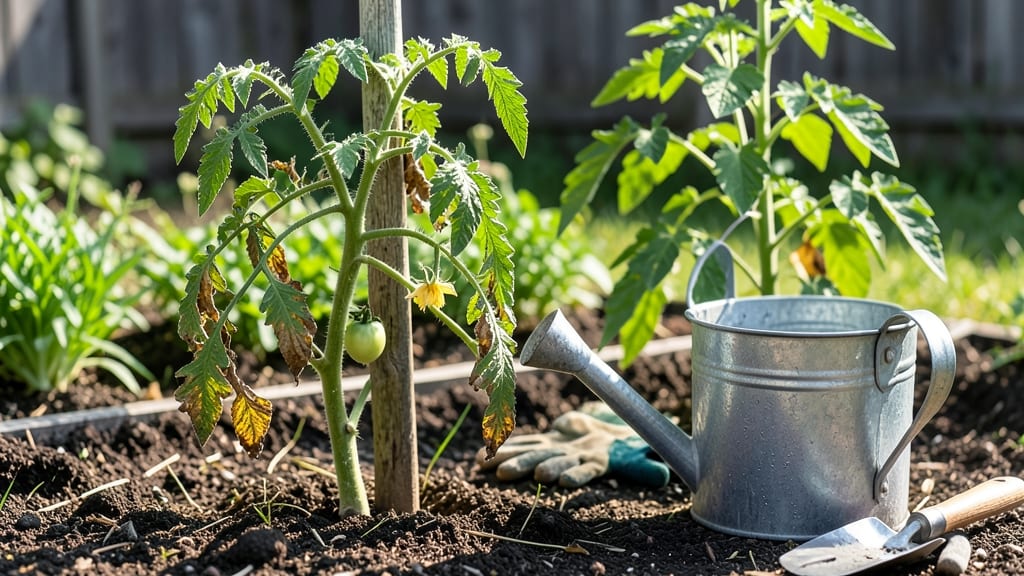
Can wilted tomato plants recover? Absolutely—they’re tougher than they look. 🌱 I’ve nursed back more sagging tomato bushes than I can count, and the secret isn’t some fancy technique, but understanding why they’re wilting in the first place. Overwatering, heat stress, or even a hidden pest can turn your lush plants into limp shadows—but with the right care, they bounce back stronger than ever.
The first step is identifying the cause: check the soil moisture with your finger (yes, really—no fancy tools needed). If it’s soggy, you’re overwatering; if it’s bone-dry, you’re underwatering. Prune any yellow or brown leaves to redirect energy, and mulch around the base to keep roots cool.
I’ve seen plants recover within 3-5 days just from adjusting water and giving them shade during peak heat.
With proper care, you’ll watch those plants perk up and start producing again—sometimes even better than before. The key is acting fast and giving them the right conditions.
Think of it like giving your plants a second chance, and trust me, they’ll thank you with a bumper crop of juicy tomatoes.
Works for backyard gardens, containers, or raised beds—just adapt the care to your setup. Let’s get those plants standing tall again!
Root Causes Of Wilting Tomatoes
When your tomato plants suddenly droop like they’ve lost a marathon, it’s rarely a sign of defeat—it’s usually a distress signal. Understanding why your plants wilt is the first step to reviving them.
Below, we break down the most common culprits, backed by science, so you can diagnose the problem and take action.
Tomatoes are thirsty but finicky—they need consistent moisture, but their roots can’t handle extremes. Wilting often stems from:
- Underwatering: When soil dries out, roots shrink, reducing water uptake. This triggers vascular cavitation, where air bubbles block water flow, causing leaves to wilt within hours. Test: Stick your finger 2 inches into the soil—if it’s dry, it’s time to water.
- Overwatering: Soggy soil cuts off oxygen to roots, leading to anaerobic stress. Roots suffocate, unable to absorb nutrients or water, causing wilting despite wet soil. Sign: Yellowing leaves + mushy stems = overwatering.
- Irregular watering: Tomatoes hate feast-or-famine cycles. Uneven moisture causes osmotic stress, where cells lose turgor pressure. Fix: Water deeply once a week (or more in heat) and mulch to retain moisture.
Tomatoes are sun-lovers, but too much heat (especially above 90°F) disrupts photosynthesis and causes:
- Midday wilting: High temperatures increase transpiration (water loss), outpacing root absorption. Leaves wilt temporarily but recover at night.
- Sun scorch: Direct afternoon sun burns leaves, creating necrotic spots that disrupt water transport. Spot it: Crispy, white or brown patches on upper leaves.
- Heat shock: Sudden temp spikes (e.g., after a cold snap) confuse plants, causing stomatal closure—pores seal to conserve water, leading to wilting.
Action: Provide afternoon shade (use shade cloth or a tarp) and mulch to keep roots cool. Pro tip: 🌡️ Water early morning to reduce evaporation.
Wilting can be a silent scream from damaged roots. Common offenders:
- Physical trauma: Rough handling, compacted soil, or even over-pruning can sever roots, reducing water uptake. Check: Gently tug the plant—if it slides out easily, roots may be damaged.
- Root rot: Fungal/bacterial infections (like Phytophthora) clog roots, preventing water absorption. Red flags: Black, mushy roots + foul smell.
- Pest attacks: Nematodes or cutworms chew roots, leaving plants starved for water. Inspect: Look for gnarled roots or tiny worms in soil.
Fix: For minor damage, trim dead roots and repot in fresh soil. For rot, disinfect tools and use fungicide.
Wilting isn’t always environmental—pathogens and pests can hijack your plants:
- Verticillium/Fusarium wilt: Fungal diseases block xylem vessels (plant plumbing), cutting off water flow. Tell-tale: Yellowing veins + wilting even when watered.
- Aphids/spider mites: These sap-suckers weaken plants by disrupting nutrient transport, causing leaves to wilt and curl. Spot them: Sticky residue (honeydew) on leaves.
- Blossom end rot: While it causes fruit issues, severe cases stress the whole plant, leading to wilting. Cause: Calcium deficiency (often from uneven watering).
Defense: Remove infected leaves, use neem oil for pests, and rotate crops to prevent soil-borne diseases.
Now that you know the why, the next step is reviving your tomatoes. But first—can your plant bounce back? Stay tuned.
Revive Your Tomato Plants Now
Wilted tomato plants can feel like a gardener’s nightmare, but with the right approach, many can bounce back stronger than ever! The key is identifying the root cause and taking swift, targeted action.
Below, we’ve mapped out practical solutions for the most common reasons your plants might be drooping—plus prevention tips to keep them thriving long-term.
Fix: Let the soil dry out slightly between waterings, and improve drainage if needed.
- Step 1: Check the soil moisture by sticking your finger 1–2 inches deep. If it’s soggy, hold off on watering.
- Step 2: Water deeply but less frequently—tomatoes prefer a consistent moisture level rather than constant dampness.
- Step 3: If your pots or garden bed lack drainage, amend the soil with perlite, sand, or compost to loosen it up.
- Step 4: For container-grown tomatoes, ensure pots have drainage holes and elevate them slightly to prevent water pooling.
Prevention Tip: 🌡️ Use a moisture meter or the "squeeze test" (gently press the soil—if it crumbles, it’s dry enough).
Fix: Shield your plants from extreme heat and provide afternoon shade.
- Step 1: Move potted tomatoes to a shadier spot (e.g., under a patio cover or tree) during peak sun hours (11 AM–3 PM).
- Step 2: Mulch around the base with straw or grass clippings to keep roots cool and retain moisture.
- Step 3: If leaves are scorched, trim damaged foliage to redirect energy to healthier growth.
- Step 4: Water early in the morning or late evening to reduce evaporation and leaf stress.
Prevention Tip: ✨ Choose heat-tolerant varieties like ‘Solar Fire’ or ‘Heatmaster’ for hot climates.
Fix: Isolate affected plants and treat the underlying issue.
- Step 1: Inspect leaves and stems for pests (aphids, spider mites, or whiteflies) or signs of disease (spots, mold, or wilting patterns).
- Step 2: For pests:
- Spray solution: Mix 1 tsp dish soap + 1 quart water, or use neem oil (follow package instructions).
- Physical removal: Blast off aphids with a strong water stream or handpick larger pests.
- Step 3: For fungal issues (like early blight):
- Prune infected leaves immediately and dispose of them in the trash (not compost).
- Apply a copper fungicide or baking soda spray (1 tbsp baking soda + 1 quart water + a few drops of soap).
- Step 4: Improve airflow by spacing plants 18–24 inches apart and pruning suckers regularly.
Prevention Tip: 🎯 Rotate crops yearly and avoid overhead watering to prevent fungal spores from splashing onto leaves.
Fix: Fertilize properly and check root health.
- Step 1: Test your soil’s pH (ideal for tomatoes: 6.0–6.8). Adjust with lime (to raise pH) or sulfur (to lower it) if needed.
- Step 2: Feed with a balanced fertilizer (10-10-10 or 5-10-10) every 2–3 weeks during the growing season. For a quick boost, use compost tea or fish emulsion.
- Step 3: If roots are circling in pots, repot into a larger container with fresh soil.
- Step 4: For magnesium deficiency (yellowing between leaf veins), apply Epsom salt (1 tbsp per gallon of water) every 2 weeks.
Prevention Tip: 💡 Side-dress with compost halfway through the season to provide slow-release nutrients.
Fix: Provide support and shelter.
- Step 1: Stake or cage tomato plants immediately if they’re not already supported. Use soft ties to avoid damaging stems.
- Step 2: Protect from wind by planting near a fence, trellis, or windbreak (e.g., a row of corn or sunflowers).
- Step 3: If leaves are torn, trim jagged edges to reduce water loss and prevent disease entry points.
Prevention Tip: 🌿 Choose determinate varieties (bush tomatoes) for windy areas—they’re sturdier than indeterminate types.
Pro Tip for All Causes: 🔥 Prune strategically! Remove only the most severely wilted leaves (never more than 1/3 of the plant at once). Focus on lower leaves to improve airflow and redirect energy to fruit production.
With these targeted fixes, your tomato plants should perk up within days—if not, it may be time to assess whether they’re beyond recovery (like in cases of severe blight or root rot). But don’t give up yet—many a "dead" tomato plant has staged a comeback with the right care! 🍅✨
Frequently asked questions
How quickly can wilted tomato plants recover?
With proper care, you’ll often see improvement within 24-48 hours if the cause is temporary (like heat stress or underwatering). For more serious issues (root damage, disease), recovery may take 3-7 days. The key is acting fast—once wilting lasts more than 48 hours, the risk of permanent damage increases.
What’s the difference between wilting from heat and wilting from overwatering?
Heat-wilted plants usually recover at night when temperatures drop, while overwatered plants stay wilted even when soil is soggy. Check the soil: if it’s dry 2 inches down, it’s thirst; if it’s wet, you’re drowning the roots. Another clue—heat stress often affects upper leaves first, while overwatering causes yellowing lower leaves.
Can I save a tomato plant that’s completely floppy and mushy?
If the stems feel soft or the plant pulls out easily with little resistance, the roots are likely rotted or severely damaged. In this case, it’s best to remove the plant to prevent spreading disease. However, if only some stems are mushy, you can trim the damaged parts and try saving the healthy growth with proper care.
Will pruning wilted leaves actually help my plant recover?
Pruning removes the plant’s energy drain, allowing it to focus on recovery. Cut back only the most severely wilted leaves (never more than 1/3 of the plant) and focus on lower leaves. This improves airflow, reduces disease risk, and helps the plant redirect energy to healthier growth and fruit production.
How do I know if my wilted tomato plant is beyond saving?
Look for these red flags: black, mushy stems (root rot), widespread yellowing with brown spots (fungal disease), or a foul smell from the roots. If the plant has lost most of its leaves and shows no signs of recovery after 5-7 days of proper care, it’s likely beyond saving. At that point, remove it to protect other plants.