
Plants
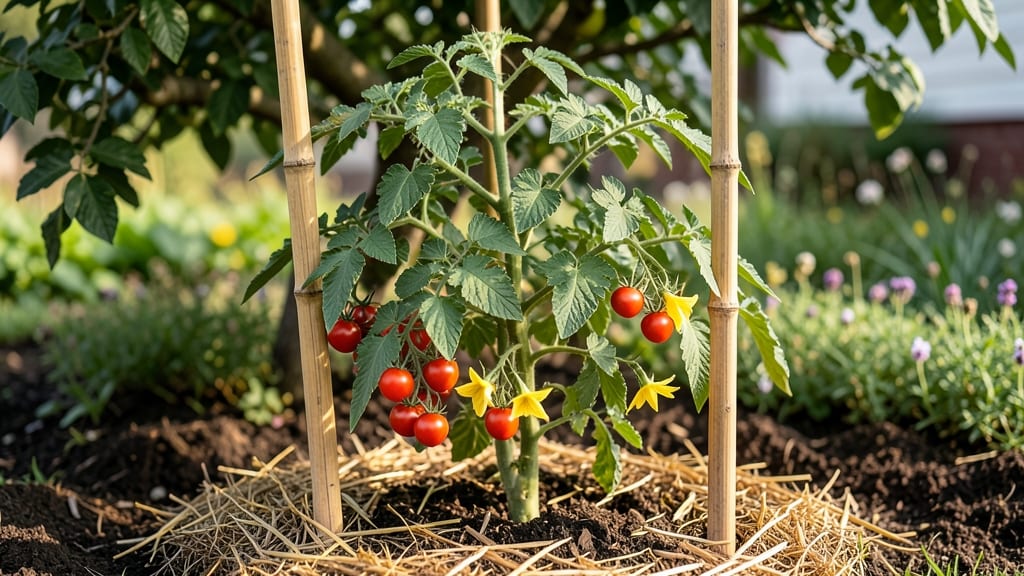
Your cherry tomato plant's height determines everything from your garden layout to how many pints of sun-ripened 🍅 you'll harvest this summer.
If you're dreaming of a bountiful cherry tomato harvest but worried about space, understanding plant height is your first step—some varieties grow just 12 inches tall, while others reach skyward at 8 feet!
The difference isn't just about aesthetics; it shapes how you stake, prune, and even where you plant.
Compact varieties like 'Tiny Tim' or 'Patio Princess' thrive in containers or small plots, while towering types such as 'Sweet Million' or 'Super Sweet 100' need vertical support to keep their fruit off the ground. Without the right setup, those 6-foot vines can become tangled messes—or worse, disease magnets.
In this guide, I’ll break down how height affects yield, which varieties suit your space, and the simple tricks to keep even the tallest plants producing like champions. No guesswork, just results.

Cherry tomato plant height guide: compact varieties for small spaces
If you're working with limited garden space but still want a bountiful cherry tomato harvest, choosing the right compact varieties is key. These dwarf and bush types thrive in containers, balconies, and tight garden beds while delivering sweet, flavorful fruit.
With heights ranging from 12 to 36 inches, they're perfect for urban gardeners, small yards, or even sunny windowsills.
Compact cherry tomatoes are typically determinate varieties, meaning they grow to a specific height and produce fruit all at once. This predictable growth makes them ideal for space-saving gardening.
Whether you're using 5-gallon pots, hanging baskets, or vertical planters, these varieties adapt beautifully to confined spaces while still delivering high yields of 1-inch sweet tomatoes.
Here’s what sets these varieties apart: their bushy growth habit and self-supporting structure mean you often don’t need cages or stakes. Plus, their shorter stature reduces disease risks from wind or rain compared to taller varieties. Let’s explore the best options and how to maximize their potential in small spaces.
🌱 Comparison Table: Compact Cherry Tomato Varieties
For ultra-small spaces, 'Micro Tom' is a standout choice, reaching just 12–16 inches and thriving in 5-gallon containers. Its tiny stature makes it perfect for indoor growing under grow lights or on sunny windowsills.
Meanwhile, 'Tumbling Tom' is ideal for hanging baskets, cascading over edges with its trailing growth habit while staying under 3 feet tall.
When selecting a compact variety, consider your container size and sunlight exposure. Most dwarf varieties need at least 6 hours of sunlight daily, but some, like 'Patio Princess', tolerate partial shade better than taller types.
Always choose well-draining potting mix to prevent root rot, especially in containers where drainage is limited.
To maximize yield in small spaces, prune suckers (the shoots that grow between the stem and branches) to redirect energy to fruit production. For bushy varieties, this isn’t always necessary, but a light trim can improve airflow and reduce disease risks.
Also, harvest regularly—picking ripe tomatoes encourages more production and prevents overcrowding on the plant.
One of the biggest advantages of compact cherry tomatoes is their early maturity. Many varieties, like 'Tiny Tim', produce fruit in as few as 50–55 days, giving you a quicker harvest than taller types.
This makes them ideal for short growing seasons or container gardening, where space and time are limited.
If you're growing in containers, use self-watering pots to maintain consistent moisture without overwatering. These varieties are sensitive to dry soil, which can cause blossom-end rot or cracked fruit.
A mulch layer around the base of the plant also helps retain moisture and regulate soil temperature, especially in hot climates.
For balcony or patio gardening, group 3–4 plants together in a large container to create a mini tomato garden. This mimics the spacing of in-ground plants and encourages pollination.
If you notice fewer tomatoes setting, gently shake the plants or use a small brush to transfer pollen from one flower to another.
Don’t let limited space stop you from growing cherry tomatoes—these compact varieties prove that big flavor doesn’t require big gardens. With the right variety, container, and care, you’ll enjoy a steady harvest of sweet, juicy tomatoes all season long. 🌿
Towering cherry tomato varieties: when height becomes an advantage
When I see indeterminate cherry tomato varieties reaching heights of 6-8 feet, I immediately think of vertical gardening magic. These towering plants aren't just space hogs—they're yield powerhouses that transform small gardens into high-output fruit factories.
The secret lies in their continuous growth habit, which produces fruit all season long when properly supported. Varieties like 'Sungold' or 'Sweet Million' prove that height equals harvest potential when you give them the right structure.
What makes these varieties special is their ability to produce fruit clusters along their entire length, creating a cascading effect that maximizes sunlight exposure. Unlike their bush counterparts, which set all their fruit at once, towering varieties spread production over weeks.
This means a steady supply of 1-inch sweet cherries instead of one overwhelming harvest. The trade-off? You'll need to invest in proper support systems to prevent sprawl and disease.
Why choose tall varieties? The benefits are clear: higher yields per plant, better air circulation (reducing fungal risks), and the ability to grow in small-footprint gardens. A single 8-foot plant can produce as much as three 3-foot bushes, making it ideal for urban balconies or patios. Plus, the vertical growth habit keeps fruit off the ground, reducing rot and pest issues. The key is starting with the right trellis or cage system from day one.
🌱 Top Towering Cherry Tomato Varieties & Their Care Needs
- 'Sungold' - 6-8 ft | Needs strong trellis; produces orange gold fruit clusters
- 'Sweet Million' - 5-7 ft | Prolific producer; thrives with pruning every 2 weeks
- 'Black Cherry' - 6-8 ft | Deep purple fruit; requires heavy-duty stakes
- 'Tiny Tim' (compact) - 2-3 ft | Dwarf version for containers; needs small cage
- 'Super Sweet 100' - 5-6 ft | Heat tolerant; benefits from vertical pruning
🪴 Essential Support Systems for Tall Varieties
- Trellis System - Best for heavy producers; use wooden lattice or metal grids
- Flower Pot Cage - Ideal for containers; choose 5-6 ft tall models
- Tomato Tower - Space-saving; provides 360° support for vines
- Individual Stakes - Budget option; use bamboo or metal (3-4 ft)
- String Trellis - DIY friendly; attach twine to fence posts
✂️ Pruning Strategies for Vertical Growth
- Succession Pruning - Remove suckers weekly to direct energy to fruit
- Topping Method - Pinch top growth at 5-6 ft to control height
- Leaf Management - Trim lower leaves for airflow and sunlight
- Fruit Thinning - Remove small green fruit to prevent overloading
- Winter Pruning - Cut back dead vines after first frost for spring regrowth
Support isn't just about keeping plants upright—it's about optimizing fruit quality. When you train vines vertically, you create better air circulation, which reduces the risk of blight and rot. I've found that plants on trellises produce larger, sweeter cherries because they receive even sunlight exposure.
Plus, vertical growth makes harvesting easier—no more bending over! For maximum success, install supports within 2 weeks of transplanting so the plant can grow into them naturally.
One common mistake I see is underestimating pruning needs. Tall varieties need regular sucker removal (those little shoots in leaf junctions) to maintain vigor. I prune mine every 10-14 days during peak growth, always using sterilized shears to prevent disease spread.
The goal is to create a balanced framework—not too leafy, not too bare—so the plant can focus energy on fruit production rather than excessive foliage.
For gardeners with limited space, towering varieties are a game-changer. A 6-foot plant in a 5-gallon container with proper support can outproduce three bush plants in the same footprint.
The secret is choosing container-friendly varieties like 'Tiny Tim' or 'Balcony Red', then giving them the same care as ground plants. With the right support system and pruning routine, you'll turn vertical space into a cherry tomato powerhouse. 🌿