
Vegetables
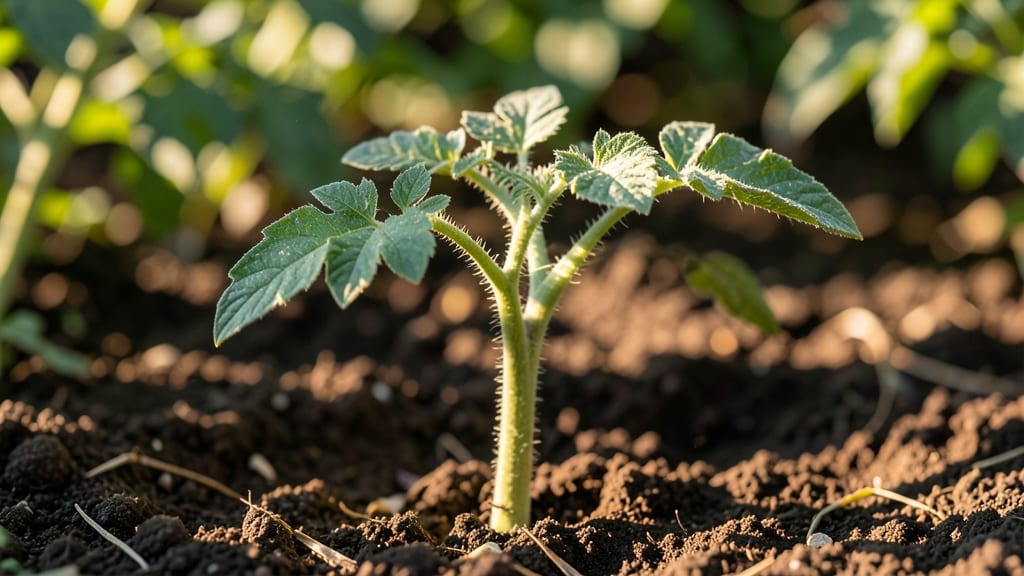
Nurturing young tomato seedlings is where every great harvest begins—and getting them right means heat-tolerant varieties and a frost-free planting timeline. 🌱 I’ve learned the hard way that rushing seedlings or ignoring their needs leads to leggy, weak plants that never recover.
The secret? Balancing light, warmth, and patience from the very first sprouts.
You’ll need just a few basics: a sunny windowsill or grow light, well-draining seed-starting mix, and containers with drainage. Most seedlings need 12-16 hours of light daily, and temperatures between 65-75°F keep them thriving.
Overwatering is the #1 killer—let the top inch of soil dry between waterings, and avoid cold drafts that stunt growth.
By the time you’re ready to transplant—after your last frost date—your seedlings should be stocky with 4-6 true leaves, not stretched or yellowing. Harden them off for a week before moving them outside, and always plant deeper than they grew in containers to encourage strong root systems.
This method works for cherry, beefsteak, or heirloom varieties, and the same principles apply whether you’re growing in flats or individual pots. The payoff? Plants that outperform store-bought and produce for months. Let’s get those seedlings off to the right start!
📚 In This Guide
- What you need
- Instructions
- Tips and common mistakes
- Wrapping up and next steps
What you need
- ● Seeds: Heat-tolerant tomato varieties (e.g., 'Solar Fire,' 'Heatmaster,' or 'Celebrity'). Quantity: 10–20 seeds (or more, if sharing).
- ● Seed-starting mix: Lightweight, sterile potting mix (avoid garden soil). Quantity: 1–2 gallons (or enough to fill seed trays).
- ● Seed trays or biodegradable pots: 2–4 inch cells (or small pots with drainage). Quantity: 1–2 trays (or 20–30 pots).
- ○ Grow lights or sunny windowsill: 12–16 hours of light daily (LED grow lights work best). Optional: A small fan for air circulation.
- ● Watering can or spray bottle: With a fine mist nozzle for gentle watering.
- ● Plant labels: To track varieties and planting dates.
- ○ Fertilizer: Balanced, water-soluble fertilizer (5-10-5 or 10-10-10). Optional: Fish emulsion or compost tea for organic options.
- ● Trowel or small shovel: For transplanting seedlings.
- ○ Heat mat (optional): To keep soil warm (70–80°F) for faster germination.
- ● Humidity dome or plastic wrap: To retain moisture during germination.
- ● Pruning shears: For pinching suckers later in growth.
- ● pH test kit: To ensure soil pH is between 6.0–6.8 (tomatoes love slightly acidic soil!).
Step-by-step guide to nurturing young tomato seedlings
Here's how to raise sturdy, heat-ready tomato seedlings that thrive from seed to transplant.
🌱 Step 1: Verify Germination and Assess Seedling Health
Wait until 50% of your seeds have sprouted—usually 7-14 days—before removing the humidity dome. Healthy seedlings will have plump cotyledons (the first two leaves) and a firm stem. If any seedlings look weak or yellowing, remove them immediately to prevent disease spread.
I always check for even moisture by gently pressing the soil surface—it should feel damp but not soggy. Uneven germination? You might have planted seeds too deeply or kept the soil too cold. For heat-tolerant varieties, maintain soil temps between 70-80°F during germination.
☀️ Step 2: Provide Optimal Light and Prevent Legginess
Move seedlings under grow lights 12-16 hours daily immediately after germination. A south-facing window rarely provides enough intensity, so I use a T5 fluorescent bulb positioned 2-3 inches above the plants. Raise it as they grow to maintain that distance.
Watch for leggy growth—stems stretching toward light with wide gaps between leaves. This means your light source is too far away. Strong seedlings should have dark green leaves and compact spacing (1-2 inches between nodes). If you notice this, lower the light immediately and keep soil slightly drier.
💧 Step 3: Water and Fertilize for Strong Root Development
Water seedlings at the soil level using a watering can with a narrow spout. Avoid overhead watering, which can spread disease and cause damping-off. The top inch of soil should feel dry to touch before watering again—overwatering suffocates roots and invites fungal issues.
When seedlings develop their first true leaves (the second set after cotyledons), fertilize with a balanced liquid fertilizer diluted to half strength. I use a 10-10-10 mix every 10-14 days to encourage strong stem development. Heat-tolerant varieties need this extra boost to handle future temperature swings.
🪴 Step 4: Harden Off for Outdoor Transition
Begin hardening off 2 weeks before your last frost date. Start by placing seedlings outside in a shaded, sheltered spot for 1-2 hours the first day. Gradually increase exposure by 1 hour daily over 7-10 days, moving them to more sunlight and wind each time.
Watch for wilting or leaf scorch—signs they're not ready. By day 7, seedlings should tolerate a full day outside without stress. For heat-tolerant varieties, this process builds resilience against temperature fluctuations. Plant outdoors on an overcast afternoon to reduce transplant shock.
✂️ Step 5: Transplant and Support for Heat Tolerance
Dig holes twice as wide as the root ball and space seedlings 18-24 inches apart (check your variety's spacing needs). Bury stems 1/3 deeper than in containers to encourage strong root development. I always add a handful of compost to each hole for extra nutrients.
Install cages or stakes immediately—tomatoes grow fast, and supporting them early prevents stem damage. Mulch with 2-3 inches of straw to retain moisture and regulate soil temperature. Heat-tolerant varieties benefit from this insulation during hot days.
Tips & tricks for perfect young tomato seedlings
Here's what nobody tells you about raising seedlings that'll actually thrive in your garden.
Soil Temperature Secret: That 70-80°F range during germination is non-negotiable for heat-tolerant varieties. I use a seedling heat mat set to 75°F and monitor with a soil thermometer—cold soil slows germination and weakens stems. If your seeds take longer than 14 days, check your soil temperature first. Uneven heat can cause patchy sprouting, so keep that mat running consistently.
Lighting Game-Changer: The 12-16 hours of grow light isn't just about duration—it's about intensity. I measure light strength with a light meter and aim for 4,000-6,000 lux. If your seedlings stretch toward the light with wide gaps between leaves, you're either too far away or using insufficient bulbs. T5 fluorescents are ideal, but LED grow lights work too if they're the right spectrum. Move the light closer if you notice this "reaching" behavior.
Fertilizer Timing: Wait for those first true leaves before fertilizing—applying nutrients too early burns tender roots. I mix my 10-10-10 fertilizer with water in a spray bottle for even distribution, avoiding the soil surface. Over-fertilizing at this stage causes salt buildup that stunts growth. For heat-tolerant varieties, I add a pinch of Epsom salt (1 tablespoon per gallon) to boost magnesium levels—they'll thank you with stronger stems for future heat waves.
Harden Off Like a Pro: The gradual 1-hour daily increases might seem tedious, but this is where seedlings develop resilience. I start with just 30 minutes on day one if temperatures are mild, then increase by 30 minutes every other day. Watch for leaf curl or wilting—these are your cues to slow down. The goal is to mimic outdoor conditions without shocking the plants, especially for heat-tolerant varieties that need to acclimate to temperature swings.
Pro Tips for Young Tomato Seedlings
- Here's what nobody tells you about raising seedlings that'll actually thrive in your garden.
- Soil Temperature Secret: That 70-80°F range during germination is non-negotiable for heat-tolerant varieties.
- Lighting Game-Changer: The 12-16 hours of grow light isn't just about duration—it's about intensity.
Frequently asked questions
Got questions about nurturing your young tomato seedlings? You’re not alone! Here are some of the most common concerns—and straightforward answers—to help you grow a thriving harvest.
When should I transplant my young tomato seedlings outdoors?
Wait until after the last frost date in your area (check your local USDA zone) and when nighttime temps stay above 50°F (10°C). Seedlings need time to harden off first—acclimate them outdoors for 7–10 days, gradually increasing exposure. Plant in well-drained soil when they’re 6–8 inches tall with at least 2–3 sets of true leaves.
Can I save my seedlings if frost is forecasted?
Yes! Cover them with frost cloth, row covers, or even a cardboard box at night. If temps drop below 28°F (-2°C), consider moving potted seedlings indoors near a sunny window. Avoid transplanting too early—frost can stunt growth or kill delicate seedlings. Heat-loving tomatoes hate cold!
Why are my young tomato seedlings leggy or weak?
Leggy seedlings usually mean they’re stretched for sunlight. Fix it by:
- Moving them closer to a bright light source (south-facing window or grow lights).
- Thinning crowded seedlings to 1–2 inches apart for better airflow.
- Using a balanced fertilizer (5-5-5 or 10-10-10) at half-strength to boost growth.
If they’re already planted, bury stems deeper (up to the first leaves) to encourage root growth.
Can I eat tomatoes from seedlings, or do they need to mature first?
While cherry tomatoes can produce tiny edible fruit in 50–60 days, most seedlings take 60–85 days to bear full-sized tomatoes. Focus on nurturing strong plants first—patience pays off! Young leaves aren’t edible (they can be bitter), but once flowers appear, you’re on track for a harvest.
What’s a good alternative if my seedlings fail?
No stress! Try:
- Transplant store-bought seedlings (choose heat-tolerant varieties like ‘Solar Fire’ or ‘Heatmaster’).
- Start a new batch indoors (6–8 weeks before your last frost date).
- Grow fast-maturing varieties like ‘Early Girl’ (55 days) or ‘Patio Princess’ (for containers).
Tomatoes are resilient—give them another chance!
Wrapping up and next steps
Growing young tomato seedlings can be incredibly rewarding—especially when you choose the right heat-tolerant varieties and time your planting just right! With the proper care, your seedlings will thrive, and soon you’ll be harvesting juicy, homegrown tomatoes.
Now that you’re armed with the perfect frost-free planting calendar and essential tips, it’s time to roll up your sleeves and get planting. 🌱
Start by selecting a sunny spot, preparing the soil, and giving your seedlings the love they deserve. Before you know it, you’ll be enjoying the fruits of your labor—literally! Happy gardening! 🍅✨