
Planting
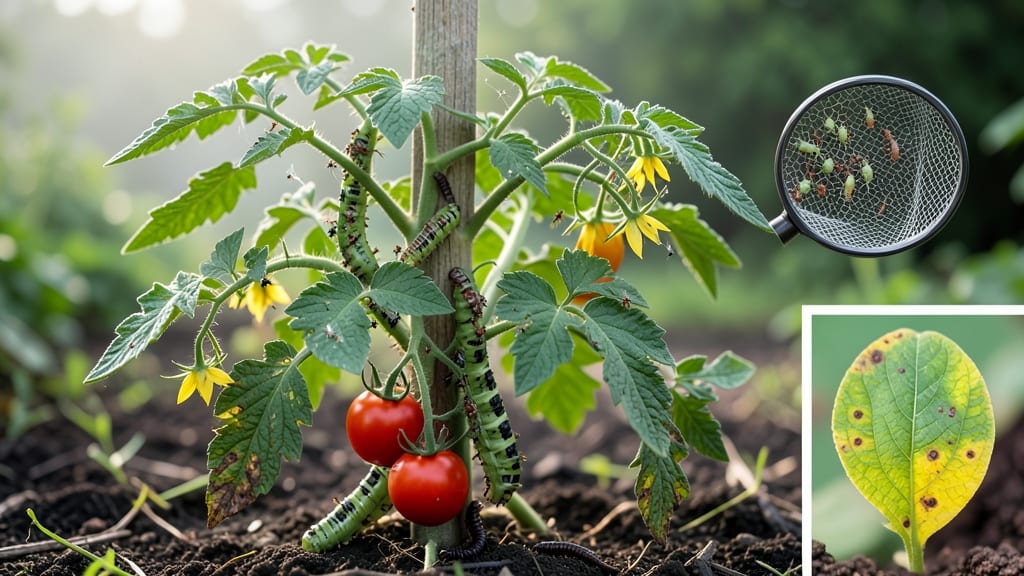
The common tomato plant pests—aphids, hornworms, and whiteflies—can strip a plant bare in days if you don’t act fast. 🌱 I’ve lost entire harvests to these sneaky invaders, but I’ve also learned which natural deterrents actually stop them without harsh chemicals.
The key is catching problems early and using the right mix of prevention and quick fixes.
Most tomato pests target stressed plants, so healthy soil, proper watering, and good air circulation cut down on attacks by half. My go-to first line of defense? A neem oil spray for soft-bodied insects and handpicking hornworms (yes, it’s gross but it works).
Companion plants like basil and marigolds also send pests running—just plant them nearby for extra protection.
By the time you finish this, you’ll recognize early warning signs (sticky leaves, chewed foliage, or tiny white flies) and know exactly how to respond. No more helplessly watching your plants get eaten alive—just confident, foolproof solutions that keep your tomatoes thriving until harvest.
Works for backyard gardens, containers, and even greenhouse setups. Let’s get those plants protected before the pests arrive!
Root Causes Of Tomato Troubles
Tomato plants are a gardener’s pride—but pests see them as an all-you-can-eat buffet. Understanding why these critters invade helps you outsmart them before they strike. Below, we break down the real triggers behind tomato plant pest outbreaks, from environmental factors to plant weaknesses.
A stressed tomato plant is like an open invitation for pests. When your plants are weak, they can’t fight off invaders effectively. Here’s how it happens:
- Nutrient Deficiencies – Lack of key nutrients (like nitrogen, phosphorus, or potassium) stunts growth, making plants more vulnerable to aphids, whiteflies, and spider mites. Example: Yellowing leaves (chlorosis) signal nitrogen deficiency, which attracts sap-sucking pests.
- Overwatering or Underwatering – Both extremes create ideal conditions for pests:
- Overwatering leads to soft, rot-prone stems—perfect for fungus gnats and slugs.
- Underwatering stresses plants, making them produce sticky honeydew (a magnet for ants and sooty mold).
- Disease Pressure – Fungal or bacterial infections (like early blight or bacterial spot) weaken plants, making them easier targets for secondary pests like hornworms or stink bugs.
💡 Pro Tip: Rotate crops yearly and use organic compost to boost plant resilience. Healthy soil = healthier plants = fewer pest problems!
Pests thrive in chaos. When tomato plants are packed too tightly:
- Reduced Airflow – Humid, stagnant conditions encourage fungal pests (like powdery mildew) and soft-bodied insects (aphids, whiteflies) that hide in dense foliage.
- Harboring Hides – Overgrown plants provide shelter for:
- Cutworms (they burrow into stems at night).
- Earwigs (they nest in moist, shaded areas).
- Slugs & Snails (they prefer dark, damp corners).
- Weed Competition – Weeds attract beneficial pest predators (like ladybugs), but they also host harmful insects (like flea beetles) that jump to your tomatoes.
✨ Action Step: Space plants 18–24 inches apart and prune regularly to improve airflow. Mulch with straw to deter soil-dwelling pests.
Pests don’t strike randomly—they follow the weather and growing season. Here’s how:
| Pest | Peak Season | Why It Happens |
|---|---|---|
| Aphids | Spring & Fall | Mild temps and new growth spur rapid reproduction. |
| Hornworms | Summer (June–August) | Warm nights and abundant foliage provide ideal feeding conditions. |
| Whiteflies | Late Summer | Heat and drought stress plants, making them release sticky honeydew. |
| Flea Beetles | Early Spring | Cool, dry weather encourages them to chew young seedlings. |
| Slugs & Snails | Rainy Seasons | Moist soil and overnight dew create perfect hiding spots. |
🌡️ Climate Hack: Use row covers in early spring to block flea beetles and monitor humidity—pests love 70%+ moisture.
Even well-meaning gardening habits can attract pests:
- Over-Fertilizing with Synthetics – Chemical fertilizers disrupt soil microbes, which weakens plants and attracts pests like spider mites.
- Ignoring Pruning – Dead or diseased leaves become pest hotspots. Example: Tomato hornworms love rotting foliage.
- Not Rotating Crops – Planting tomatoes in the same spot yearly leaves pest eggs and larvae in the soil (e.g., Colorado potato beetles).
- Bringing Infested Plants Home – Purchasing infected seedlings can introduce pests like whiteflies or thrips before you even notice.
🔥 Quick Fix: Sterilize tools between plants, avoid nitrogen-heavy fertilizers, and practice 3-year crop rotation.
Tomato plants rely on natural enemies to keep pests in check. When these helpers disappear:
- Pesticide Overuse – Harsh chemicals kill ladybugs, lacewings, and parasitic wasps that eat aphids and caterpillars.
- Monoculture Gardening – Planting only tomatoes removes the diversity that supports predator populations.
- Lack of Pollinator-Friendly Plants – Flowers like marigolds and basil attract predatory insects (e.g., hoverflies) that hunt pests.
🎯 Solution: Plant companion flowers (nasturtiums, alyssum) and avoid broad-spectrum sprays. Let nature do the pest control!
Quick Fixes for Tomato Plant Troubles
When pests invade your tomato garden, acting fast is key to saving your harvest. Below are practical, natural solutions tailored to each common culprit—plus prevention tips to keep your plants thriving. No harsh chemicals needed!
Cause: These striped caterpillars munch leaves and fruit overnight. Fix:
- 🔥 Handpick them early (they’re easy to spot!). Drop them in soapy water.
- 🍳 Introduce natural predators like parasitic wasps or ladybugs—they love hornworm eggs.
- 👨🍳 Spray with neem oil (1 tsp per quart of water) to disrupt their feeding.
💡 Prevention Tip: Plant basil or dill nearby—hornworms avoid these scents!
Cause: These tiny sap-suckers cluster on stems, leaving sticky residue (honeydew). Fix:
- 🔪 Blast them off with a strong stream of water from a hose.
- 🥘 Make a soapy spray (1 tbsp mild soap + 1 quart water) and spray undersides of leaves.
- 🌡️ Encourage ladybugs—they eat aphids like candy!
✨ Pro Tip: Marigolds repel aphids naturally—plant them as borders.
Cause: These fluttering pests weaken plants by draining nutrients. Fix:
- 🎯 Yellow sticky traps catch them in swarms—hang near plants.
- 🔥 Yellow dish traps (fill with water + a drop of dish soap) lure and drown them.
- 🌿 Spray with garlic spray (blend 2 cloves garlic + 1 quart water, strain, and spray).
💡 Prevention Tip: Avoid over-fertilizing with nitrogen—whiteflies love lush, soft growth.
Cause: These microscopic pests suck juices, causing yellowing leaves. Fix:
- 🔥 Spray with water daily (they hate humidity—mimic a light rain).
- 🍳 Neem oil spray (1 tbsp per gallon of water) smothers them.
- 👨🍳 Release predatory mites (like Phytoseiulus persimilis) for long-term control.
🎯 Quick Test: Hold a white sheet under leaves—shake the plant. If tiny red dots (mites) fly up, act fast!
Cause: These looped caterpillars cut stems at soil level, toppling seedlings. Fix:
- 🔪 Collar young plants with cardboard or aluminum foil (3 inches high) to block them.
- 🥘 Beer traps work! Bury a cup filled with beer near plants—they’ll crawl in and drown.
- 🌿 Handpick at dusk when they’re most active.
💡 Prevention Tip: Diatomaceous earth (food-grade) around the base deters them.
Cause: These speckled beetles chew tiny holes in leaves, causing stress. Fix:
- 🔥 Cover seedlings with floating row covers until plants are established.
- 🍳 Row covers + yellow sticky traps catch adults before they lay eggs.
- 🌿 Plant trap crops like radishes or mustard greens to lure them away.
✨ Pro Tip: Interplant with onions or garlic—flea beetles avoid the scent!
🌱 General Prevention Checklist: ✅ Rotate crops yearly to disrupt pest life cycles. ✅ Keep garden clean—remove debris where pests hide. ✅ Water in the morning—wet foliage discourages many pests. ✅ Inspect plants weekly—early action = fewer losses!
With these natural, effective fixes, your tomato plants will bounce back—and you’ll enjoy a bountiful, pest-free harvest! 🍅🌿
Frequently asked questions about tomato plant pests
What are the first signs my tomato plants have pests?
Watch for sticky residue (honeydew) on leaves, chewed foliage, or tiny white specks moving when you shake plants. Aphids and whiteflies leave sticky trails, while hornworms create large, irregular holes in leaves. Check undersides of leaves first—most pests hide there!
How do I know if my tomato damage is from pests or disease?
Pest damage is usually irregular (chewed edges, holes) while diseases create uniform patterns (spots, powdery coatings). Look for moving insects or eggs (tiny green ovals) on leaves. Diseases often appear as discolored patches without visible critters.
Can I use neem oil on tomato plants with fruit?
Yes, but apply it early in the morning when flowers aren't open to protect pollinators. Use a 1% solution (1 tsp per quart of water) and avoid spraying directly on blossoms. Neem oil is safe for edible plants when used correctly—just wait 24 hours before harvesting sprayed fruit.
What's the fastest way to get rid of hornworms?
Handpick them at dusk when they're most active—drop them in soapy water. For immediate control, spray with neem oil (1 tsp per quart) or introduce parasitic wasps (they naturally target hornworm eggs). Check plants daily during summer months when they're most active.
Will companion planting really keep pests away?
Plant basil (repels thrips), marigolds (deter aphids), or nasturtiums (attract pest-eating predators). The key is diversity—pests struggle to find their preferred host when surrounded by unfamiliar plants. Place companions within 2 feet of tomatoes for best results.