
Pests
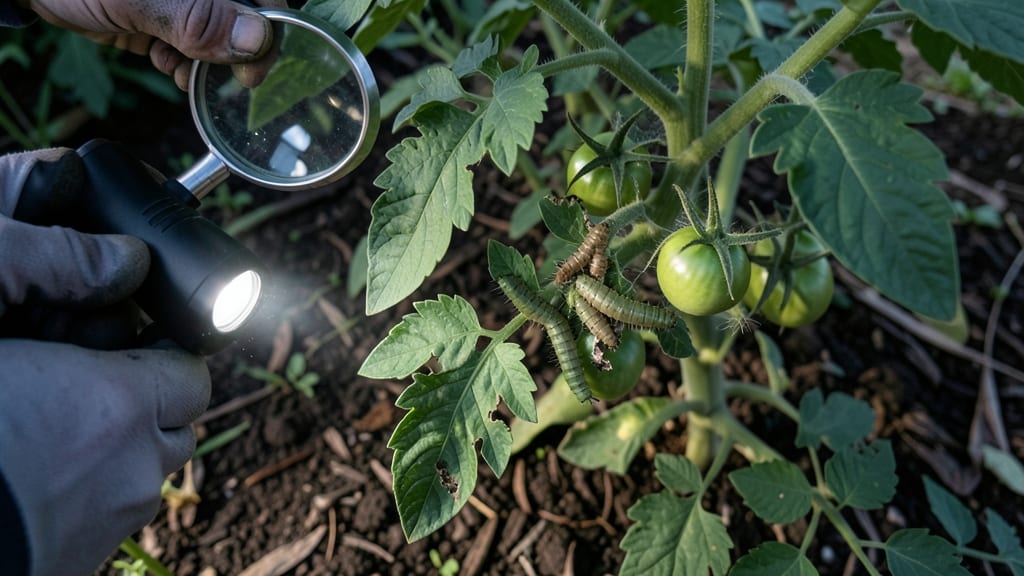
Your tomato plants are under siege from the cutworms on tomato plants—those sneaky pests that chew seedlings to the ground before they even get a chance to fruit. 🌱 I’ve lost entire seedlings overnight to these nocturnal bandits, and I’ll never forget the frustration of finding my carefully nurtured plants severed at the base—like someone cut them down with scissors.
The good news? Cutworms aren’t invincible. These pale, inchworm-like caterpillars hide in the soil during the day but emerge at night to munch on stems. The damage is unmistakable: clean cuts at the base of plants, leaving them toppled over like felled trees.
But with the right tricks—like collars around stems or handpicking at dusk—you can stop them dead in their tracks. By morning, you’ll see your plants standing tall again, and within a few days, new growth will be pushing through.
The secret is acting fast and combining physical barriers with natural predators like parasitic wasps. No more waking up to a garden full of stumps. This works for seedlings, young plants, and even established tomatoes.
Let’s get those plants back on their feet before the next full moon—when cutworms strike hardest.
The Hidden Triggers Behind Tomato Devourers
Cutworms aren’t just a random nuisance—they’re drawn to your tomato plants for very specific reasons. Understanding why these sneaky caterpillars target your garden is the first step to stopping them in their tracks. Let’s break down the science behind their behavior, so you can outsmart them before they strike.
Cutworms are most active under the cover of darkness, which is why they’re often called "nighttime garden bandits." Their behavior is driven by a few key factors:
- Moisture & Cool Temperatures: They thrive in damp, cool conditions (ideal for tomato plants!). After evening rains or watering, the soil stays soft, making it easier for them to burrow and cut stems at ground level. Pro tip: If your garden stays soggy at night, you’re basically rolling out a welcome mat for them. 🌧️
- Lack of Natural Predators: Birds, spiders, and parasitic wasps usually keep cutworm populations in check. But if your garden lacks biodiversity (or you’ve overused pesticides), these predators disappear, leaving cutworms free to feast. Pro tip: Encourage beneficial bugs with native plants—they’re nature’s pest control! 🕷️
- Tomato Plant Vulnerability: Young tomato seedlings are especially tempting because their stems are tender and close to the ground. Cutworms can’t resist the easy meal, especially if the plant is stressed from overcrowding, poor soil, or drought. Pro tip: Keep seedlings sturdy with collars or mulch to make them less appealing. 🌱
Your gardening practices might be accidentally creating a cutworm paradise. Here’s how:
- Overwatered or Compacted Soil: Cutworms love soil that’s easy to navigate. Heavy clay or overly moist ground (from poor drainage or excessive watering) gives them the perfect environment to hide and hunt. Pro tip: Test your soil’s drainage—amend with compost or sand if it stays waterlogged. 💧
- Weeds & Debris as Hideouts: Cutworms pupate in leaf litter, grass clippings, or weed patches nearby. If your garden borders a wild area, they’ve got a highway to your tomatoes. Pro tip: Keep mulch 6+ inches away from stems to deny them shelter. 🪴
- Monoculture Planting: Gardens with only tomatoes (or other nightshades like peppers) are like all-you-can-eat buffets for cutworms. Diversity confuses them and attracts their predators. Pro tip: Interplant with basil, marigolds, or onions—they repel cutworms naturally. 🌼
Cutworms don’t just appear out of nowhere—they follow a predictable life cycle that gardeners often overlook. Here’s how their biology works against you:
| Stage | Why It’s Dangerous | Your Weakness |
|---|---|---|
| 🥚 Egg Stage | Females lay eggs in batches on weeds, mulch, or soil near host plants (like tomatoes). | You might miss the tiny eggs (1mm!) until larvae hatch and strike. |
| 🐛 Larval Stage (Cutworm) | They drop from plants to hide in soil during the day, then climb back up to feed at night. | You can’t see them until damage appears—by then, it’s too late for some plants. |
| 🦋 Pupal Stage | They pupate in the soil, emerging as moths to restart the cycle. | If you don’t disrupt pupation, next year’s infestation is already in the ground. |
Pro tip: Break the cycle by removing egg masses (look for white clusters on leaves) and disturbing soil where pupae hide—tilling or solarizing can flush them out. ☀️🔥
Now that you know why cutworms target your tomatoes, you’re ready to turn the tables. The next step? Organic removal tricks that actually work—without chemicals! 🚫🧪
Organic Ways to Stop Cutworms Fast
Now that you know what’s munching on your tomato plants, let’s tackle the problem head-on with effective, chemical-free solutions. Cutworms thrive in darkness and moisture, so we’ll use their weaknesses against them—no harsh pesticides required.
Below, we’ve mapped common causes to practical fixes, plus prevention tips to keep your garden safe long-term.
Cause: Cutworms are nocturnal, hiding in soil or under mulch during the day. Fix:
- 🌙 Wait until dusk or dawn when they’re most active. Use a flashlight to spot them—look for grayish-brown caterpillars (or their telltale "cut" stems).
- 👨🍳 Gently lift plants (or use a trowel) to expose hiding spots. Drop them into a bucket of soapy water (1 tbsp dish soap per gallon) to drown them instantly.
- 🗑️ For large infestations, relocate them far from your garden (they won’t wander back).
Pro Tip: 💡 Check weekly—cutworms multiply fast, and a few can turn into dozens overnight!
Cause: Young seedlings are especially vulnerable because cutworms climb up stems to feed. Fix:
- 🛡️ Collar Method: Wrap the base of seedlings (or young plants) with cardboard, aluminum foil, or plastic collars (cut from a 2-liter bottle). Bury the bottom 1–2 inches into soil so worms can’t chew through.
- 🌿 Mulch Swap: Avoid thick organic mulch near stems. Instead, use gravel, crushed eggshells, or sharp sand—cutworms dislike rough textures and avoid crawling over them.
- 🍅 For established plants, create a mini trench around the stem and fill it with diatomaceous earth (food-grade only). Reapply after rain.
Pro Tip: ✨ Combine methods for best results—barriers + night patrols = fewer surprises!
Cause: Cutworms are attracted to moist, dark areas and light sources at night. Fix:
- 🔦 Light Trap: Place a white sheet or board near plants and shine a flashlight on it at dusk. Cutworms will crawl toward the light—scoop them up with a spoon or vacuum.
- ☀️ Solar-Powered Heat: On warm, sunny days, cutworms burrow deeper to escape heat. Loosen soil around plants to expose them to sunlight, making them less active and easier to spot.
Pro Tip: 🎯 Time it right—traps work best on mild evenings (not freezing or scorching temps).
Cause: Cutworms have few natural enemies in most gardens. Fix:
- 🐸 Attract Frogs & Toads: These amphibians love eating cutworms. Create a shallow water dish (with rocks for safe entry) near your garden.
- 🐞 Encourage Ground Beetles: These beneficial bugs hunt cutworms at night. Avoid pesticides and plant native flowers (like dill or marigolds) to attract them.
- 🐦 Bird-Friendly Garden: Birds like robins and starlings snack on cutworms. Add bird feeders or baths to invite them.
Pro Tip: 💪 Plant companion crops like basil, onions, or garlic—their strong scents repel cutworms naturally!
Cause: Cutworms thrive in untended, moist soil with plenty of hiding spots. Fix:
- 🌿 Rotate Crops: Don’t plant tomatoes (or other nightshades) in the same spot yearly—cutworms linger in old plant debris.
- 🌞 Improve Drainage: Cutworms love wet soil. Ensure your garden has good airflow and raised beds if needed.
- 🧹 Clean Up Debris: Remove old plant matter, weeds, and mulch from around tomato plants after harvest—cutworms hide in these spots.
- 🌅 Plant Early: Fast-growing varieties (like cherry tomatoes) give cutworms less time to establish before fruiting.
Pro Tip: 🔥 Interplant with radishes—their deep roots disturb cutworm hiding spots!
Final Reminder: Consistency is key! Check your plants every 2–3 days, especially after rain. With these methods, you’ll minimize damage and enjoy a bountiful, cutworm-free tomato harvest—without chemicals! 🍅🌱
Frequently asked questions
How do I know if cutworms are attacking my tomato plants?
Look for clean, jagged cuts at the base of stems—like someone snipped them with scissors. You’ll also spot grayish-brown caterpillars (1-2 inches long) hiding in soil or under mulch during the day. Check for toppled seedlings or young plants that appear "severed at the neck."
Can I use diatomaceous earth on tomato plants?
Yes, but apply it carefully! Sprinkle food-grade diatomaceous earth around (not directly on) plant stems, creating a 1-inch barrier. Reapply after rain—it loses effectiveness when wet. Avoid overusing it, as it can harm beneficial insects too.
What’s the best time of day to find and remove cutworms?
Go out at dusk or dawn when they’re most active. Use a flashlight to spot them climbing stems or hiding in soil. Drop them into soapy water immediately—never relocate them near your garden, as they’ll return!
Will cutworms attack established tomato plants or just seedlings?
They target young seedlings first because tender stems are easy to cut, but they’ll attack established plants too—especially if stressed. Focus on protecting new growth with collars or barriers, and monitor mature plants after heavy rains when cutworms are most active.
How can I prevent cutworms next season?
Start with crop rotation—don’t plant tomatoes in the same spot yearly. Use plastic collars on seedlings, improve drainage, and plant companion crops like basil or marigolds. Remove garden debris in fall to eliminate hiding spots for pupating worms.