
Companion Plants
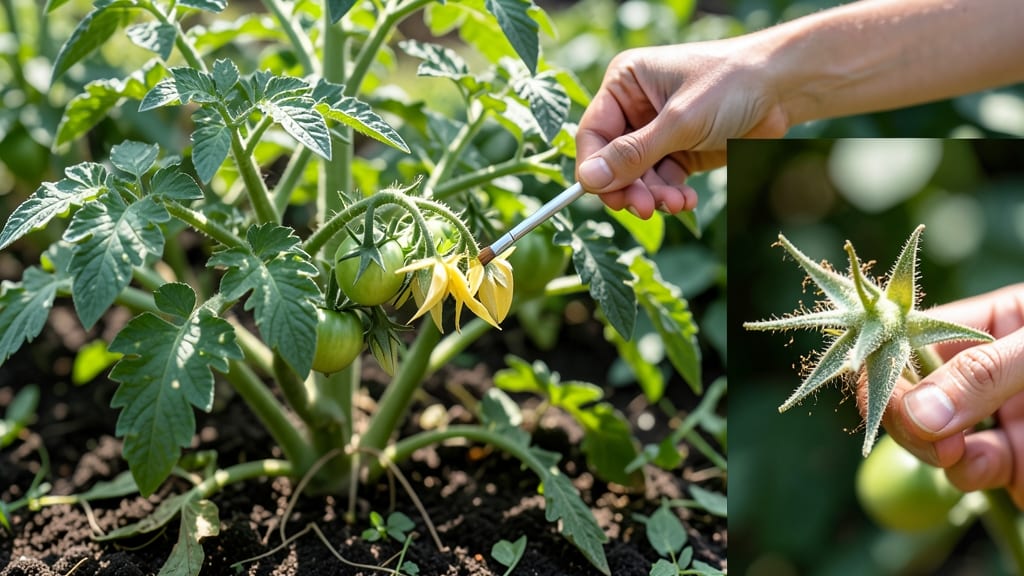
Tomato plants need pollinating to develop fruit, particularly for varieties like cherry and beefsteak, since their flowers depend on pollen transfer for fruit formation. You can help by hand-pollinating or encouraging natural pollinators like bees to maximize your harvest.
Many gardeners assume tomato plants will fruit on their own, but the reality is that these plants rely heavily on pollen transfer to set fruit. 🌱 Without proper pollination, flowers may drop off without developing into tomatoes, especially in varieties with large blooms.
The good news is that you can easily boost pollination by planting bee-friendly flowers nearby or gently shaking plants to dislodge pollen. Even a small increase in pollination can lead to noticeably higher yields, making this a simple but effective gardening hack.
What's particularly interesting is how different tomato varieties respond to pollination. For instance, indeterminate types like beefsteak often need more assistance than smaller varieties, as their heavy flowers require extra support from pollinators or manual intervention.
Understanding this can help you plan your garden layout to maximize fruit production while minimizing wasted effort.
💡 In This Article
- How Tomato Flowers Turn to Fruit: The Pollination Process
- Natural Ways to Pollinate Tomato Plants Without Chemicals
How tomato flowers turn to fruit: the pollination process
Tomato flowers undergo a fascinating biological process to transform into fruit. Each flower contains both male (anthers) and female (stigma) reproductive parts, but they're physically separated. When pollen from the anthers lands on the stigma, it triggers fertilization of the ovules inside the ovary.
This process is called cross-pollination when pollen comes from another plant, or self-pollination when it's from the same flower. The key difference is that cross-pollination often produces stronger, more vigorous plants.
The actual fertilization happens when pollen tubes grow down through the style to reach the ovules, which takes about 12-24 hours in optimal conditions. After successful fertilization, the ovary begins swelling and developing into what we recognize as a tomato fruit.
Interestingly, the size and shape of the resulting tomato are directly influenced by how many ovules get fertilized - this is why some flowers produce large beefsteak tomatoes while others yield small cherry varieties. The plant's energy is distributed based on how many seeds develop, creating the final fruit structure.
Environmental factors play a critical role in this process. Humidity levels below 40% can cause pollen to dry out before reaching the stigma, while temperatures above 90°F can prevent proper pollen tube growth.
Wind can help distribute pollen, but tomato flowers aren't designed to be wind-pollinated like grasses - their pollen is heavy and sticky, requiring physical transfer. This is why many gardeners notice poor fruit set during hot, dry spells or when plants are grown indoors without pollinators.
The flowers often drop off without setting fruit when pollination fails.
What's particularly interesting is how different tomato varieties respond to pollination challenges. Indeterminate varieties like 'Brandywine' or 'Cherokee Purple' often need more assistance because their large, heavy flowers require more pollen transfer.
In contrast, smaller varieties like 'Sweet 100' or 'Tiny Tim' can sometimes self-pollinate more effectively due to their flower structure.
This is why you might see perfect fruit set on one plant while another nearby has many dropped flowers - it's not just about the variety but also about the specific growing conditions and pollination support available.
Here's a visual breakdown of what happens during successful pollination:
- Pollen transfer: Pollen lands on stigma (can be from same flower or another)
- Fertilization: Pollen tube grows to ovules (12-24 hours process)
- Ovary development: Fertilized ovules trigger fruit growth
- Fruit maturation: Plant's energy creates the final tomato structure
The entire process from pollination to harvest typically takes about 45-60 days, though this varies by variety and growing conditions.
Understanding this biological mechanism helps explain why some tomato plants produce abundantly while others struggle - it's often not about the plant itself but about whether the pollination process succeeded in the first place. 🌿