
How To
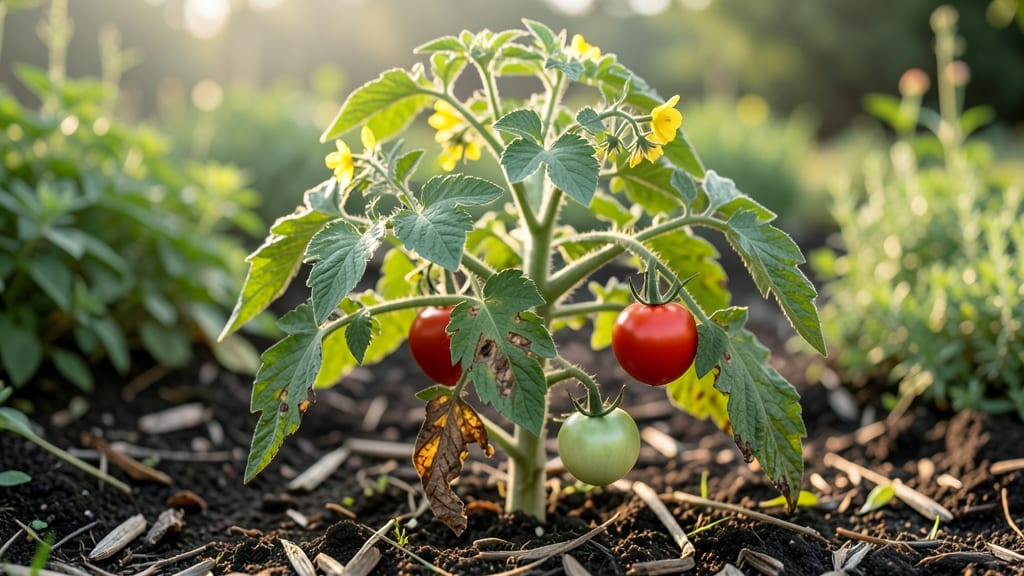
Early blight turns your tomatoes into a spotted mess before they even ripen. 🌱 I’ve watched my prized heirlooms develop those telltale brown lesions—first on the leaves, then creeping onto the fruit—until the entire plant looks defeated.
The good news? This fungal infection is predictable, and with the right steps, you can stop it before it ruins your harvest.
The problem starts with crowded plants and wet foliage, creating the perfect breeding ground for the fungus. Early blight thrives in humid conditions, so spacing your tomatoes properly and avoiding overhead watering cuts off its lifeline.
Resistant varieties like ‘Mountain Merit’ or ‘Defiant PhR’ can also save you from heartbreak—though even the toughest plants need a little help when conditions turn favorable.
Here’s the game-changer: a 3-step prevention routine that works even if you’ve already spotted a few lesions. Prune infected leaves immediately, apply a copper fungicide at the first sign of trouble, and mulch heavily to keep soil-borne spores from splashing onto fruit.
Within weeks, your plants will bounce back—stronger, healthier, and ready to produce blemish-free tomatoes all season.
This method works for backyard gardens, raised beds, and even container-grown tomatoes. The key is acting fast—once the fungus sets in, it’s a losing battle. Let’s get your plants back on track before those black spots spread.
The Root Causes of Early Blight
Early blight isn’t just a random tomato woe—it’s a fungal party crashers that thrives under specific conditions. Understanding why it strikes your plants is the first step to stopping it in its tracks.
Below, we break down the three primary culprits behind this destructive disease, backed by science and actionable insights.
Early blight is caused by the fungus Alternaria solani, which spreads via microscopic spores that lurk in soil, plant debris, and even infected seeds. Here’s how they hijack your harvest:
- Survival Mode: Spores can overwinter in old plant material (like fallen leaves or stems) or infected crop residues.
If you didn’t clean up last season’s garden, you’re basically rolling out the welcome mat for this fungus. - Windborne Warriors: When conditions are right (warm, humid, or rainy), spores hitchhike on wind currents to infect new plants.
A single spore landing on a leaf can kickstart an outbreak in weeks. - Splash Zone: Raindrops or overhead watering splash spores from the soil onto lower leaves, where they germinate and create conidia (new spores) that spread upward.
💡 Pro Tip: Rotate crops yearly and remove all plant debris—burning (if safe) or composting at 160°F+ kills spores. Avoid planting tomatoes in the same spot for 3–4 years to starve the fungus.
Early blight doesn’t just happen—it waits for the right weather. These factors turn your garden into a fungal buffet:
| Factor | Why It Helps the Fungus | Your Action Plan |
|---|---|---|
| Warm Temperatures (70–85°F) | Ideal for spore germination and fungal growth. | Monitor forecasts; cover plants with row covers during heatwaves. |
| High Humidity (>75%) | Spores thrive in damp conditions; leaves stay wet for hours. | Improve airflow with pruning and spacing plants 18–24" apart. |
| Frequent Rain | Overhead watering or rain splashes spores onto leaves. | Water at the base (not leaves) and use drip irrigation. |
| Nighttime Dew | Prolonged leaf wetness (10+ hours) speeds infection. | Plant in sunny spots with minimal shade; avoid evening watering. |
✨ Science Note: The fungus prefers older leaves first, which is why you’ll often see concentric rings (target-like spots) on lower foliage before fruit shows symptoms.
A healthy tomato plant can fight off early blight—but stress opens the door. Common triggers include:
- Poor Nutrition: Low potassium (K) or phosphorus (P) weakens cell walls, making leaves easier targets. A balanced 10-10-10 fertilizer (or compost) helps. - Overcrowding: Tight spaces = poor airflow and high humidity near leaves.
Aim for 1–2 plants per 4 sq ft in containers. - Injuries or Wounds: Pruning cuts, hail damage, or even insect bites create entry points for spores.
Always use sterilized tools (rubbing alcohol wipe-down). - Drought or Overwatering: Both shock plants. Mulch (straw or grass clippings) keeps soil moist but not soggy.
🔥 Quick Fix: If you spot stress symptoms (yellowing, wilting), flush soil with water to redistribute nutrients and side-dress with compost.
🚨 Key Takeaway: Early blight exploits spores + weather + weak plants. Break the chain by removing debris, controlling moisture, and boosting plant health—before the fungus throws its first party in your garden.
How to Treat and Prevent Early Blight
Early blight may feel like a battle, but with the right strategies, you can save your tomato plants and protect next year’s harvest. Below are targeted solutions based on the root causes—fungal pressure, poor airflow, and environmental stress—plus preventive tips to keep your garden thriving.
Early blight thrives on old plant material, so the first line of defense is cleaning up.
- 🔪 Prune infected leaves (especially lower ones) with sterilized shears or scissors.
- 🗑️ Bag and discard (don’t compost!) infected foliage in sealed plastic bags.
- 🌱 Rotate crops—don’t plant tomatoes, peppers, or potatoes in the same spot next year (they share fungal pathogens).
> 💡 Pro Tip: If blight is severe, remove the entire plant to prevent spores from spreading.
Fungal spores love stagnant, humid air. Boost circulation to dry leaves faster.
- ⏰ Space plants 18–24 inches apart (if growing in rows) or 36 inches apart in containers.
- 🌳 Use trellises or cages to elevate plants, allowing airflow underneath.
- 🌞 Prune suckers and leaves that shade the lower stems (where spores land).
> 🌡️ Heat Hack: If humidity is high, run a small fan near plants for 10–15 minutes daily to dry foliage.
Overhead watering splashes spores onto leaves. Switch to drip irrigation or soaker hoses to keep foliage dry.
- 🕒 Water early in the day (before 10 AM) so leaves dry by evening.
- 🚫 Avoid wetting leaves—aim water at the soil base.
- 💦 Mulch with straw or grass clippings (2–3 inches deep) to reduce soil splatter.
> ✨ Prevention Bonus: If using overhead sprinklers, water only in the morning and avoid late-night sessions.
If blight is already present, fungicides can slow spread. Choose based on severity:
| Method | How to Use | Best For |
|---|---|---|
| 🌿 Copper Fungicide | Spray every 7–10 days (follow label rates). | Organic gardens, mild cases |
| 🍄 Neem Oil | Mix 1 tbsp neem oil + 1 tsp mild soap per gallon of water. Spray weekly. | Early-stage prevention |
| 🧪 Chlorothalonil | Apply every 5–7 days (follow label). | Severe outbreaks |
> 🎯 Timing Tip: Start fungicide treatments at first signs of blight (tiny brown spots) for best results.
Healthy plants fight off blight better. Boost defenses with:
- 💪 Balanced fertilizer (10-10-10 or compost) before flowering to avoid excessive leaf growth.
- 🍄 Beneficial microbes like mycorrhizal fungi (available in powders) to improve root health.
- 🌿 Companion planting with basil, marigolds, or garlic to deter fungal spores.
> 🔥 Fire Prevention: Avoid over-fertilizing with nitrogen—it promotes lush, blight-prone foliage.
If 50%+ of leaves are infected, act fast:
- 🍄 Remove all infected fruit (blight can spread to tomatoes).
- 🌿 Apply a systemic fungicide (like myclobutanil) for deep protection.
- 🌞 Increase sunlight exposure by thinning nearby plants.
- 📅 Monitor daily—if new spots appear, repeat treatments.
> 💀 Last Resort: If the plant is beyond saving, pull and destroy it to protect nearby crops.
Final Thought: Early blight is manageable with prevention + quick action. Start with cleanup and airflow, then fungicides if needed. Next season, rotate crops, mulch properly, and water wisely—your tomatoes will thank you with juicy, blemish-free fruit! 🍅🌟
Frequently asked questions about tomato early blight
Can you still eat tomatoes with early blight?
Yes, but only if the fruit shows no visible lesions. Early blight primarily infects leaves and stems first, then spreads to fruit later. Remove any tomatoes with brown spots or concentric rings immediately—they won't ripen well and can spread spores. Harvest healthy fruit as soon as it's ripe to avoid contamination.
How do I know if my tomato spots are early blight or something else?
Early blight spots are brown to black with concentric rings and often appear on older, lower leaves first. Unlike late blight (which causes greasy-looking spots), early blight creates dry, papery lesions. Check stems too—early blight causes sunken, canker-like wounds that late blight won't have.
Will removing infected leaves really stop early blight from spreading?
Absolutely—it's the most effective first step! Removing infected foliage eliminates spore sources and improves airflow. Use sterilized pruners and dispose of leaves in sealed bags (don't compost). For severe cases, remove all lower leaves where spores concentrate—this forces energy into fruit production instead of leaf regrowth.
Can I use household items like baking soda to treat early blight?
A baking soda spray (1 tbsp baking soda + 1 tsp oil + 1 gallon water) can help prevent early blight in mild cases by raising leaf pH. However, it's not a cure for active infections—use it as a preventive weekly spray during humid weather. For existing blight, combine it with copper fungicide for better results.
How long does it take for fungicides to work on early blight?
Most fungicides need 7–14 days of consistent use to show visible improvement. Start treatments at first signs (tiny spots) and reapply every 7–10 days during wet conditions. Copper fungicides work faster (3–5 days) than neem oil, but neem is safer for organic gardens. Always follow label instructions for timing and concentration.