
Plants
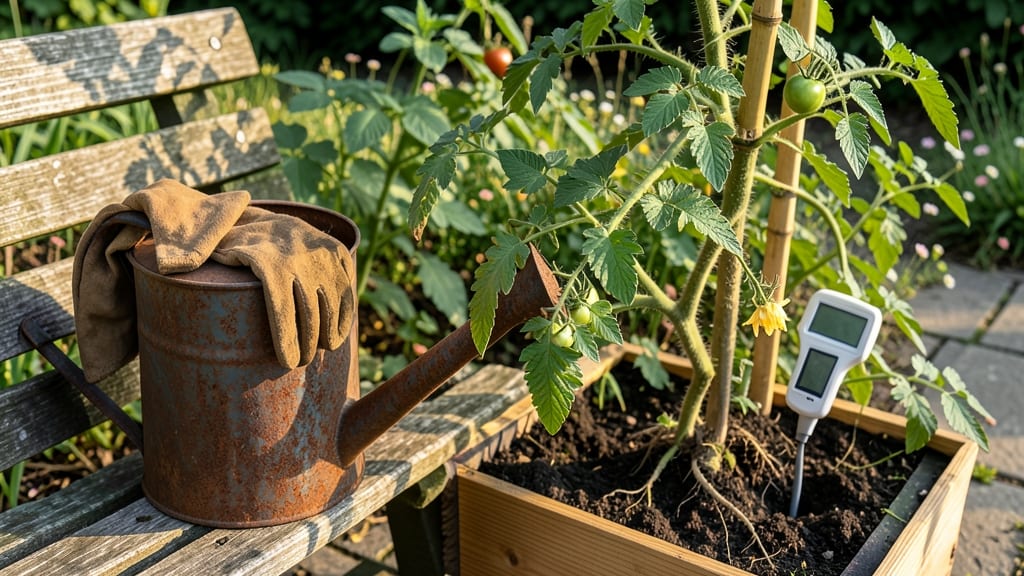
Drooping tomato plant leaves don't mean your harvest is doomed—this is your wake-up call to fix it before it spreads. 🌱 I've nursed back more tomato plants than I'd like to admit, and the key is always in the details: water, roots, or something sneaky like pests hiding in the foliage.
Most gardeners overlook the simplest checks first, and that's where the damage gets permanent. The good news? You can often revive plants within 24-48 hours if you catch it early.
First, rule out the most common culprits: overwatering (soggy soil), underwatering (dry, crusty soil), or heat stress (leaves curling in the afternoon). Stick your finger an inch into the soil—if it's damp, hold off on watering; if it's bone-dry, give it a deep drink.
Heat stress? Move plants to dappled shade until temps drop below 85°F. The fix is almost always simpler than you think, but skipping this step means guessing instead of diagnosing.
Once you've adjusted water or shade, check for hidden pests like aphids or spider mites—tiny webs on the undersides of leaves mean trouble. A strong spray of water or neem oil usually does the trick.
For fungal issues like early blight (brown spots on lower leaves), prune affected foliage immediately and space plants for better airflow. Within a week, you'll see leaves perking up again, and those tomatoes will still ripen just like they should.
Prevention is where the real magic happens: mulch to keep soil moist, water at the base (not overhead), and pick varieties bred for your climate. These small tweaks mean fewer droopy leaves and more productive plants next season. You've got this—your tomatoes are counting on you.
Root Causes Behind Wilting Tomato Leaves
When your tomato plant’s leaves start drooping like a sad balloon, it’s rarely a random act of nature—it’s a cry for help. Understanding the why behind the wilt is the first step to saving your harvest.
Below, we break down the most common culprits, backed by science, so you can diagnose the issue and take action fast.
Tomatoes are thirsty plants, but they despise extremes. Drooping leaves often signal a water imbalance, whether from drought or overwatering.
- Underwatering: Tomato plants have deep root systems that need consistent moisture to transport water and nutrients upward. When soil dries out, roots struggle to supply leaves, causing them to wilt quickly—especially in hot weather. Signs: Dry, crispy leaf edges and soil that pulls away from the pot.
- Overwatering: Soggy soil suffocates roots by cutting off oxygen, leading to anaerobic conditions that prevent nutrient uptake. Roots rot, and the plant can’t support its leaves. Signs: Yellowing leaves, mushy stems, and soil that stays clammy for days.
- Irregular Watering: Tomatoes hate boom-and-bust watering cycles. Uneven moisture causes roots to shrink and swell, disrupting their ability to absorb water. This is especially common in containers where soil dries out faster.
💡 Pro Tip: Stick your finger 2–3 inches into the soil. If it’s dry, water deeply until it drains from the bottom. If it’s soggy, hold off until the top inch feels slightly dry. Mulch helps retain moisture and regulate temperature!
Tomatoes are warm-weather lovers, but extreme temperatures—whether scorching heat or unexpected chills—can make leaves droop overnight.
- Heat Stress: When temperatures exceed 90°F (32°C), tomato plants transpire (lose water) at a rapid pace, outpacing root absorption. Leaves may also scorch (turn brown) on the edges. Signs: Wilting in the afternoon that recovers at night.
- Cold Stress: Tomatoes cannot tolerate frost or temperatures below 50°F (10°C). Cold damages cell membranes, causing water to leak out and leaves to wilt. Signs: Yellowing, mushy leaves, or blackened stems after a cold snap.
- Wind or Sunburn: Strong winds dry out leaves faster, while intense afternoon sun can bleach foliage. Both lead to wilting and stunted growth.
🌡️ Quick Fix: Move potted plants to partial shade during heatwaves or cover them with frost cloth if temperatures dip. Use shade cloth (30–50%) to protect from harsh afternoon sun.
Drooping can also be a hunger signal. Tomatoes are heavy feeders and need a balanced diet of nitrogen (N), phosphorus (P), and potassium (K), plus micronutrients like magnesium and calcium.
- Nitrogen Deficiency: Leaves turn yellow (chlorotic) between veins, starting with older leaves, while new growth remains small. Without nitrogen, the plant can’t produce enough chlorophyll for energy. Signs: Stunted growth + drooping lower leaves.
- Potassium Deficiency: Potassium helps regulate water movement in plants. A deficiency causes leaf edges to brown and curl (a condition called scorch), while leaves may also wilt due to poor osmotic balance. Signs: Weak stems and yellowing between veins.
- Calcium Deficiency: Critical for cell wall strength, calcium deficiency leads to blossom-end rot (black, mushy spots on fruit) and wilting new leaves because cells can’t maintain turgor pressure. Signs: Distorted, cupped leaves.
💪 Fix It Fast:
- Use a balanced fertilizer (10-10-10 or 5-5-5) every 2–3 weeks during growing season.
- For calcium, apply crushed eggshells or use calcium nitrate.
- For potassium, try banana peel tea or wood ash (sparingly).
Sometimes, drooping is a stealth attack by pests or pathogens that disrupt the plant’s ability to transport water and nutrients.
-
Sap-Sucking Pests:
- Aphids and whiteflies pierce leaves to feed, injecting toxins that cause wilting and curling.
- Spider mites suck cell sap, leading to stippled, grayish leaves that droop from dehydration.
-
Fungal Infections:
- Early blight or late blight (Phytophthora) clog stomata (leaf pores), preventing gas exchange and causing wilting. Signs: Brown, concentric rings on leaves.
- Root rot (from overwatering or fungal pathogens like Fusarium) kills roots, leaving the plant unable to support its foliage.
- Viral Diseases: Tomato mosaic virus or cucumber mosaic virus cause mottled leaves and stunted growth, leading to wilting as the plant weakens.
🛡️ Act Now:
- Spray pests with neem oil or insecticidal soap.
- Remove infected leaves and treat fungal diseases with copper fungicide.
- Improve airflow with pruning and spacing to prevent fungal spread.
Now that you know the why, the next step is how to fix it. Stay tuned for actionable solutions to revive your tomato plant’s vigor!
Quick fixes for reviving wilted tomatoes
When your tomato plant’s leaves start drooping like a sad balloon, it’s time to roll up your sleeves and take action! The good news? Most causes of wilting leaves have straightforward fixes—if you know what to look for.
Below, we’ve mapped out the most common culprits and the easy, step-by-step solutions to get your plant perking up again. Plus, we’ll share pro tips to keep your tomatoes thriving so this doesn’t happen again.
If your tomato plant’s leaves are drooping and the soil feels soggy (or even waterlogged), overwatering is likely the villain. Tomatoes hate "wet feet"—too much moisture suffocates roots and invites rot.
🔥 Step-by-Step Fix:
- Stop Watering Immediately 🚰
- Let the top 1–2 inches of soil dry out before watering again. Stick your finger in the soil—if it’s damp past your first knuckle, wait.
- Improve Drainage 🏗️
- If your pot lacks drainage holes, transfer your plant to a container with them (or add a layer of perlite to the soil mix).
- For in-ground plants, amend the soil with compost or sand to loosen it up.
- Repot if Necessary 🌱
- If roots are mushy or the soil smells foul, repot in fresh, well-draining potting mix. Trim any black or squishy roots with sterilized scissors.
💡 Prevention Tips:
- Water deeply but infrequently—tomatoes prefer a dry-wet cycle. Aim for 1–1.5 inches of water per week (adjust for climate).
- Use a moisture meter to avoid guesswork.
- Elevate pots slightly to prevent water pooling at the base.
Droopy leaves can also mean your plant is thirsty—especially in hot weather. Wilting often starts in the hottest part of the day, but if it persists, your tomato might be struggling to absorb water fast enough.
🍳 Step-by-Step Fix:
- Water at the Right Time ⏰
- Water early in the morning or late afternoon to reduce evaporation. Avoid midday watering—it can scald leaves!
- Use the "Soak and Drain" Method 💦
- Water until it runs out the drainage holes, then let excess drain away. This encourages deep root growth.
- Mulch to Retain Moisture 🌿
- Spread 2–3 inches of organic mulch (straw, wood chips) around the base (but not touching the stem) to lock in moisture.
💡 Prevention Tips:
- Group plants together to create a microclimate that retains humidity.
- Install a drip irrigation system or soaker hose for consistent moisture.
- Move potted tomatoes to a shady spot during extreme heat waves.
Tomatoes are tropical at heart but can’t handle extreme heat or cold. Drooping leaves often signal stress from temperatures outside their ideal range (60–85°F). Low humidity can also make leaves wilt faster.
👨🍳 Step-by-Step Fix:
- Adjust Your Plant’s Location 🏡
- Move potted tomatoes to a spot with morning sun and afternoon shade during heatwaves.
- If temps drop below 50°F, cover plants with frost cloth or bring pots indoors temporarily.
- Boost Humidity 🌧️
- Place a tray of water near the plant or use a humidifier.
- Mist leaves early in the day (avoid evening misting to prevent fungal diseases).
- Hardening Off Young Plants 🌱
- If seedlings are wilting after transplanting, gradually expose them to outdoor conditions over 7–10 days to avoid shock.
💡 Prevention Tips:
- Choose heat-tolerant varieties like ‘Solar Fire’ or ‘Heatmaster’ if you live in a hot climate.
- Use shade cloth (30–50%) during peak summer heat.
- Avoid placing pots on reflective surfaces (like concrete) that bake roots.
Fungal diseases (like early blight or verticillium wilt) or pests (aphids, spider mites) can cause leaves to droop as they sap energy from the plant. Check for yellowing, spots, or tiny webs before diagnosing.
✨ Step-by-Step Fix:
- Identify the Problem 🔍
- Fungal disease? Look for dark spots or wilting in a pattern (e.g., bottom leaves first).
- Pests? Shake leaves over a white sheet—tiny insects or sticky residue (honeydew) are red flags.
- Treat Fungal Issues 🍄
- Prune infected leaves with sterilized shears and dispose of them.
- Spray with a copper fungicide or baking soda mix (1 tsp baking soda + 1 quart water + a drop of dish soap).
- Combat Pests 🐜
- Blast off aphids with a strong stream of water.
- Use neem oil (mix 1 tbsp neem oil + 1 tsp mild soap + 1 quart water) and spray every 5–7 days.
💡 Prevention Tips:
- Space plants for airflow to reduce humidity-related diseases.
- Rotate crops yearly to prevent soil-borne pathogens.
- Introduce beneficial insects like ladybugs to control pests naturally.
Yellowing leaves paired with drooping can signal a hunger for key nutrients. Tomatoes are heavy feeders and need a balanced diet to stay upright and productive.
📊 Step-by-Step Fix:
- Test Your Soil 🧪
- Use a DIY soil test kit or send a sample to a local extension office. Tomatoes thrive in soil with a pH of 6.0–6.8.
- Add the Right Fertilizer 🍽️
- For nitrogen deficiency (yellow lower leaves): Use a balanced fertilizer (10-10-10) or compost tea.
- For potassium deficiency (weak stems, brown leaf edges): Apply wood ash or a tomato-specific fertilizer high in potassium (like 5-10-10).
- Avoid Over-Fertilizing ⚠️
- Too much fertilizer can burn roots. Always follow package instructions and water thoroughly after applying.
💡 Prevention Tips:
- Side-dress with compost every 3–4 weeks during the growing season.
- Use a slow-release fertilizer at planting time for steady nutrition.
- Avoid high-nitrogen fertilizers late in the season—they promote leafy growth at the expense of fruit.
With these targeted fixes, your tomato plant should bounce back in 24–48 hours (or less for hydration issues). Keep an eye on it, adjust care as needed, and soon you’ll be harvesting juicy, vine-ripened tomatoes instead of staring at sad, droopy leaves! 🍅🌟
Frequently asked questions
Why do my tomato plant leaves droop in the afternoon but perk up at night?
This classic pattern usually means heat stress or underwatering. Tomatoes lose water faster in hot afternoons when evaporation outpaces root absorption. Check soil moisture—if the top 1-2 inches are dry, water deeply in the morning. Move potted plants to partial shade during peak heat (90°F+) to reduce water loss.
Can I save my tomato plant if the leaves are completely limp and mushy?
It depends on the cause. If roots are rotted from overwatering, prune affected areas and repot in fresh, well-draining soil. For fungal issues (like early blight), remove all infected leaves immediately. Act within 24 hours—if stems are hollow or black, the plant may be beyond saving. Focus on preventing spread to other plants.
What's the difference between wilting from thirst and wilting from disease?
Thirst wilting happens quickly (minutes to hours) and recovers when watered. Disease wilting spreads slowly (days to weeks), often with other symptoms: yellow spots (fungal), sticky residue (aphids), or curling leaves (viral). Check stems—healthy wilting leaves snap back when hydrated; diseased ones stay limp even after watering.
How often should I water tomato plants to prevent drooping?
Tomatoes need 1-1.5 inches of water weekly, but frequency depends on climate. In hot weather, water every 2-3 days in the morning; in cooler weather, every 5-7 days. Always water at the base (not leaves) to prevent fungal growth. Mulch heavily to retain moisture—this reduces daily watering needs by 30-50%.
Will pruning help drooping tomato plants recover?
Pruning helps only if wilting is caused by disease or overcrowding. Remove yellow/brown leaves (fungal) or suckers (competition for nutrients). For healthy plants, prune 1/3 of foliage to reduce water loss during heat stress. Never prune more than 25%—this stresses the plant further. Focus on improving airflow and hydration first.