
Companion Plants
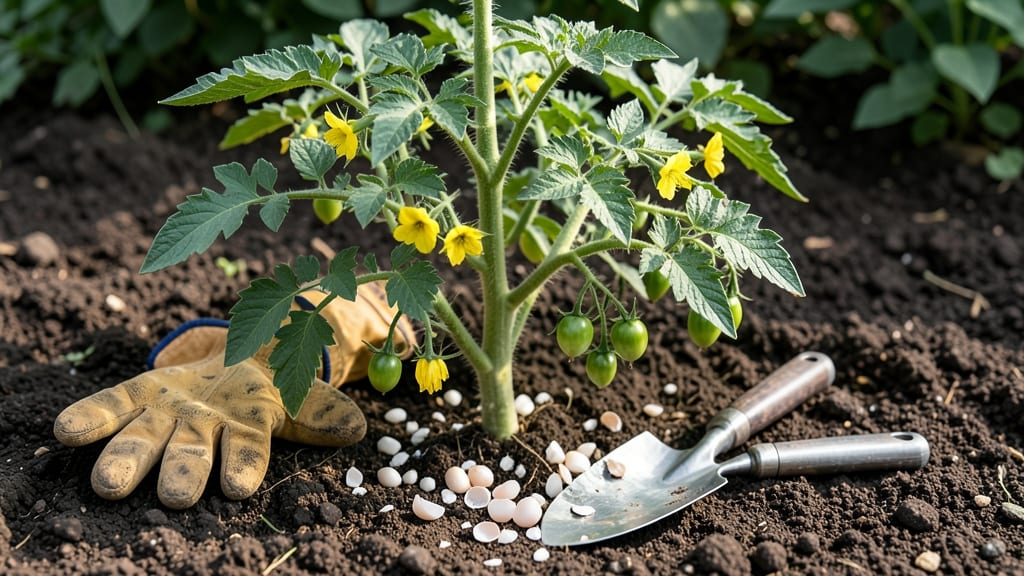
Eggshells for tomato plants strengthen growth by supplying calcium to prevent blossom-end rot and discourage pests like slugs and snails, serving as a nutrient-rich, organic soil enhancer.
Eggshells are a gardener's secret weapon because they slowly release calcium into the soil, which tomato plants crave to develop strong cell walls. 🌱 The sharp edges also create a natural barrier against soft-bodied pests, while the gradual breakdown prevents nutrient spikes that could harm roots.
I've seen firsthand how plants treated this way produce firmer fruits with fewer blemishes, and the process is completely free if you're already using eggs!
For best results, crush dried eggshells into small pieces and mix them into the soil at planting time or work them into the top inch of soil later in the season. You can also place crushed shells around the base of plants as a physical deterrent for slugs.
The key is patience—it takes about 3-6 months for the shells to fully decompose and release their nutrients, but the long-term benefits make it worth the wait.
💡 In This Article
- How Eggshells Strengthen Tomato Plant Growth
- Practical Ways to Use Eggshells in Your Tomato Garden
How eggshells strengthen tomato plant growth
When you crush eggshells and add them to your tomato garden, you're essentially giving your plants a slow-release calcium supplement. The shells are made of calcium carbonate, which breaks down in the soil through a natural process called mineralization.
Microorganisms in the soil, particularly bacteria and fungi, secrete acids that dissolve the calcium carbonate over time, releasing calcium ions (Ca²⁺) that tomato plants can absorb through their roots. This process takes about 3-6 months to fully complete, but the gradual release prevents nutrient spikes that could burn delicate roots.
The real magic happens when these calcium ions reach the plant's cells. Tomato plants need calcium to form strong cell walls, particularly in their growing tips and fruit development areas.
Without enough calcium, plants develop blossom-end rot, a common problem where the blossom end of tomatoes turns brown and mushy. This occurs because the calcium can't travel fast enough from the roots to the growing fruit when soil conditions are too dry or too wet.
Eggshells help maintain a steady calcium supply, ensuring your tomatoes develop firm, healthy tissue instead of developing those unsightly dark spots. 🌱
What's fascinating is how the physical structure of crushed eggshells also contributes to soil health. The tiny, jagged pieces create micro-pores in the soil, improving aeration and water drainage. This helps prevent waterlogged conditions that can stress tomato plants and inhibit calcium uptake.
Additionally, the rough texture of the shells acts as a physical barrier against soft-bodied pests like slugs and snails, which avoid crawling over the sharp edges. This dual benefit makes eggshells one of the most efficient garden amendments you can use.
Scientifically speaking, the calcium-to-magnesium ratio in eggshells (about 40:1) is ideal for tomato plants, which prefer this balance. Too much magnesium can interfere with calcium absorption, but eggshells provide the perfect complement. The shells also contain trace minerals like phosphorus and potassium, though in smaller amounts.
When combined with compost or other organic matter, they create a nutrient-rich environment that supports overall plant vigor. Think of them as nature's time-release fertilizer capsule!
One important factor to consider is soil pH. Eggshells are slightly alkaline (pH around 8-9), so they can help neutralize acidic soils. If your soil is already alkaline, you might want to use them more sparingly or pair them with acidic amendments like coffee grounds.
The key is monitoring your soil's pH and adjusting your approach accordingly. Most gardeners find that a light application (about 1 cup crushed shells per plant) every few months is sufficient to maintain healthy calcium levels without over-alkalizing the soil. 💫