
Planting
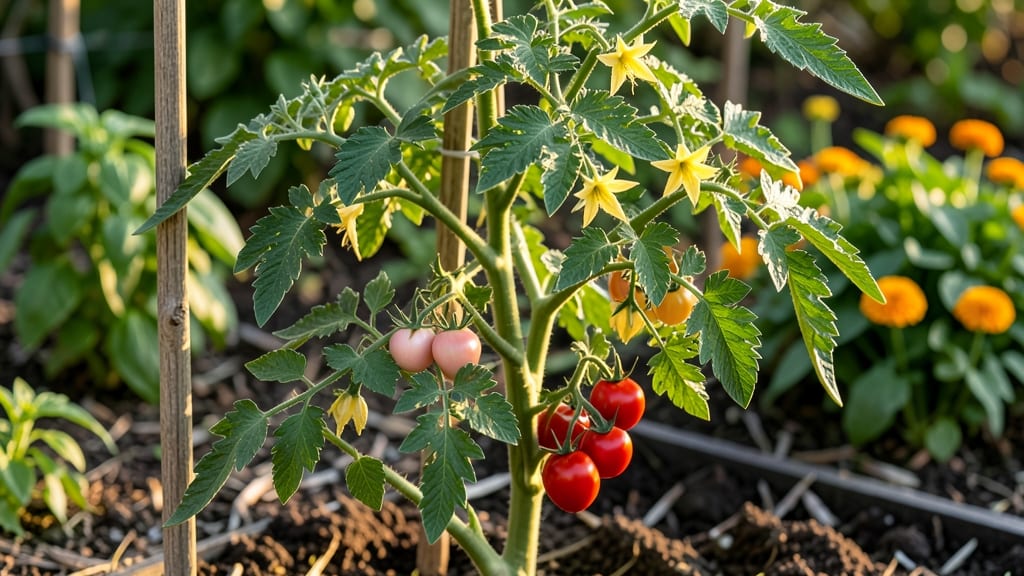
A full grown tomato plant 🍅 is the powerhouse of your garden—but only if you know how to prune it right. Picture this: you’re staring at a 6-foot vine covered in green leaves, wondering why you’re getting half the tomatoes you expected.
The answer lies in the cuts you make (or don’t make) at the right time.
Most gardeners skip pruning because they fear harming the plant, but the truth is, strategic trimming can double your harvest in just two weeks. By removing the right suckers and leaves, you redirect energy straight to fruit production, not just more foliage.
And no, you don’t need a green thumb—just a few simple techniques and the right timing.
In this guide, I’ll walk you through the exact pruning steps that work for both bush and vine types, including when to start (hint: it’s not when the first flowers appear) and how to avoid the three biggest mistakes that kill yields.
Whether you’re dealing with cherry tomatoes or beefsteaks, these secrets will keep your plants healthy and your kitchen stocked.
Ready to transform your full grown tomato plant from a leafy mess into a fruit factory? Let’s get started with the pruning schedule that’ll have you harvesting like a pro by summer’s end.

How to prune a full grown tomato plant for maximum fruit production
Pruning your full grown tomato plant isn't just about keeping it tidy—it's a game-changer for your harvest. When done correctly, pruning redirects the plant's energy from excessive foliage to fruit production, resulting in larger, healthier tomatoes.
The key lies in understanding your tomato variety and knowing exactly where to make those cuts. Indeterminate varieties (like 'Sungold' or 'Brandywine') grow continuously and need regular pruning, while determinate varieties (like 'Roma' or 'Celebrity') produce fruit in one flush and require minimal trimming.
Before grabbing your pruners, remember that pruning stimulates growth by removing suckers—those small shoots that form in the leaf axils. These suckers compete with your main stem and fruit clusters for nutrients.
By removing them strategically, you encourage the plant to focus its energy on developing larger, ripened fruit rather than extra foliage. The best time to prune is in the morning hours, when the plant is hydrated and cuts heal faster, reducing disease risk.
Step-by-Step Pruning Guide for Full Grown Tomato Plants
-
Step 1: Identify Your Variety
Determine if your tomato is indeterminate (needs heavy pruning) or determinate (minimal pruning). -
Step 2: Gather Tools
Use sharp pruners or clean scissors to make precise cuts. Avoid tearing stems. -
Step 3: Locate Suckers
Find suckers (small shoots) in the leaf axils between the main stem and branches. -
Step 4: Remove Suckers
Pinch or cut suckers off below the leaf axil to prevent regrowth. -
Step 5: Prune Lower Leaves
Trim lower leaves touching the soil to improve airflow and reduce disease. -
Step 6: Support the Plant
Use cages or stakes to hold pruned plants upright for better fruit development. -
Step 7: Monitor Growth
Check for new suckers weekly and repeat pruning as needed.
Pro Tip: Always prune above a leaf to encourage new growth from the next node.
For indeterminate varieties, aim to leave 3-4 main stems after pruning. This creates a balanced structure that supports heavy fruit loads without breaking. Start by removing suckers that form below the first flower cluster, as these won't contribute to your harvest.
The goal is to create an open, airy plant that allows sunlight to reach all fruit, preventing blossom end rot and other issues caused by poor air circulation.
If you're growing determinate tomatoes, pruning is far less aggressive. These plants produce fruit in one go and don't benefit from heavy trimming. Instead, focus on removing diseased or yellowing leaves and any suckers that form near the base.
The key here is to maintain plant health rather than boost yield, as determinate varieties naturally stop growing once they fruit.
Pruning also plays a crucial role in disease prevention. By removing crowded foliage, you reduce humidity levels inside the plant, which minimizes the risk of fungal infections like early blight or late blight.
Always disinfect your pruners with rubbing alcohol between cuts to prevent spreading pathogens. After pruning, consider applying a copper fungicide spray as a preventive measure, especially in humid climates.
Timing is everything when it comes to pruning. For indeterminate varieties, start pruning when the plant reaches 18-24 inches tall and continues throughout the growing season. For determinate varieties, limit pruning to early in the season to encourage a strong framework.
Avoid heavy pruning late in the season, as this can stress the plant and reduce its ability to ripen existing fruit before the first frost.
One common misconception is that pruning will reduce your tomato yield. In reality, the opposite is true when done correctly. Studies show that properly pruned indeterminate tomato plants can produce 20-30% more fruit than unpruned counterparts.
The secret lies in the plant's ability to redirect its energy from excessive foliage to fruit development. Think of pruning as giving your tomato plant a nutrient boost—it’s like telling the plant, "Focus your energy here, not there!"
After pruning, give your tomato plant a light fertilizer application to support new growth. Use a balanced fertilizer with a higher phosphorus content (like 5-10-10) to encourage flowering and fruiting. Water the plant deeply after pruning to help it recover and reduce transplant shock.
Avoid overwatering, as soggy soil can lead to root rot, especially after pruning wounds have been made.
Keep an eye on your pruned tomato plant in the days following trimming. You should see new growth emerging from the leaf axils within 5-7 days. This is a sign that your pruning was successful and the plant is redirecting its energy where you want it—toward fruit production.
If you notice yellowing leaves or stunted growth, you may have pruned too aggressively. In this case, reduce future pruning and focus on providing optimal care, including consistent watering and sunlight.
Finally, remember that pruning is an ongoing process. Check your tomato plant weekly for new suckers and adjust your pruning as needed. The more you prune, the more your plant will reward you with a bountiful harvest.
With practice, you'll develop an intuition for when and how much to prune, leading to healthier plants and bigger, tastier tomatoes every season. Happy pruning! 🌱✂️🍅
Common pruning mistakes that kill your tomato harvest (and how to avoid them)
Pruning your full grown tomato plant feels like a balancing act—too much and you stunt growth, too little and you miss out on bigger harvests. I’ve seen gardeners accidentally sabotage their hard work with just a few wrong cuts.
The key is understanding what your tomato plant needs vs. what it tolerates. For example, indeterminate varieties like 'Sungold' can handle aggressive pruning, while determinate types like 'Roma' need minimal shaping.
Even experienced gardeners make these mistakes, often without realizing how much they’re hurting their plants. The good news? Each error has a simple fix. Start by checking your pruning tools—dull shears leave jagged cuts that invite disease.
And timing matters: pruning at the wrong stage can shock your plant just as it’s trying to set fruit. Let’s break down the five most costly mistakes and how to avoid them.
⚠️ Your Tomato Plant is Screaming for Help
Over-pruning removes too many leaves, starving your plant of energy. Indeterminate varieties (like 'Better Boy') can lose 30% of their yield if pruned back more than 1/3 of their foliage. Determinate types (like 'Celebrity') need almost no pruning—just remove diseased leaves.
Action: Never remove more than 20% of leaves at once. Focus on suckers (side shoots) and lower leaves touching soil.
Another silent killer is cutting at the wrong angle. A clean, 45-degree cut just above a leaf node promotes faster healing, while a jagged cut invites pests and disease. I once saw a garden where every tomato plant had blackened stems from improper pruning—it was heartbreaking.
Always use sharp, sterilized shears and make cuts 1/8 inch above a leaf to encourage new growth.
Timing is everything with tomatoes. Pruning too early can delay fruiting, while waiting too long means missing the 2-week harvest boost window. The best time is when your plant has 3-4 main stems and shows first flower clusters.
This usually happens 6-8 weeks after transplanting. For indeterminate varieties, prune weekly during peak growth; determinate types only need light trimming.
Ignoring disease signs is another common trap. Yellowing leaves or black spots aren’t just pruning mistakes—they’re warnings. Fungal diseases like early blight spread through wet foliage, so always prune on dry, sunny days.
Remove infected leaves immediately and dip shears in rubbing alcohol between cuts. I’ve saved entire tomato plants by catching early signs and acting fast.
Finally, neglecting support systems turns pruning into a losing game. A heavily pruned plant needs extra staking or caging to handle its new growth pattern. Without support, branches break under fruit weight, causing rotting and lost harvests.
Install trellises or tomato cages before pruning begins, and tie stems to supports with soft plant ties every 4-6 inches.
Your tomato plants are resilient, but they need your guidance. Start with these fixes today, and you’ll see noticeably bigger harvests in just two weeks—without stressing your plants. The secret isn’t complicated: less is more, timing is critical, and health always comes first. 🌱✂️🍅