
Companion Plants
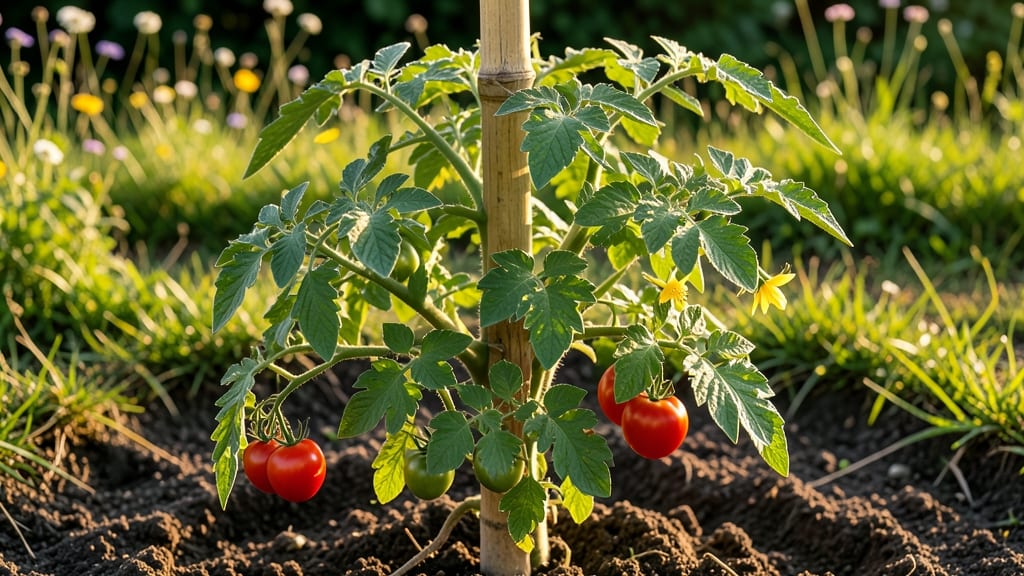
Growing Hawaiian Pineapple tomato plants means harvesting fruits that taste like sunshine in every bite—sweet, juicy, and packed with tropical flavor. 🌺 I've grown dozens of tomato varieties, but this heirloom stands out with its golden-yellow flesh that's sweeter than most store-bought tomatoes, especially when grown alongside pineapple sage (its perfect companion).
The secret isn't complicated: it's about matching their tropical roots with the right growing conditions.
Start with well-draining soil mixed with compost—these plants hate soggy roots—and plant them where they'll get 6-8 hours of sunlight daily. Pineapple sage nearby deters pests and adds a fragrant, silvery-green contrast that makes your garden look like a tropical escape.
Water consistently but avoid wetting the leaves to prevent disease, and mulch heavily to keep moisture steady in the heat.
By midsummer, you'll be harvesting tomatoes that burst with flavor, with each vine producing 10-15 pounds of fruit. The pineapple sage will bloom with edible flowers that taste like summer, and together they create a dual-purpose display that's as functional as it is beautiful.
Prune regularly to encourage bushier growth and more fruit, and watch your harvest multiply.
Perfect for warm climates (zones 8-11) or containers in cooler areas, this duo thrives where temperatures stay above 70°F. If you've ever struggled with bland tomatoes or floppy plants, this tropical combination changes the game—sweet, productive, and impossible to resist.
📚 In This Guide
- What you need
- Instructions
- Tips and common mistakes
- Wrapping up and next steps
What you need
- ● Hawaiian Pineapple Tomato Seeds or Plants: 3–5 plants (choose disease-resistant varieties like 'Solar Fire' or 'Sweet 100').
- ● Pineapple Plant (Ananas comosus): 1 mature plant (ensure it’s healthy and pest-free).
- ● Large Containers or Garden Beds: At least 2–3 square feet per tomato plant (or 1 large container for both if companion planting).
- ● High-Quality Potting Soil: 5–10 bags (well-draining, organic mix with perlite or coconut coir).
- ● Compost or Organic Fertilizer: 1–2 bags (balanced 10-10-10 or tomato-specific fertilizer).
- ● Mulch (Straw or Pine Bark): 1–2 bags (to retain moisture and regulate soil temp).
- ● Drip Irrigation or Watering Can: 1 (consistent moisture is key!).
- ● Support Stakes or Cages: 3–5 (for tomato plants, 5–6 feet tall).
- ● Pruning Shears: 1 (for trimming pineapple leaves if needed).
- ● Soil pH Test Kit: To ensure pH 6.0–6.8 (ideal for both plants).
- ● Mycorrhizal Fungi: Boosts root health (add to soil at planting).
- ● Shade Cloth (30–50% coverage): For hot climates (protects pineapple from scorching).
- ● Epsom Salt (Magnesium Sulfate): 1–2 tbsp per plant (prevents blossom end rot).
- ● Companion Plant Add-Ons: Basil, marigolds, or nasturtiums (enhances growth and deters pests).
Step-by-step guide to growing Hawaiian pineapple tomato plants
Here's how to cultivate these tropical beauties—where the sweetness of pineapple meets the tang of tomatoes.
🌱 Step 1: Select and Prepare Your Growing Containers
Choose 4-inch diameter containers for each plant—this gives roots room to establish while keeping the tropical duo compact. Hawaiian Pineapple Tomatoes thrive in well-draining soil, so mix 2 parts potting mix with 1 part perlite to prevent root rot. I like to add a handful of orchid bark for extra aeration, especially since these plants mimic their tropical namesake.
Fill each container ¾ full with your mix, leaving room for the root ball. Gently press down to remove air pockets without compacting the soil. The goal is a fluffy, airy medium that mimics the volcanic soil these plants love. If you're planting directly in the ground, amend the soil with compost and sand to replicate their native, fast-draining conditions.
🌿 Step 2: Plant the Transplants at the Right Depth
Remove the plants from their nursery pots and loosen the roots if they’re tightly bound. Hawaiian Pineapple Tomatoes have a unique semi-determinate growth habit, meaning they’ll grow upward but stay compact. Plant each transplant so the top of the root ball sits just below soil level—this prevents stem rot while encouraging strong root development.
Space your 4 plants at least 18 inches apart if planting in the ground, or keep them in individual containers if you’re growing them as a tropical duo. Water lightly after planting to settle the soil around the roots. Avoid heavy watering here—you want the roots to establish without sitting in soggy soil, which can invite fungal diseases.
☀️ Step 3: Provide Warmth and Bright Light
These tropical plants crave full sun—at least 6-8 hours daily—but they’ll also tolerate partial shade in hot climates if given afternoon relief. If growing in containers, place them in a south-facing window or under grow lights for 14-16 hours of light per day. I’ve found that a full-spectrum LED grow light keeps them thriving even in shady spots.
Maintain temperatures between 70-85°F for optimal growth. If nights dip below 60°F, move them indoors or use a grow tent with a heat mat to protect them. You’ll notice the leaves stay deep green and glossy when conditions are ideal—any yellowing or wilting signals it’s time to adjust light or water.
💧 Step 4: Water Deeply but Infrequently
Hawaiian Pineapple Tomatoes hate soggy roots, so water deeply once a week—enough to moisten the entire root zone—then let the top 1-2 inches of soil dry out before watering again. I use a soaker hose or water at the base to prevent wetting the leaves, which can lead to disease. Mulch with straw or pine needles to retain moisture and regulate soil temperature.
Overwatering is the biggest mistake here—these plants are drought-tolerant once established. You’ll know you’re doing it right when the soil feels lightly moist but not wet when you stick your finger 1 inch deep. If the leaves start curling or yellowing, you’re likely overwatering. Adjust your schedule and let the soil dry out more between waterings.
✂️ Step 5: Prune and Support for Bountiful Harvests
These semi-determinate plants benefit from light pruning to encourage bushier growth and better air circulation. Pinch off the first few flower clusters if you want larger, sweeter fruits later in the season. Use small cages or stakes to support the plants as they grow—Hawaiian Pineapple Tomatoes can get 3-4 feet tall but stay compact.
Harvest when the fruits are fully colored and slightly soft to the touch, usually 60-70 days after transplanting. The flavor is a tropical twist on classic tomatoes, with a hint of pineapple sweetness. Prune regularly to remove yellowed or diseased leaves, and fertilize lightly with a balanced organic fertilizer every 4-6 weeks to keep them producing.
Tips & tricks for growing Hawaiian pineapple tomato plants
Here's what nobody tells you about keeping these tropical plants thriving—these details make all the difference.
Soil Mix Secrets: The 2:1 ratio of potting mix to perlite is non-negotiable for drainage, but don't stop there. For containers, I add 10% worm castings to boost microbial activity—they help break down nutrients faster in the compact growing space. If planting in ground, mix in 1 cup of coarse sand per square foot to mimic volcanic soil texture. The goal is soil that feels like a damp sponge, not mud.
Lighting Hack: Those 6-8 hours of sunlight are your baseline, but don't assume natural light is enough. I've seen plants in south-facing windows with perfect light readings still struggle because of heat fluctuations. For consistent results, supplement with a full-spectrum LED grow light for the full 14-16 hours—especially in cooler months when days shorten. Position lights 6-12 inches above plants and adjust height as they grow.
Temperature Management: The 70-85°F range is ideal, but what happens when nights dip below 60°F? I've learned to watch the leaves closely—yellowing at the edges is your first warning. Move containers indoors or use a small space heater set to 65°F near the plants. For ground planting, use row covers during cool nights. The key is preventing temperature shock, which stresses these tropical plants more than you'd expect.
Watering Wisdom: That once-weekly deep watering is perfect, but timing matters just as much. Water in the morning so leaves have all day to dry—wet foliage overnight invites fungal diseases. I use a moisture meter to check soil moisture at the 1-inch depth mark. If it reads dry, water thoroughly; if it's still moist, wait another day. The plants' drought tolerance kicks in after the first month, but don't test that theory too soon.
Pro Tips for Hawaiian Pineapple Tomato Plants
- Here's what nobody tells you about keeping these tropical plants thriving—these details make all the difference.
- Soil Mix Secrets: The 2:1 ratio of potting mix to perlite is non-negotiable for drainage, but don't stop there.
- Lighting Hack: Those 6-8 hours of sunlight are your baseline, but don't assume natural light is enough.
Frequently asked questions
Got questions about growing Hawaiian pineapple tomato plants alongside pineapples? You’re not alone! Here are some of the most common queries—plus quick, practical answers to help you cultivate this tropical duo like a pro.
How close can I plant pineapple tomatoes to pineapple plants?
Keep them 3–4 feet apart to avoid competition for nutrients and sunlight. Pineapple tomatoes are vining plants, so give them space to sprawl or use a trellis. Pineapples, however, prefer well-draining soil—so plant tomatoes slightly uphill to prevent water pooling near the pineapple’s roots. Pro tip: Mulch between plants to retain moisture and suppress weeds!
When is the best time to plant Hawaiian pineapple tomatoes?
Start seeds indoors 8–10 weeks before your last frost (or transplant young plants after all frost risk has passed). In tropical climates like Hawaii, plant in spring or early summer for a fall harvest. These tomatoes thrive in warmth (70–85°F), so avoid planting until soil temps are consistently above 60°F. Troubleshooting: If nights dip below 55°F, use row covers to protect seedlings.
Are Hawaiian pineapple tomatoes really sweeter than regular tomatoes?
Yes! Their golden-orange flesh packs a higher sugar content (thanks to the pineapple’s influence) and a tropical, slightly tangy flavor. They’re also lower in acidity, making them perfect for fresh eating, salsas, or even smoothies. Fun fact: They’re a hybrid of cherry tomatoes and pineapple gourd—no actual pineapple genes, but the flavor is next-level!
What should I do if my pineapple tomato plants get pests?
Common pests include aphids, whiteflies, and spider mites. Start with neem oil or insecticidal soap for mild infestations. For stubborn bugs, introduce ladybugs or lacewings (natural predators). Preventative tip: Plant basil or marigolds nearby—they repel pests and attract beneficial insects! Warning: Avoid chemical pesticides near pineapples, as they’re sensitive to residues.
Can I grow Hawaiian pineapple tomatoes in containers?
Use a 5-gallon container or larger with well-draining potting mix. Add a trellis or cage to support the vines. Since they’re heavy feeders, fertilize every 2–3 weeks with a balanced organic fertilizer. Container hack: Mix in compost or worm castings for extra nutrients. Just ensure pots get 6+ hours of sunlight daily!
Wrapping up and next steps
Growing Hawaiian pineapple tomato plants alongside each other isn’t just a creative gardening trick—it’s a delicious and efficient way to boost your harvest while keeping pests at bay! 🌱✨ These tropical companions thrive together, offering sweet, juicy tomatoes and fragrant pineapple-scented leaves that elevate your garden’s charm.
Whether you're a seasoned gardener or just starting out, this dynamic duo makes gardening fun, rewarding, and productive.
Ready to dive in? Start small—plant a few pairs in containers or your garden bed—and watch your tropical oasis grow! Next up: Share your harvest with friends, experiment with recipes, or even expand your garden with more companion plants. Happy growing! 🌿🍍🍅