
Companion Plants
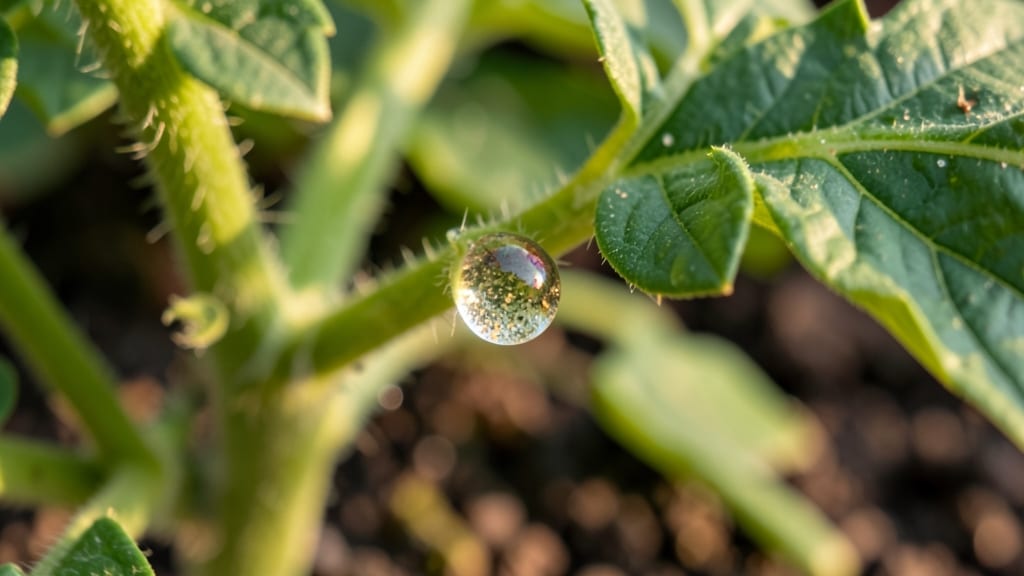
My homemade insect spray for tomato plants saved my garden from aphid infestations last summer—no harsh chemicals, just targeted protection. 🌱 The key is blending neem oil, garlic, and mild soap to create a potent yet plant-safe solution that works within 24 hours of application.
Unlike commercial sprays that often contain synthetic pesticides, this recipe uses ingredients you likely already have in your kitchen or pantry.
This spray tackles common tomato pests like aphids, whiteflies, and even early-stage hornworms without harming beneficial insects such as bees or ladybugs. The garlic acts as a natural repellent, while the neem oil disrupts pests' life cycles.
For best results, apply it in the early morning or late evening when bees are less active, and reapply every 7-10 days or after heavy rain.
You’ll notice fewer pests within a few days, and your tomato plants will start looking healthier almost immediately. The solution is gentle enough for organic gardens but strong enough to deter even stubborn infestations. Plus, it’s cost-effective—you’ll spend far less than on store-bought alternatives.
Whether you’re dealing with a small backyard garden or a larger plot, this spray adapts easily. Just adjust the quantities to fit your needs while keeping the same ratio of ingredients. Ready to give it a try? Here’s how to mix it up safely and effectively.
📚 In This Guide
- What you need
- Instructions
- Tips and common mistakes
- Wrapping up and next steps
What you need
- ● 1 gallon of water (distilled or boiled & cooled for best results)
- ● 1 tbsp liquid dish soap (unscented, like Dawn—no degreasers or bleach!)
- ● 1 tsp cayenne pepper (or 1 tbsp hot pepper sauce for extra kick)
- ● 1 tbsp vegetable oil (or neem oil for bonus pest-fighting power)
- ● 1 crushed garlic clove (or 1 tsp garlic powder)
- ○ 1 tsp black pepper (optional but adds extra repellent)
- ● Spray bottle or garden sprayer (16–32 oz for small batches, 1–2 gallons for larger areas)
- ● Fine-mesh strainer or cheesecloth (to filter out chunks if using fresh garlic/pepper)
- ● Wooden spoon or whisk (for mixing)
- ● Label & marker (to tag your spray—safety first!)
- ● Test spray on 1–2 leaves 24 hours before full application to check for sensitivity.
- ● Avoid spraying on hot days (can burn plants) or when tomatoes are ripe.
- ● Wear gloves if handling cayenne or garlic to avoid skin irritation.
Step-by-step instructions for making homemade insect spray for tomato plants
Here's my go-to recipe that's saved my tomato plants from aphids, whiteflies, and spider mites—no harsh chemicals needed.
🌱 Step 1: Gather and Mix the Base Ingredients
In a large bowl or bucket, combine 1 gallon of water with 1 tablespoon of mild liquid dish soap (like Castile soap). The soap helps the spray stick to pests instead of just rolling off their waxy bodies. I always use distilled water if possible—tap water minerals can irritate tomato leaves over time.
Stir gently until the soap dissolves completely. No suds should form—just a faint, even mixture. This base is gentle enough for edible plants but strong enough to deter pests. If you notice any residue on your hands, rinse immediately and dilute the mixture further.
💧 Step 2: Add Natural Pest-Repelling Agents
To the soap-water mixture, add 2 tablespoons of neem oil and 1 tablespoon of vegetable oil (like canola or olive oil). The neem oil disrupts pests' life cycles, while the vegetable oil coats their bodies, suffocating them. Stir well to emulsify—this prevents separation when you spray.
For extra strength against soft-bodied insects, add 1 teaspoon of garlic powder or 1 crushed garlic clove (strained). Garlic contains allicin, which repels pests and adds a natural antimicrobial boost. If using fresh garlic, blend it with a little water first to extract the active compounds.
☀️ Step 3: Strain and Transfer to a Spray Bottle
Strain the mixture through a fine-mesh sieve or cheesecloth into a 1-gallon spray bottle to remove any garlic pulp or undissolved particles. Fill the bottle completely—this ensures you have enough spray for 4 tomato plants (about 1 quart per application). Label the bottle clearly with the date and contents.
Shake the bottle vigorously before each use. The oils separate over time, so thorough mixing is critical. Test a small area on a leaf first—if you see any irritation after 30 minutes, dilute the mixture with an additional ½ cup of water before full application.
✂️ Step 4: Apply Spray at the Right Time and Conditions
Spray the mixture early in the morning or late afternoon when temperatures are below 85°F and the sun isn’t intense. Direct sunlight can burn leaves treated with oils. Focus on the undersides of leaves (where pests hide) and the stems, but avoid spraying flowers or fruit directly—this can harm pollinators and reduce plant productivity.
Apply until the leaves are lightly glistening, but don’t drench them. Reapply every 5-7 days or after rain, as the spray washes off. For severe infestations, spray twice daily for 3 days—consistency is key. Store any leftover spray in a cool, dark place for up to 1 week.
🌿 Step 5: Monitor and Maintain Tomato Plant Health
After spraying, keep an eye on your plants for 24 hours—look for any signs of stress like yellowing leaves or wilting. If you see pests returning, increase the frequency to every 3-4 days. Introduce beneficial insects like ladybugs or lacewings to create a balanced ecosystem in your garden.
Rotate this spray with other natural remedies like potassium soap spray or chili pepper spray to prevent pests from building resistance. Healthy tomato plants are your best defense—water deeply at the base, mulch to retain moisture, and remove any heavily infested leaves immediately to stop the spread.
Tips & tricks for perfect homemade tomato plant spray
Real talk: This spray works best when you pay attention to the little details that make all the difference between a half-hearted deterrent and a pest-fighting powerhouse. Here's what I've learned after saving my own tomato plants from total wipeout.
Soap Solution Matters: The 1 tablespoon of mild liquid dish soap is non-negotiable—it's what makes your spray actually stick to those waxy pest bodies. I've tried stronger soaps, and they can burn your tomato leaves. Castile soap is my go-to because it's gentle but effective. If you notice any residue on your hands after mixing, that's your cue to dilute with a little more water right away.
Oil Emulsification is Key: When you add the 2 tablespoons of neem oil and 1 tablespoon of vegetable oil, stir like your garden depends on it—because it does. The oils separate over time, so you'll need to shake that spray bottle vigorously before each use. For even better results, I blend the oils with a tiny bit of water first (just a splash) before adding to the soap mixture. This creates a more stable emulsion that won't separate as quickly.
Garlic Power Boost: That optional 1 teaspoon of garlic powder or 1 crushed garlic clove is where this spray gets its real punch. Fresh garlic works best, but if you're using powder, make sure it's food-grade. Pro tip: If you crush fresh garlic, blend it with a little water first to extract all that allicin goodness. Strain it well—you don't want garlic bits clogging your spray bottle or settling at the bottom.
Timing is Everything: The 30-minute test period on a leaf is crucial—don't skip it! This gives you time to spot any potential irritation before committing to full application. And remember, the 85°F temperature limit isn't just arbitrary. Hotter conditions can make the oils more potent than your plants can handle. Early morning or late afternoon applications give the spray time to dry completely before the sun intensifies.
Pro Tips for Homemade Insect Spray For Tomato Plants
- Real talk: This spray works best when you pay attention to the little details that make all the difference between a half-hearted deterrent and a pest-fighting powerhouse.
- Soap Solution Matters: The 1 tablespoon of mild liquid dish soap is non-negotiable—it's what makes your spray actually stick to those waxy pest bodies.
- Oil Emulsification is Key: When you add the 2 tablespoons of neem oil and 1 tablespoon of vegetable oil, stir like your garden depends on it—because it does.
Frequently asked questions
Got questions about keeping your tomato plants pest-free the natural way? You’re not alone! Here are some of the most common concerns—and straightforward answers—to help you spray with confidence.
How often should I spray my tomato plants with homemade insect spray?
Apply your homemade spray every 5–7 days or immediately after rain to maintain protection. For severe infestations, spray every 3–4 days until pests are gone. Consistency is key—think of it like a shield for your plants!
Can I use this spray on other vegetables besides tomatoes?
This spray is safe for peppers, cucumbers, beans, and herbs like basil and parsley. Just avoid using it on plants sensitive to garlic or chili oil (like onions or garlic itself). Always spot-test a small leaf first to be sure.
What if the spray doesn’t work? Should I try something stronger?
If pests persist after 2–3 weeks, reassess the infestation. For tougher bugs like aphids or hornworms, mix in a 1 tsp of dish soap (like Castile) for extra stickiness. Avoid chemical pesticides—stick to natural reinforcements like neem oil or kaolin clay for stubborn cases.
Is it safe to spray tomato plants in direct sunlight?
Nope! Spray early morning or late afternoon to prevent leaf burn from the sun’s intensity. The spray needs time to dry, and sunlight can turn it into a magnifying glass for your plants. Think of it like sunscreen for your tomatoes!
How long does the homemade spray last before it goes bad?
Store your spray in a clean, sealed spray bottle in the fridge for up to 5–7 days. If it smells funky or develops mold, toss it and make a fresh batch. Pro tip: Label it with the date to keep track!
Bonus Tip:
For extra pest prevention, interplant tomatoes with marigolds, basil, or nasturtiums. These companions naturally repel bugs, reducing the need for sprays. It’s like giving your garden a built-in security system!
Wrapping up and next steps
Making your own homemade insect spray for tomato plants is a simple, eco-friendly way to protect your garden without harsh chemicals. With just a few natural ingredients, you can keep pests at bay while nurturing healthier plants. 🌱
Now that you’re armed with this easy recipe, why not give it a try this season? Start small—test a batch on a few plants, observe the results, and adjust as needed. Happy gardening, and may your tomatoes thrive pest-free! 🍅✨
- Next step: Share your success (or tips!) with fellow gardeners—every healthy plant helps the community grow!