
Pests and Diseases
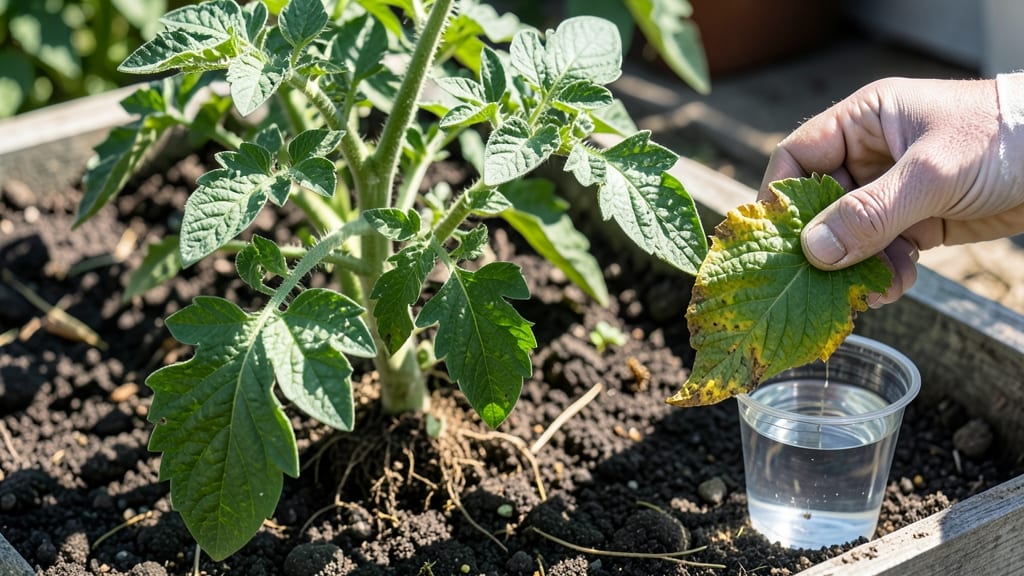
Your tomato plants are screaming for help when leaves curl up like this—and the cause is often hiding in plain sight. 🌱 I’ve seen gardeners lose entire harvests to silent pests or simple mistakes, but the good news is most fixes take less than 15 minutes.
The key? Spotting the real culprit before it ruins your plants.
Most curling starts with hidden pests—like tomato hornworms munching on leaves or spider mites sucking sap—or environmental stress from overwatering, drought, or nutrient burn. Early blight or viral infections can mimic these symptoms too, but the fixes differ completely.
I’ll walk you through how to tell them apart and what to do right now to save your plants.
By the end, you’ll know exactly how to revive your tomatoes—whether it’s handpicking pests, adjusting watering, or feeding them what they’re missing. The best part? Healthy plants mean more fruit, fewer surprises, and a garden that actually thrives instead of struggles.
We’ll also cover preventive tricks that keep your tomatoes lush all season, so you’re not scrambling next year. Let’s get those leaves flat and your plants back on track!
Hidden Triggers Behind Curling Leaves
Tomato leaves curling up can feel like a mystery—until you uncover the real culprits lurking in your garden. From tiny invaders to environmental stressors, several factors can cause this frustrating symptom.
Let’s break down the science behind why your tomato plants are sending up distress signals in the form of curled leaves.
Some of the most common culprits are pests that feed on plant sap, disrupting nutrient flow and causing leaves to curl as a defense mechanism. Here’s who’s likely to blame:
- Spider Mites 🕷️
These microscopic arachnids thrive in hot, dry conditions and pierce leaves to suck out sap. Their feeding weakens the plant, leading to curled, yellowed, or stippled leaves. Check the undersides of leaves for fine webbing—a dead giveaway.
- Whiteflies ✈️
These tiny, white, moth-like insects cluster on the undersides of leaves, excreting sticky honeydew that attracts mold. Their feeding disrupts photosynthesis, causing leaves to curl upward and stunt growth. Wave a white piece of paper near the plant—if they flutter away, you’ve found them.
- Aphids 🐜
These sap-sucking insects cluster on new growth, distorting leaves as they feed. Look for curled, puckered leaves or sticky residue (honeydew). Aphids often appear in colonies, especially on tender young leaves.
💡 Pro Tip: Early detection is key! Use a magnifying glass to spot tiny pests before they cause irreversible damage. A strong blast of water or insecticidal soap can dislodge many of these invaders.
Tomatoes are heat-loving plants, but when temperatures swing too high or too low, their leaves curl as a survival tactic. Here’s how to spot environmental stress:
- Heat Stress 🔥
When daytime temperatures exceed 90°F (32°C), tomato leaves may curl upward to reduce water loss through transpiration. This is especially common in containers or during droughts. Look for crispy edges or wilting in the afternoon.
- Cold Stress ❄️
Frost or temperatures below 50°F (10°C) can cause leaves to curl inward as a protective measure. Young plants are most vulnerable. If leaves also show brown or blackened spots, frost damage is likely.
- Wind Burn 💨
Strong winds dry out leaves quickly, leading to curling and scorch marks. Plants in exposed areas or tall varieties are at higher risk.
🌡️ Quick Fix: Provide shade cloth during heatwaves or use row covers for overnight frost protection. Mulching helps regulate soil temperature and retains moisture.
Watering issues are a top cause of leaf curling, often tied to root stress. Tomatoes hate soggy roots or drought conditions—both can trigger this symptom.
- Underwatering 💦
When soil dries out, roots struggle to absorb water, causing leaves to curl and feel dry or crispy. This is common in sandy soils or during heatwaves. Check soil moisture by sticking your finger 1–2 inches deep; if it’s dry, water deeply.
- Overwatering 🌧️
Excess water cuts off oxygen to roots, leading to root rot and nutrient deficiencies. Curled leaves may also appear yellow or mushy. Ensure pots have drainage holes and avoid watering on a schedule—stick to the "finger test."
- Uneven Watering 🔄
Fluctuating moisture levels (e.g., heavy watering followed by drought) confuse plants, causing leaves to curl as they struggle to balance hydration. Aim for 1–1.5 inches of water per week, delivered consistently.
✨ Expert Hack: Use drip irrigation or soaker hoses to deliver water directly to the roots, reducing evaporation and stress. Early morning watering prevents fungal issues too.
Tomatoes are heavy feeders, and imbalances in nutrients can cause leaves to curl as the plant signals distress. Here’s what to watch for:
- Nitrogen Deficiency 🌱
Yellowing lower leaves paired with curling can indicate a lack of nitrogen, essential for leaf growth. Soil tests can confirm, but a balanced fertilizer (like 10-10-10) can help.
- Potassium Deficiency ⚡
Curling leaves with brown edges or weak stems may signal low potassium, which regulates water and nutrient transport. Add compost or a potassium-rich fertilizer (like banana peel tea) to remedy.
- Salt or Chemical Burn 🧴
Over-fertilizing or using tap water high in chlorine/sodium can cause leaf curl and tip burn. Flush soil with plain water and avoid fertilizing during drought stress.
📊 Test Your Soil: A simple DIY soil test kit (or lab analysis) can reveal deficiencies before they spiral. Adjust fertilizers gradually to avoid overcorrecting.
Now that you know the science behind curling leaves, you’re one step closer to diagnosing—and fixing—the problem in your tomato patch! Stay tuned for actionable solutions in the next section.
Quick Fixes for Curling Tomato Leaves
Now that you know the culprits behind your tomato leaves curling up—whether it’s pests, disease, or environmental stress—it’s time to take action! The good news? Most issues are fixable with the right approach.
Below, we’ve mapped out practical, step-by-step solutions tailored to each cause, plus prevention tips to keep your plants thriving. Let’s get your tomatoes back to their happy, healthy selves!
If aphids, spider mites, or whiteflies are the culprits, act fast before they spread.
🔥 Step 1: Isolate the Problem
- Remove severely infested leaves (especially the bottom ones) and dispose of them in a sealed trash bag—not the compost! 🗑️
- Quarantine affected plants if possible to prevent cross-contamination.
🍳 Step 2: Blast Them Away (Non-Chemical First!)
- Spray with water: A strong hose blast (especially in the early morning) can knock off aphids and spider mites. 💦
- Neem oil solution: Mix 1 tbsp neem oil + 1 tsp mild soap + 1 quart water.
Spray under leaves (where pests hide) every 5–7 days until gone. 🌿 - Insecticidal soap: Use a store-bought or homemade version (1 tsp castile soap + 1 quart water). Test on a small leaf first to avoid burning.
👨🍳 Step 3: Introduce Beneficial Predators
- Ladybugs, lacewings, or predatory mites love munching on pests. Buy them online or attract them with dill or fennel plants nearby. 🐞
- Release them at dusk when pests are less active.
🌡️ Prevention Tips
- Inspect new plants before bringing them home (especially if buying from nurseries).
- Use reflective mulch (like aluminum foil) to deter whiteflies.
- Encourage biodiversity—healthy soil and companion plants (like basil or marigolds) repel pests naturally.
If your tomatoes are wilting or curling from too much sun or heat, shade and hydration are key.
🌳 Step 1: Provide Shade
- Use shade cloth (30–50% coverage) if temps exceed 90°F (32°C). 🌞
- Plant near taller crops (like corn or sunflowers) to create natural shade.
- Move pots to a spot with afternoon shade if growing in containers.
💦 Step 2: Water Deeply & Consistently
- Water at the base (not the leaves) early in the morning to reduce evaporation. 🌱
- Use mulch (straw or grass clippings) to retain moisture and cool roots.
- Avoid wetting leaves at night to prevent fungal issues.
✨ Prevention Tips
- Choose heat-tolerant varieties like ‘Solar Fire’ or ‘Heatmaster’ if you live in a hot climate.
- Avoid overhead sprinklers—they can scorch leaves.
- Monitor soil moisture with your finger—1–2 inches deep should be slightly damp.
Tomatoes are thirsty but hate soggy roots—find that Goldilocks zone!
🔥 Step 1: Check the Soil
- Stick your finger 1–2 inches deep—if it’s bone-dry, water deeply. If it’s muddy, hold off until it dries slightly. 🌱
- Use a moisture meter for accuracy (especially in pots).
🍳 Step 2: Adjust Your Watering Routine
- Drip irrigation or soaker hoses deliver water directly to roots without wetting leaves. 💧
- Water in the morning so leaves dry by evening (prevents disease).
- For containers, ensure pots have drainage holes and water when the top 1 inch is dry.
🎯 Prevention Tips
- Group plants together to create a microclimate that retains moisture.
- Avoid letting soil dry out completely—tomatoes hate drought stress!
- Self-watering pots are a game-changer for busy gardeners.
If early blight, late blight, or powdery mildew are curling your leaves, act fast to save your harvest.
🔪 Step 1: Prune & Remove Infected Parts
- Cut off affected leaves (including any with spots or powdery residue) and sterilize pruners with rubbing alcohol. ⚰️
- Do NOT compost diseased plants—bag them and toss them.
💦 Step 2: Improve Airflow & Reduce Humidity
- Space plants 18–24 inches apart for better airflow. 🌬️
- Avoid overhead watering—use drip irrigation instead.
- Water at the base early in the day so foliage dries quickly.
🌡️ Step 3: Apply Fungicides (Organic or Chemical) - Baking soda spray: Mix 1 tsp baking soda + 1 tsp oil + 1 quart water + a drop of soap.
Spray every 7–10 days. 🧂 - Copper fungicide (like Bordeaux mixture) for blight prevention. - Neem oil (as mentioned earlier) also helps prevent fungal spores.
🔥 Prevention Tips
- Rotate crops—don’t plant tomatoes in the same spot yearly.
- Choose resistant varieties (e.g., ‘Mountain Merit’ for blight resistance).
- Clean up debris at the end of the season to remove overwintering spores.
If curling is due to nitrogen, potassium, or magnesium issues, a little TLC will turn things around.
📊 Step 1: Test Your Soil
- Use a home soil test kit (or send a sample to a local extension office) to identify deficiencies. 🧪
💪 Step 2: Amend the Soil
- Nitrogen deficiency? Add compost, fish emulsion, or a balanced fertilizer (10-10-10).
- Potassium deficiency? Use wood ash, banana peels (composted), or a potassium-rich fertilizer (like 0-0-50).
- Magnesium deficiency? Sprinkle Epsom salt (1 tbsp per gallon of water) every 2 weeks.
🍎 Prevention Tips
- Fertilize regularly (every 2–3 weeks) during the growing season.
- Avoid over-fertilizing—more isn’t always better!
- Use organic matter (like worm castings) for slow-release nutrients.
Final Pro Tip: 💡 Keep a garden journal! Note what you’ve tried, when you watered, and any pest sightings. This helps you spot patterns and adjust next season.
With these fixes, your tomato plants should bounce back in no time—and you’ll be on your way to a bountiful, pest-free harvest! 🍅🌟
Frequently asked questions
Why do tomato leaves curl upward instead of downward?
Upward curling often signals heat stress or sap-sucking pests like spider mites, while downward curling usually means overwatering or root issues. Heat causes leaves to cup upward to reduce water loss, while pests disrupt nutrient flow. Check for webbing or tiny bugs on undersides to confirm.
Can curled tomato leaves still produce fruit?
Yes, but severe curling may reduce yield. If caused by pests or disease, treat immediately to save remaining flowers/fruit. Environmental stress (like heat) is less damaging to production. Focus on fixing the root cause before flowering begins for best results.
How do I tell if my tomato leaves are curling from pests or disease?
Pests (like aphids) cause sticky residue or visible bugs, while diseases (like early blight) show spots or powdery growth. Check leaf undersides for webbing (mites) or clusters (whiteflies). Diseases often appear as concentric rings or mold—isolate affected plants immediately.
Will pruning curled leaves help my tomato plant recover?
Yes, but only if the curling is from pests or disease. Remove severely affected leaves to redirect energy. For environmental stress (like heat), pruning won’t help—focus on shade and water instead. Always sterilize pruners with rubbing alcohol to prevent spreading issues.
Can I save my tomato plant if the curling has spread to most leaves?
It depends! If caught early, most issues are reversible. For pests, neem oil or insecticidal soap works fast. For disease, prune aggressively and use copper fungicide. If leaves are crispy/brown, the plant may be beyond saving—but focus on protecting nearby plants to prevent spread.