
Pests
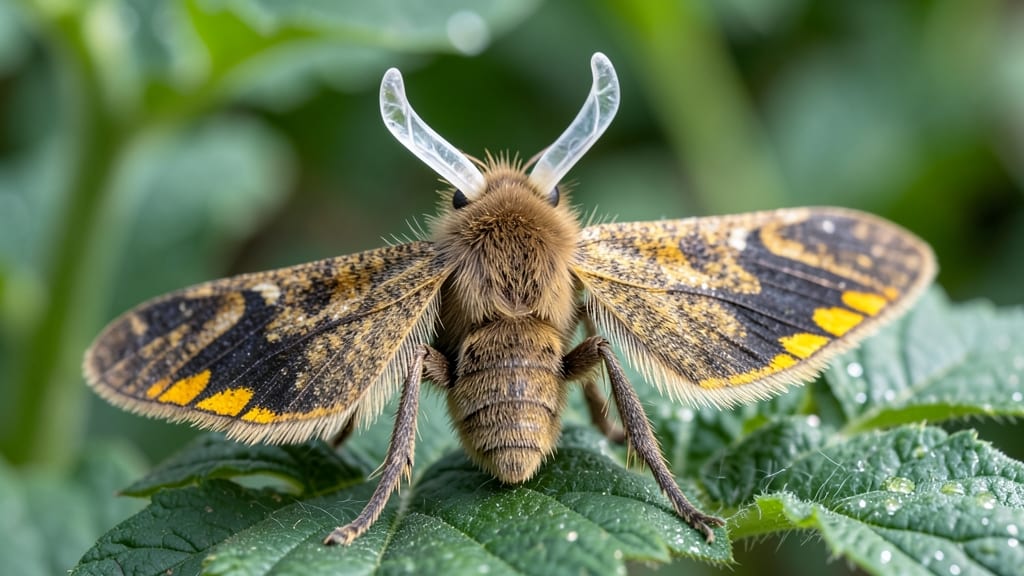
The horned tomato worm moth's larvae can strip your tomato plants bare in days. 🌱 I've watched these striped bandits devour entire leaves overnight—until I learned the organic tricks that keep them in check without chemicals.
The key is early detection: look for large green caterpillars with black "horns" and white stripes. These guys grow fast, but so do their natural predators—parasitic wasps and ladybugs—that will handle them if you give them a chance.
Handpicking works too, but you'll need to act before the damage gets out of control. What you end up with is tomato plants that stay lush and productive all season. The secret isn't complicated—it's about timing, observation, and letting nature do most of the work.
Your tomatoes will thank you with bigger, sweeter fruit.
Here's the thing—most gardeners don't realize how quickly hornworms multiply. One caterpillar can become dozens in a week, and by then, it's too late for simple fixes. The good news? These moths are easy to spot if you check your plants regularly, especially in the morning when they're sluggish.
Between you and me, the most effective strategy combines handpicking with introducing beneficial insects. I've seen gardens where hornworms were completely eradicated just by encouraging wasps and ladybugs to move in. It takes patience, but the results are worth it—no more skeletonized leaves or stunted growth.
This works for backyard gardens, raised beds, and even container-grown tomatoes. The same principles apply whether you're growing heirlooms or hybrids. The only difference is scale—smaller gardens need less intervention, but the approach stays the same.
The Hidden Triggers Behind Moth Infestations
If your garden has fallen victim to the horned tomato worm moth (scientific name: Manduca sexta), you’re not alone—these striking caterpillars can wreak havoc on tomato plants, peppers, and eggplants. But why do these pests suddenly appear in such force?
Understanding the root causes helps you take proactive steps to prevent them. Below, we break down the key factors that turn your garden into a moth buffet.
The horned tomato worm moth isn’t just attracted to healthy plants—it’s drawn to ripe, soft, or injured fruit. Here’s why:
- Sugar and scent signals: Overripe tomatoes emit higher levels of volatile organic compounds (VOCs), which moths detect from miles away. These chemicals act like a neon sign, screaming, “Eat me!”
- Easy entry points: Cracks, bruises, or punctures in fruit create weak spots where moths lay eggs. A single egg batch can hatch into 20+ caterpillars devouring your harvest.
- Nutrient-rich feast: Ripe fruit is packed with sugars and water—perfect fuel for growing larvae. Moths prioritize these “high-value” targets over tougher, unripe produce.
Actionable fix: Harvest tomatoes before they fully ripen (if possible) or remove overripe ones immediately. Use fruit cages or row covers to block access.
A cluttered or neglected garden is an open invitation for moths. Here’s how mess contributes:
- Debris as shelter: Leaf litter, fallen fruit, and plant residues provide hiding spots for adult moths to lay eggs undetected. Dark, damp areas mimic their natural habitats.
- Weakened plants: Stressed plants (from overwatering, drought, or poor soil) produce more attractive chemical signals to pests, including moths.
- Year-round food sources: If your garden never “resets,” moths have a consistent food supply. For example, leaving volunteer tomato plants or composting fruit scraps can extend their feeding window.
Actionable fix:
- Clear garden beds of all plant debris, especially after harvest.
- Rotate crops annually to disrupt moth life cycles.
- Avoid composting fruit with seeds—opt for a separate “green waste” bin.
The horned tomato worm moth’s life cycle is highly seasonal, and its timing aligns with your garden’s peak vulnerability:
| Stage | When It Happens | Why It Matters |
|---|---|---|
| Adult moth emergence | Late spring to early summer (varies by climate) | Females lay eggs on leaves near ripe fruit. Warmer nights trigger mating. |
| Egg hatching | 3–7 days after laying (faster in heat) | Caterpillars emerge en masse, overwhelming plants within days. |
| Peak feeding | Summer (June–August in most regions) | Larvae grow rapidly—eating 10x their body weight daily. |
| Pupation | Late summer/early fall | Moths burrow into soil to overwinter, emerging next year. |
Actionable fix:
- Monitor plants weekly during peak season (use a flashlight at dusk to spot eggs).
- Set up pheromone traps in early summer to disrupt mating.
- Apply organic sprays (like Bt) before eggs hatch.
Moths thrive in specific conditions. If your garden matches these, you’re in their sweet spot:
- Warm, humid nights: Moths are nocturnal and prefer temperatures above 70°F (21°C). Greenhouses or south-facing beds trap heat, accelerating their activity.
- Windbreaks or dense foliage: Sheltered areas protect eggs and larvae from predators (like birds) and drying winds. Think: trellised tomatoes or thick basil borders.
- Urban heat islands: Cities with paved surfaces retain heat, creating “moth-friendly” microclimates even in cooler regions.
Actionable fix:
- Improve airflow with pruning or spaced planting.
- Use reflective mulch (like aluminum foil) to deter moths from laying eggs.
- Plant moth-repelling companions (e.g., marigolds, thyme) near vulnerable crops.
💡 Pro Tip: Combine these strategies for maximum impact. For example, prune plants + remove ripe fruit + use row covers creates a multi-layered defense. The key is disrupting their life cycle at every stage—from egg to adult moth.
Practical Ways To Control Them
Now that you understand what attracts these spiky caterpillars (or their moth parents) to your garden, let’s tackle the problem with effective, organic solutions. Whether you’re dealing with larvae munching your tomatoes or moths laying eggs, these methods will help you regain control—without harsh chemicals.
Prevention starts with early detection. The horned tomato worm moth’s eggs are tiny and often hidden on the undersides of leaves. Here’s how to spot and stop them:
- 🔍 Inspect leaves daily (especially after dusk, when moths are most active).
Look for tiny white or yellow clusters—these are egg masses. - 🧼 Scrape them off with a soft brush or your fingernail, then drown them in soapy water (1 tsp dish soap per gallon). - 🌿 Prune heavily infested foliage and dispose of it in a sealed bag (don’t compost it!).
💡 Pro Tip: Use a flashlight at night—moths are attracted to light, and you might spot them laying eggs in real time!
If you’ve already got spiky green caterpillars on your plants, don’t panic—they’re easy to remove by hand. Here’s how:
- 🕵️♂️ Wait until morning when they’re sluggish (they’re most active at night).
- 🧤 Wear gloves (those spines hurt—trust us!).
- 🖐️ Gently pluck them off and drop them into a bucket of soapy water (they’ll drown instantly).
- 🌿 Repeat every 2-3 days—new larvae hatch constantly!
✨ Bonus: If you’re squeamish, wear long sleeves and use tweezers for extra precision.
Instead of fighting these caterpillars alone, enlist the help of their natural enemies:
| Predator | How to Attract Them | Effectiveness |
|---|---|---|
| Parasitic Wasps | Plant dill, fennel, or marigolds—they love these flowers. | ⭐⭐⭐⭐⭐ |
| Ladybugs | Buy them online or plant nasturtiums to lure them. | ⭐⭐⭐⭐ |
| Birds (like chickadees) | Install a bird feeder near your garden. | ⭐⭐⭐⭐ |
| Ground Beetles | Keep mulch thin and dry—they thrive in open soil. | ⭐⭐⭐ |
💡 Pro Tip: Avoid broad-spectrum pesticides—they kill beneficial insects too!
If your garden is already under siege, block their access with these low-tech solutions:
- 🧵 Row covers (floating fabric) – Lightweight floating row covers (like Agribon) block moths from laying eggs while letting pollinators (like bees) through. - 🕯️ Pheromone traps – These moth-specific traps mimic female pheromones, luring males away from your plants.
(Available at garden centers.) - 🍎 Sticky traps with light – Hang a UV light trap near your garden to catch adult moths before they reproduce.
⏰ Best Time to Use Traps: Set them up at dusk when moths are most active.
If you prefer a spray solution, these natural repellents work well:
| Solution | How to Use | Reapply Every |
|---|---|---|
| Neem oil spray | Mix 1 tbsp neem oil + 1 tsp soap + 1 quart water. Spray directly on larvae & leaves. | 5-7 days |
| Bacillus thuringiensis (Bt) | Sprinkle Bt powder on leaves (kills larvae when eaten). | 7-10 days |
| Garlic & chili spray | Blend 3 garlic cloves + 1 chili pepper + 1L water. Strain and spray. | 3-4 days |
| Soap spray | 1 tbsp castile soap + 1 quart water. Spray directly on caterpillars. | 2-3 days |
🌡️ Best Time to Spray: Early morning or late evening (avoids harming bees).
Once you’ve dealt with an infestation, keep them away for good with these long-term strategies:
- 🌻 Plant trap crops – Grow basil, marigolds, or dill away from your tomatoes to distract moths.
- 🌙 Use blacklights at night – Moths are drawn to light; a UV bulb can trap them before they lay eggs.
- 🕯️ Avoid overwatering – Wet leaves attract egg-laying moths.
- 🌿 Rotate crops – Don’t plant tomatoes in the same spot every year (moths remember!).
- 🧹 Clean up debris – Remove fallen leaves & plant waste where eggs hide.
✅ Morning inspections (check for eggs & larvae daily). ✅ Handpick caterpillars (wear gloves!). ✅ Use row covers for heavy infestations. ✅ Attract predators (wasps, ladybugs, birds). ✅ Spray neem oil or Bt as a last resort. ✅ Prevent future outbreaks with trap crops & clean garden habits.
With these organic, hands-on methods, you’ll keep your tomato plants safe—and enjoy spine-free harvests all season! 🍅🚫🐛
Frequently asked questions
Are horned tomato worm moths harmful to other plants besides tomatoes?
Yes! While they love tomatoes, these caterpillars will also feast on peppers, eggplants, potatoes, and even tobacco plants. The key is to monitor all nightshade family members, not just your tomatoes. Their spines make them easy to spot, so check leaves regularly on vulnerable plants.
How do I know if I have horned tomato worm moth eggs vs. something else?
Look for tiny, white or yellow clusters on leaf undersides—these are their eggs. They’re usually laid in neat rows and can be as small as a pinhead. Compare them to aphids (which are tiny black dots) or spider mites (almost invisible webs). Use a magnifying glass if needed!
Will handpicking really work, or will more caterpillars keep coming?
Handpicking is highly effective if you’re consistent! These caterpillars hatch in waves, so check plants every 2-3 days during peak season (June-August). Pair it with removing egg masses and attracting natural predators like parasitic wasps for best results. Just one missed egg cluster can mean dozens of caterpillars later!
Can I use coffee grounds to repel horned tomato worm moths?
Yes, but with caution! Sprinkling used coffee grounds around plants creates a natural barrier that moths dislike. However, it’s most effective when combined with other methods like neem oil or row covers. The caffeine in coffee can also benefit some plants—just keep it away from seeds you want to plant.
What should I do if I find a horned tomato worm moth pupa in my soil?
Don’t panic—it’s already in its dormant stage! Simply remove it from your garden soil and dispose of it in soapy water. These pupae can overwinter, so preventing them from emerging next year is key. Check soil around tomato plants in late summer/early fall when they’re most active.