
Pests and Diseases
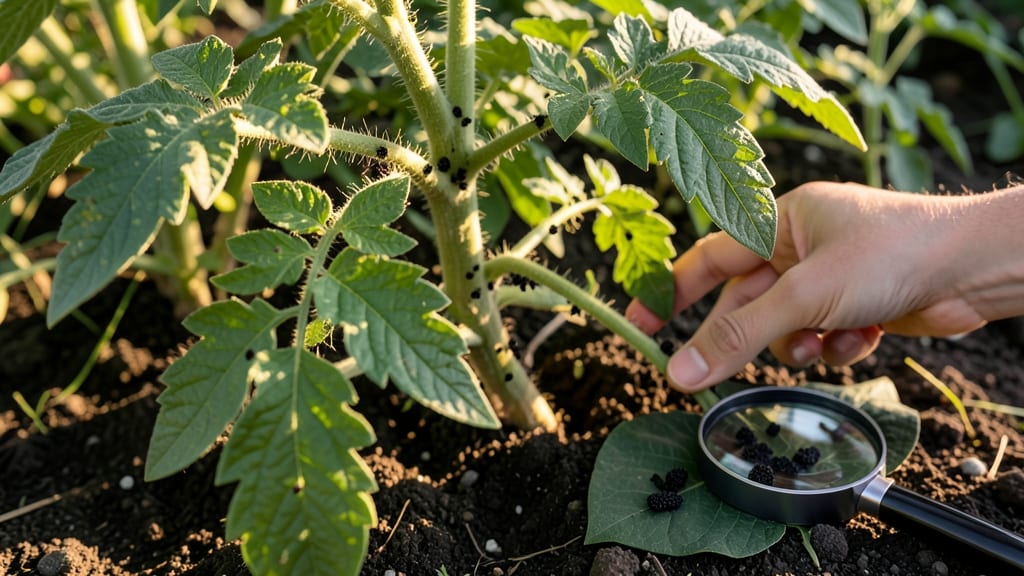
Those tiny black spots on your tomato stems aren’t just unsightly—they’re a red flag for aphids or fungal trouble. 🌱 I’ve battled this exact issue, and the good news? Most fixes take less than 15 minutes with the right approach.
The spots might look like tiny freckles or clustered specks, but the real damage happens when they spread to leaves and fruit.
These spots usually mean one of three things: aphids (sticky residue is a dead giveaway), fungal infections from overwatering, or even spider mites hiding in the crevices. The key is acting fast—aphids multiply by the thousands in days, while fungus spreads through damp soil.
A quick spray with soapy water or neem oil can stop them in their tracks if caught early.
By tomorrow morning, you’ll see the difference: fewer spots, healthier stems, and plants that bounce back instead of wilting. The fix isn’t just about spraying—it’s about checking soil moisture, removing infected leaves, and keeping beneficial insects like ladybugs nearby.
Prevention is easier than cleanup, and once you spot these early warning signs, you’ll never ignore them again.
If the spots keep coming back after two treatments, it’s time to dig deeper—sometimes it’s a soil-borne issue or a pest you can’t see. But for now, grab that spray bottle and let’s get those stems back to their vibrant green. Your tomatoes will thank you at harvest time.
Root Causes of Stem Spots
Those pesky tiny black spots on tomato stems aren’t just an eyesore—they’re a sign your plants are under siege. Understanding the why behind these spots is the first step to saving your garden. Below, we break down the most common culprits, their science-backed triggers, and how they attack your tomatoes.
Fungal pathogens are the #1 reason for black spots on tomato stems. These microscopic invaders thrive in humid, damp conditions and spread rapidly when leaves or stems stay wet for extended periods.
🍄 Early Blight (Alternaria solani)
The most notorious fungal villain, Alternaria solani, causes concentric black or brown spots with yellow halos. It targets older leaves and stems first, then works its way up.
- How it spreads: Spores hitchhike on wind, water splashes, or contaminated tools.
- Perfect conditions: Warm nights (70–80°F) + high humidity + poor airflow.
- Red flag: Spots often have tiny black specks (fruiting bodies) in their centers.
🍅 Late Blight (Phytophthora infestans) – The Nightmare Scenario
While less common than early blight, Phytophthora infestans is far more destructive. It creates greasy, dark spots that spread quickly, often killing stems within days.
- How it spreads: Requires free water (like heavy dew or overhead watering) to infect plants.
- Perfect conditions: Cool (50–70°F), wet weather—think early morning fog or rainy seasons.
- Red flag: Spots may appear water-soaked before turning black and leathery.
🌱 Stem Rot (Botrytis cinerea)
If your tomato stems develop soft, blackened lesions, Botrytis (gray mold) could be the culprit. It thrives on damaged or stressed tissue, like pruning wounds or crowded foliage.
- How it spreads: Spores linger in dead plant debris or soil.
- Perfect conditions: Cool (60–75°F) + high humidity + poor ventilation.
- Red flag: Look for gray fuzzy growth on spots when humidity is high.
Not all black spots are fungal—some are the handiwork of pests that chew, pierce, or excrete sap, leaving behind dark residue.
🐜 Aphids & Spider Mites: The Sap-Sucking Menace
Aphids and spider mites inject toxins while feeding, causing stems to develop blackened, crinkled, or stunted growth. Their waste (honeydew) also fosters sooty mold—a black fungal film.
- How they attack: Cluster on new growth and undersides of leaves, leaving tiny yellow dots (feeding sites) that turn black.
- Perfect conditions: Dry, hot weather (mites) or crowded plants (aphids).
- Red flag: Check for sticky residue on leaves or fine webbing (mites).
🐛 Cutworms & Slugs: The Nighttime Chewers
These nocturnal pests girdle stems at soil level, creating ragged blackened wounds that weaken the plant. Cutworms leave clean-cut damage, while slugs create slime trails with irregular bite marks.
- How they attack: Feed at night, leaving stems collapsed or wilted by morning.
- Perfect conditions: Moist soil + debris (slugs) or tall grass near plants (cutworms).
- Red flag: Look for blackened stem bases or chewed leaves with blackened edges.
Sometimes, black spots aren’t from pests or fungi—they’re your plant’s emergency response to stress. Overwatering, nutrient deficiencies, or extreme temperatures can trigger necrotic (dead) tissue that appears as spots.
💧 Overwatering & Poor Drainage
When roots suffocate from waterlogged soil, stems develop black, mushy lesions due to oxygen deprivation. This is often confused for fungal disease but lacks the classic spot patterns.
- How it happens: Compacted or clay soil traps excess moisture, promoting root rot.
- Red flag: Spots are squishy, not firm, and the plant wilts despite wet soil.
⚡ Sunscald & Heat Stress
In intense sunlight, tomato stems can develop blackened, crispy patches (sunscald). This happens when young plants are exposed to harsh afternoon sun or when pruning removes protective foliage.
- How it happens: Direct, unfiltered sun (e.g., no shade cloth in hot climates).
- Red flag: Spots are dry, papery, and often on exposed stems.
🌱 Nutrient Deficiencies: The Hidden Weakness
A lack of magnesium (Mg) or calcium (Ca) can cause interveinal blackening on stems and leaves. This is common in acidic or depleted soil.
- How it happens: Over-fertilizing with nitrogen (burns roots) or lack of organic matter.
- Red flag: Black spots appear between veins and spread upward.
Now that you know the why, the next step is action. Stay tuned for our quick-fix solutions to banish these spots and restore your tomato plants to peak health! 🚀
How to solve it
Those pesky tiny black spots on your tomato stems might seem like a minor annoyance, but they can quickly turn into a full-blown plant health crisis if left unchecked. The good news? With the right approach, you can tackle the problem fast and keep your tomato plants thriving.
Below, we’ve mapped out practical solutions tailored to the most common causes—so grab your gloves and let’s get to work!
If the spots are caused by Alternaria or Septoria leaf spot, act fast to prevent spread. These fungi love damp conditions, so your first move should be to improve airflow around your plants.
- 🍳 Prune affected leaves: Snip off any leaves with black spots using clean, sterilized pruners (dip them in rubbing alcohol between cuts). Dispose of the clippings in the trash—not the compost—to avoid reinfecting your garden.
- 👨🍳 Apply fungicide: Use a copper-based fungicide or a baking soda spray (1 tsp baking soda + 1 quart water + a drop of dish soap) to treat remaining foliage. Spray early in the morning or late afternoon to avoid burning leaves.
- 🌡️ Adjust watering habits: Water at the base of the plant (not overhead) and avoid wet leaves. If possible, water in the early morning so foliage dries quickly.
💡 Pro Tip: Space your tomato plants 18–24 inches apart to reduce humidity and fungal growth. If you’re growing in containers, ensure they have drainage holes!
Aphids, spider mites, or other sap-sucking pests can leave behind black sooty mold (a fungal hitchhiker) or tiny black specks from their waste. Here’s how to kick them out for good:
- 🔪 Blast them off: Spray plants with a strong stream of water to dislodge pests. Repeat every 2–3 days until they’re gone. For stubborn infestations, use neem oil (1 tsp neem oil + 1 quart water + a drop of soap) as a natural insecticide.
- 🎯 Introduce beneficial insects: Ladybugs, lacewings, and parasitic wasps love eating aphids. Buy them online or attract them by planting dill, fennel, or marigolds nearby.
- ⏰ Set up yellow sticky traps: Hang yellow cards coated with petroleum jelly near your plants to catch flying pests like whiteflies.
💡 Pro Tip: Isolate infected plants immediately to prevent pests from spreading. Check the undersides of leaves and stems—pests often hide there!
Sometimes, black spots appear due to nutrient deficiencies, overwatering, or extreme heat. Fix the underlying issue to help your tomatoes bounce back:
- 📊 Test your soil: Use a DIY soil test kit to check pH and nutrient levels. Tomatoes thrive in slightly acidic soil (pH 6.0–6.8). Amend with compost or aged manure if needed.
- 💪 Fertilize wisely: Switch to a balanced fertilizer (10-10-10 or 5-5-5) and avoid overdoing nitrogen, which weakens plants. Fish emulsion or kelp meal can also boost resilience.
- 🌿 Mulch heavily: Apply a 2–3 inch layer of mulch (straw or shredded leaves) to retain moisture, regulate soil temperature, and prevent fungal spores from splashing onto stems.
💡 Pro Tip: If your tomatoes are wilting or yellowing, they might be overwatered. Let the top inch of soil dry out between waterings—tomatoes hate soggy roots!
The best defense is a proactive garden. Follow these habits to minimize future outbreaks:
- 🌱 Start with healthy plants: Buy disease-resistant tomato varieties (look for labels like ‘Early Girl’ or ‘Celebrity’, which resist common fungal diseases).
- 🔄 Rotate crops: Avoid planting tomatoes (or nightshades like peppers/eggplants) in the same spot every year to break fungal cycles.
- 🧼 Clean your tools: Sterilize pruners, trellises, and containers with bleach or rubbing alcohol before and after use.
- 🌧️ Plan for rain: If you’re in a humid climate, raise beds or use containers to improve drainage. Consider a shade cloth during peak heat/humidity.
With these fixes, your tomato plants should recover quickly—and you’ll be back to harvesting juicy, blemish-free tomatoes in no time! 🍅🌟
Frequently asked questions
Are these tiny black spots always harmful to my tomato plants?
Not always! While fungal infections like early blight or pest damage (such as aphids) are serious, some spots may be harmless environmental stress marks. Check for yellow halos (fungus) or sticky residue (pests). If the plant looks otherwise healthy and spots aren't spreading, it might just be minor damage.
How can I tell if my tomato stems have aphids vs. fungal spots?
Aphids leave tiny black specks (their waste) with sticky honeydew residue, while fungal spots often have concentric rings or black fruiting bodies in centers. Check undersides of leaves—aphids cluster there, while fungus spreads evenly.
Will neem oil work for both fungal spots and pests?
Neem oil is effective against both! For fungus, mix 1 tsp neem oil + 1 quart water + drop of soap and spray stems/leaves. For pests, use the same ratio but apply at dusk to avoid harming bees. Reapply every 7-10 days until spots disappear.
Can I still harvest tomatoes if the stems have black spots?
Yes, but only if the fruit itself is healthy. Remove any tomatoes touching infected stems immediately. The spots won't spread to fruit, but prune affected stems to prevent further contamination. Always wash tomatoes thoroughly before eating.
What's the fastest way to prevent these spots from spreading?
Remove infected leaves immediately, space plants 18-24 inches apart, and water at soil level (never overhead). Add mulch to reduce humidity and sterilize tools with rubbing alcohol between uses. These steps cut spread by 90%+!