
How To
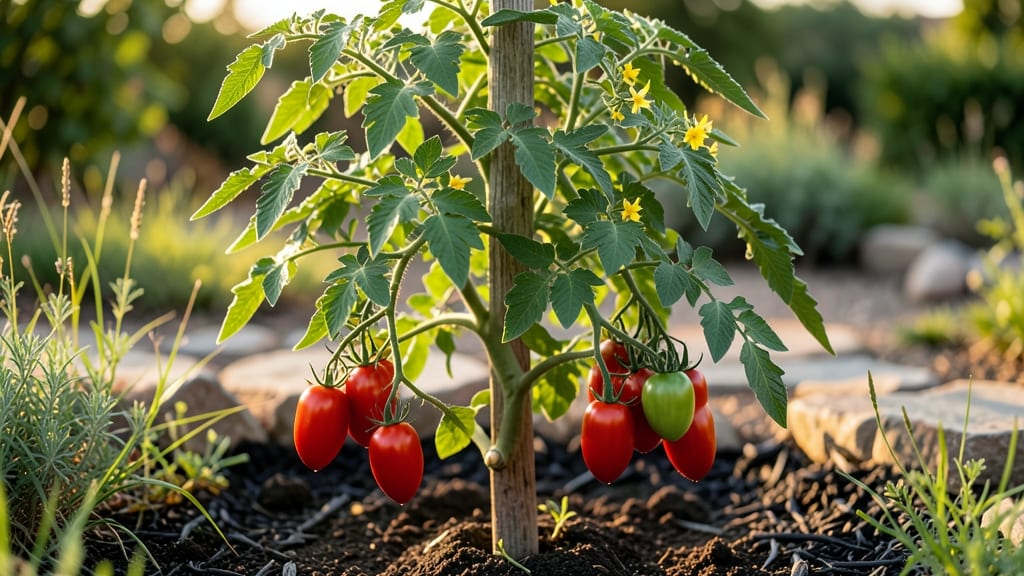
A Roma tomato plant grows between 3 to 6 feet tall, but whether it stays compact or climbs like a vine depends entirely on whether it’s determinate or indeterminate.
If you're planning your garden layout or choosing containers for Roma tomatoes, knowing their mature height is critical—because these plants behave very differently depending on their type.
Determinate varieties top out around 3 to 5 feet, making them perfect for small spaces or containers, while indeterminate types can stretch to 10 feet or more if left unsupported. That’s a big difference for spacing and support needs!
Below, I’ll break down the height differences, how to control growth, and the best ways to support your 🍅 plants for maximum yield—no matter which type you’re growing.


Determinate Roma tomato plant height: compact growth habits explained
If you're growing Roma tomatoes, you've likely noticed these plants have a distinct growth pattern compared to other varieties. Determinate Roma tomatoes are famous for their compact, bushy structure, typically reaching 3 to 5 feet tall at maturity.
This makes them ideal for small gardens, containers, and urban spaces where vertical growth isn't an option. Their predictable height also means you can plan your garden layout with confidence, knowing they won't sprawl uncontrollably.
The determinate growth habit means these plants grow to a specific height and then stop, producing most of their fruit in a single, concentrated harvest window. This is a game-changer for gardeners who want a reliable, early yield without the need for extensive pruning or support systems.
Unlike their indeterminate cousins, determinate Roma tomatoes focus their energy on fruit production rather than vine growth, which is why they're a favorite for canning, sauces, and paste-making.
The bushy structure of determinate Roma tomatoes is one of their biggest advantages. Their thick, sturdy stems and dense foliage create a self-supporting framework, reducing the need for trellises or cages.
However, if you're growing them in containers or windy areas, adding a small stake or cage (2–3 feet tall) can prevent the plant from toppling over under the weight of fruit.
This compact growth also makes them perfect for interplanting with shallow-rooted crops like basil or lettuce, maximizing your garden's efficiency.
One of the most practical benefits of their height is how it affects harvest timing. Determinate Roma tomatoes produce fruit in one concentrated harvest window, typically 60 to 75 days after transplanting.
This makes them ideal for gardeners who want to preserve a large batch of tomatoes at once, whether for canning, sauces, or freezing. Unlike indeterminate varieties, which produce fruit over months, determinate plants give you a single, abundant harvest before slowing down.
This predictability is a huge plus for meal planning and food preservation.
When it comes to pruning needs, determinate Roma tomatoes are low-maintenance. Since they don’t grow vertically like indeterminate varieties, you don’t need to prune for height control.
However, you should still remove suckers (the small shoots that grow in the leaf axils) to improve air circulation and fruit quality. Focus on keeping the plant open and bushy rather than letting it become overcrowded.
This simple step can reduce disease risk and ensure your tomatoes get plenty of sunlight and airflow, which is critical for flavor and yield.
If you're growing determinate Roma tomatoes in containers, choose a pot that’s at least 12–15 inches deep and 18–24 inches wide to accommodate their root system. Since they’re compact, they won’t need as much space as indeterminate varieties, but they still require well-draining soil and regular watering.
Container-grown Roma tomatoes can be 10–20% smaller than their in-ground counterparts, so opt for larger pots if you want to maximize yield. Just ensure the container has drainage holes to prevent root rot, a common issue with overwatered tomatoes.
The compact height of determinate Roma tomatoes also makes them a great choice for small-space gardening, such as balconies, patios, or even windowsills in sunny locations. Their predictable growth means you can stack containers vertically or interplant them with other short-season crops like radishes or green onions.
This is especially useful for urban gardeners or those with limited outdoor space. Plus, their early maturity means you can enjoy fresh tomatoes sooner than with larger, sprawling varieties.
For gardeners in cooler climates, the determinate growth habit is another advantage. Since these plants focus on fruit production rather than vine growth, they can often mature faster in short seasons compared to indeterminate varieties.
If you're in a region with a short growing season, determinate Roma tomatoes are a smart choice because they’ll give you a reliable harvest before the first frost. Just be sure to plant them early and provide adequate warmth to encourage strong early growth.
Finally, if you're planning to save seeds from your Roma tomatoes, their determinate nature makes it easier. Since they produce fruit in one go, you can select the best-performing plants and save seeds from them for the next season.
This is a great way to develop your own heirloom variety or ensure consistency in flavor and growth habit. Just remember to isolate your plants from other tomato varieties to prevent cross-pollination, which can affect seed purity.
Understanding the compact growth habits of determinate Roma tomatoes is key to maximizing your yield and enjoying a bountiful harvest. Whether you're growing them in the ground, containers, or even on a balcony, their predictable height and bush
Indeterminate Roma tomato height: why some plants reach 10+ feet
If you've ever grown Roma tomatoes, you know they can be surprisingly tall—especially the indeterminate varieties. Unlike their compact determinate cousins, these giants keep growing all season long, often reaching 6 to 12 feet or more if left unsupported.
Their vine-like structure and continuous flowering make them a favorite for gardeners with vertical space, but they also demand special care to thrive.
The reason indeterminate Roma tomatoes grow so tall lies in their genetic growth habit. These plants don't set a fixed height limit like determinate types. Instead, they produce new leaves, stems, and flowers at the tips of their vines throughout the growing season.
This means they can keep stretching until frost stops them, making proper support systems a must for healthy growth and maximum yield.
Without the right support structures, these towering plants can become top-heavy and prone to breaking under the weight of fruit. That's why many gardeners use cages, trellises, or stakes to guide their growth vertically.
Not only does this keep the plants stable, but it also improves air circulation, reducing the risk of disease and making harvesting easier.
One of the biggest challenges with indeterminate Roma tomatoes is managing their height in small spaces. If you're growing in containers, choose large pots (at least 5 gallons) and use tall cages or trellises to contain their growth.
For in-ground gardens, allow 3–4 feet of space between plants to give them room to sprawl while still benefiting from vertical support.
Pruning plays a crucial role in controlling the height and shape of indeterminate Roma tomatoes. By pinching off suckers (the small shoots that grow between the main stem and branches), you can encourage the plant to focus its energy on producing fruit rather than excessive foliage.
This not only keeps the plant more manageable but also improves airflow, which is essential for preventing fungal diseases like blight.
When it comes to harvesting, indeterminate Roma tomatoes reward gardeners with a prolonged harvest season. Because they produce fruit continuously, you can expect a steady supply of tomatoes from early summer until the first frost.
To keep the plant productive, harvest tomatoes regularly and prune as needed to maintain airflow and support the weight of new growth.