
Companion Plants
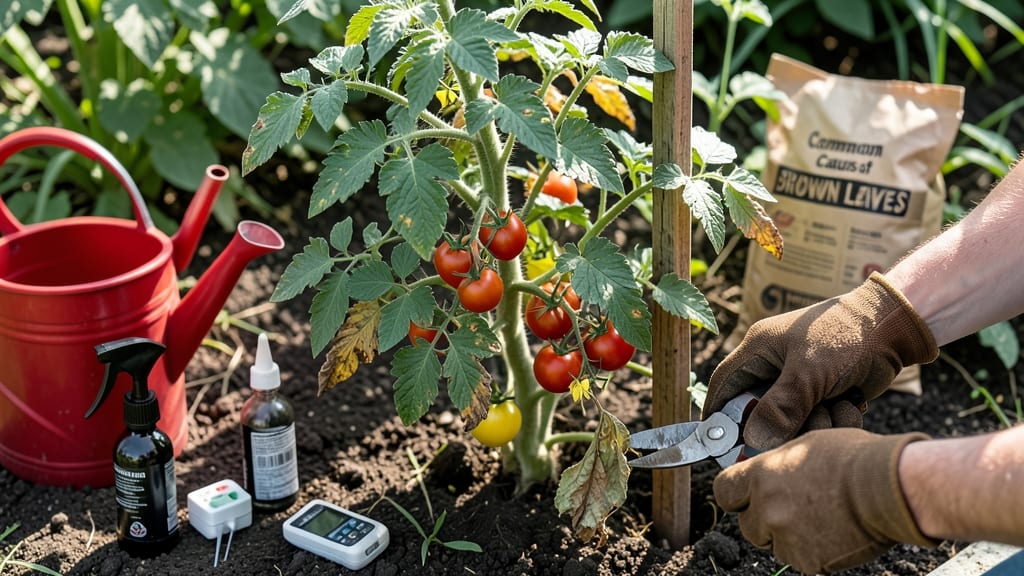
Brown leaves on tomato plants mean your harvest is at risk—unless you act fast. 🌱 I’ve saved dozens of tomato plants from total collapse by diagnosing the exact cause, and the fixes are simpler than you’d think. Most gardeners overlook the easy solutions while panicking over diseases or pests.
The real culprits are usually overwatering (yellowing leaves + soggy soil) or underwatering (crispy edges + dry soil), but nutrient deficiencies and sunscald can also turn leaves brown. My plants bounce back within days once I address the root cause—literally.
Start by checking the soil moisture and leaf texture to narrow it down. You’ll see new green growth within 3-5 days if you prune the damaged leaves and adjust care. The key is acting before the problem spreads to the fruit.
Think of it like a doctor’s visit: early diagnosis saves the patient (and your tomatoes). Works for both container and in-ground plants, and the fixes apply to peppers and eggplants too. Here’s how to spot the difference between each issue and what to do next.
Root Causes of Tomato Leaf Browning
Tomato plants are resilient, but when their leaves start turning brown, it’s often a distress signal from the plant itself. Understanding the why behind this issue is the first step to saving your harvest—and your sanity.
Below, we break down the most common culprits, from environmental stressors to hidden pests, with clear explanations of how they trigger browning.
Brown, mushy leaves (especially near the soil) are classic signs of overwatering or root rot. Here’s why it happens: - Oxygen Deprivation: Tomato roots need oxygen to respire.
When soil stays soggy, roots suffocate, leading to anaerobic conditions—a toxic environment for the plant. - Fungal Invasion: Excess moisture creates the perfect breeding ground for Phytophthora and Pythium, fungi that clog root cells, cutting off nutrient flow to leaves. - Nutrient Leaching: Waterlogged soil flushes away essential minerals (like nitrogen and potassium), starving leaves of the pigments they need to stay green.
Pro Tip: 🌡️ Test your soil’s moisture by sticking a finger 2 inches deep—if it’s damp, hold off on watering. Raised beds or containers with drainage holes can prevent this issue entirely.
Crispy, brown edges on leaves (often curling upward) scream "I’m thirsty!" or "It’s too hot!" Here’s the science:
- Plasma Membrane Damage: When cells lose too much water, their membranes rupture, causing oxidative stress and browning.
- Stomatal Closure: Under drought, stomata (leaf pores) shut to conserve water, but this traps heat inside leaves, leading to sunburn-like damage.
- Nutrient Transport Halt: The plant prioritizes water over nutrients, so leaves can’t maintain their chlorophyll, turning brown.
Pro Tip: ✨ Mulch with straw or wood chips to retain soil moisture and reduce temperature swings. Water deeply early in the morning to minimize evaporation.
Brown spots or yellowing between leaf veins?
Your tomatoes might be hungry—specifically for: - Potassium (K): Brown edges or scorch marks often signal potassium deficiency, which weakens the plant’s ability to regulate water and fight disease. - Magnesium (Mg): Interveinal browning (brown patches between veins) is classic magnesium deficiency, as it’s vital for chlorophyll production. - Nitrogen (N): Pale brown or yellowing leaves may mean nitrogen starvation, though this usually starts with yellowing rather than browning.
Pro Tip: 💪 Use a balanced fertilizer (like 10-10-10) or Epsom salt (for magnesium) to address deficiencies. Test your soil pH—most tomatoes thrive in 6.0–6.8.
Uninvited guests can turn your tomato leaves into a browned-out disaster. Watch for: - Aphids/Spider Mites: These sap-suckers inject toxins that cause stippling (tiny brown dots) and leaf curling. Their saliva also triggers oxidative stress in cells. - Early Blight (Alternaria solani): Brown, concentric rings on lower leaves?
This fungus thrives in warm, humid conditions, clogging stomata and blocking photosynthesis. - Tomato Hornworms: While they munch leaves into lace, their oral secretions can cause browning around feeding sites.
Pro Tip: 🔥 Spray leaves with neem oil (for pests) or copper fungicide (for early blight). Remove infected leaves immediately to stop spread.
Tomatoes are sensitive to extreme conditions.
Sudden changes can trigger browning: - Cold Snaps: Temperatures below 50°F (10°C) can cause chilling injury, where cell membranes leak, leading to brown, water-soaked patches. - Windburn: High winds dry out leaves faster than they can absorb water, causing desiccation (brown, crispy edges). - Salt or Chemical Burn: Over-fertilizing (especially with synthetic salts) or using harsh pesticides can scorch leaves, turning them brown and leathery.
Pro Tip: 🌿 Use row covers for wind protection and shade cloth in scorching heat. Always dilute fertilizers to half-strength to avoid salt buildup.
Not all brown leaves are bad! Older leaves naturally senesce (age) as the plant redirects energy to fruit production. Look for:
- Yellowing at the base (not brown spots).
- Leaves dropping easily when touched.
- Healthy new growth elsewhere on the plant.
When to Worry: If browning spreads upward or new leaves show signs, it’s likely a disease or pest—not just aging. Prune only the bottom 1–2 layers of leaves to improve airflow and fruit exposure.
Fixing Brown Leaves Fast
Now that you’ve pinpointed the culprit behind your tomato plant’s brown leaves, it’s time to roll up your sleeves and get to work! Below are practical, step-by-step solutions tailored to each cause, plus pro tips to keep your plants thriving.
Whether it’s a watering woe, pest party, or nutrient deficit, we’ve got you covered.
Signs: Yellowing or brown leaves, mushy stems, wilting despite wet soil. Solution:
- 🔥 Stop Watering Immediately Let the top 1–2 inches of soil dry out before watering again. Stick your finger in the soil—if it’s soggy, wait.
- 🍳 Improve Drainage
- Repot if needed: Use a container with drainage holes (or add a layer of gravel if planting in the ground).
- Amend soil: Mix in perlite, sand, or compost to loosen heavy clay.
- 👨🍳 Prune Damaged Foliage Snip off brown leaves with clean scissors to redirect energy to healthy growth.
💡 Prevention Tip:
- Water deeply once or twice a week (depending on climate) rather than daily shallow watering.
- Mulch around plants to retain moisture without smothering roots.
Signs: Crispy, papery brown edges on leaves (especially on upper foliage). Solution:
- 🥘 Provide Afternoon Shade
- Use shade cloth (30–50%) or move pots to a spot with morning sun + afternoon shade.
- For in-ground plants, install temporary shade sails if temps exceed 90°F (32°C).
- ⏰ Water at the Right Time
- Morning watering (before 10 AM) reduces evaporation and leaf scorch.
- Avoid overhead watering at night to prevent fungal issues.
- 🌡️ Boost Humidity (For Container Plants) Place a tray of water near pots or mist leaves lightly in the early morning.
💡 Prevention Tip:
- Choose heat-tolerant varieties like ‘Solar Fire’ or ‘Heatmaster’ for hot climates.
- Mulch with straw or grass clippings to keep roots cool.
Signs: Brown spots, holes, sticky residue, or fungal growth (e.g., powdery mildew).
| Problem | Fix It Fast | Prevention |
|---|---|---|
| Aphids/Spider Mites | Spray with neem oil (1 tsp per quart of water) or soapy water (1 tbsp mild soap + 1 quart water). Repeat every 3–5 days. | Introduce ladybugs or predatory mites. |
| Fungal Issues (e.g., early blight) | Remove infected leaves; spray with copper fungicide or baking soda mix (1 tbsp baking soda + 1 quart water + a drop of dish soap). | Space plants for airflow; water at soil level. |
| Blossom End Rot | Add crushed eggshells or calcium supplement to soil. Keep soil moist but not soggy. | Test soil pH (aim for 6.0–6.8) and add lime if needed. |
🔥 Pro Tip: For severe infestations, isolate affected plants to stop pests from spreading.
Signs: Brown, curled leaves (often with yellow veins) or stunted growth.
| Deficiency | Quick Fix | Long-Term Solution |
|---|---|---|
| Nitrogen (Leggy growth + pale leaves) | Apply blood meal (organic) or balanced fertilizer (10-10-10). | Add compost or fish emulsion at planting. |
| Potassium (Brown leaf edges) | Feed with banana peel tea (steep peels in water for 24 hours) or potassium sulfate. | Use wood ash (sparingly) around plants. |
| Magnesium (Yellow between veins) | Spray Epsom salt solution (1 tbsp per gallon of water) every 2 weeks. | Mix dolomitic lime into soil annually. |
✨ Bonus Hack:
- DIY fertilizer: Blend 1 part banana peels + 1 part coffee grounds + 1 part eggshells into soil for a nutrient boost.
- 🔪 Trim with Care
- Use sterilized scissors to cut 1/3 of the plant’s foliage if severely stressed (encourages bushier growth).
- Avoid pruning during heatwaves or rainy periods.
- 💪 Support Weak Plants
- Stake or cage tomato plants to improve airflow and reduce stress.
- For containers, use self-watering pots to maintain consistency.
- 🌱 Monitor & Adjust
- Keep a plant journal to track watering, sunlight, and fertilizer changes.
- Rotate pots weekly for even sun exposure.
Remember: Tomato plants are resilient! With these fixes, you’ll see new green growth in 1–2 weeks. Stay consistent, and your plants will be back to producing juicy, vine-ripened tomatoes in no time. 🍅🌿
Frequently asked questions
Why are my tomato leaves turning brown only on the edges?
This is usually a sign of underwatering or heat stress. When soil dries out too much, leaf edges lose moisture and crisp up. For container plants, check soil moisture—it should feel like a damp sponge. Water deeply in the morning and mulch to retain moisture. If temps exceed 90°F (32°C), provide afternoon shade.
Can I save my tomato plant if most leaves are brown and mushy?
It depends! If the browning is from overwatering/root rot, prune all mushy leaves and improve drainage immediately. For severe cases, repot in fresh soil with perlite. If the stems are still firm and new growth appears, your plant can recover. If stems are soft and black, the plant is likely beyond saving—focus on preventing spread to other plants.
What's the fastest way to fix brown spots caused by pests like spider mites?
Spray with a neem oil solution (1 tsp per quart of water) immediately—it disrupts pests' life cycles. For heavy infestations, repeat every 3-5 days. Wipe leaves with a damp cloth to remove eggs. Introduce beneficial insects like ladybugs for long-term prevention. Avoid chemical sprays that can harm the plant further.
Is it safe to eat tomatoes from a plant with brown leaves?
Only if the browning is from aging leaves (yellowing at base) or nutrient deficiencies. If leaves show signs of disease (spots, mold) or chemical damage (burn marks), avoid eating those tomatoes. For pest-related browning, wash tomatoes thoroughly before eating. When in doubt, harvest only fully ripe, healthy-looking fruit from the lower stem.
How often should I fertilize tomato plants after fixing brown leaves?
Wait 2-3 weeks after treating deficiencies to avoid overloading the plant. Then use a balanced fertilizer (10-10-10) every 4-6 weeks. For organic options, try compost tea or fish emulsion. Always water thoroughly after fertilizing to prevent root burn. Monitor leaf color—new growth should stay vibrant green.