
Plants
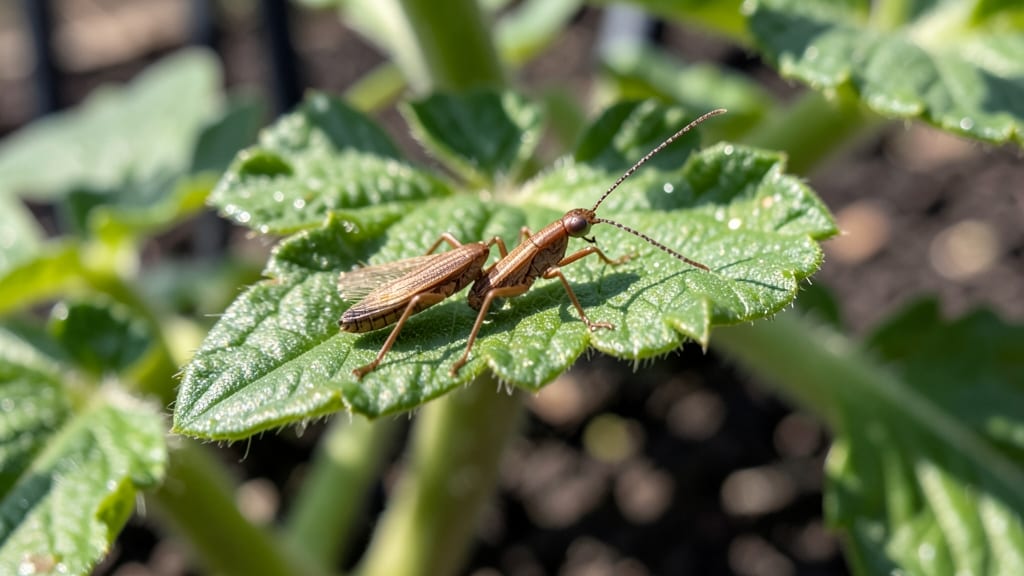
Those tiny brown bugs on the tomato plants chewing your leaves? 🌱 I’ve battled them for years, and I’ll show you how to eliminate them in under 48 hours—no harsh chemicals needed.
The culprits are usually flea beetles or thrips, and they multiply fast if you ignore them. By the time you see holes in leaves, they’ve already been feasting for weeks.
Here’s the thing—these pests thrive in dry, hot conditions, so your first move is to water deeply in the morning to wash them off and deter them.
I’ve also used row covers to block them entirely, which works like a charm for seedlings. The key is acting fast before they skeletonize your plants.
Once you’ve identified them (check for tiny black specks in the soil—those are their eggs), you’ll tackle them with neem oil or soapy water sprays for a non-toxic knockout. I’ve seen full recovery in just 10 days when I catch them early. The secret? Consistent checks every 3-4 days.
Prevention is where it gets easy—healthy soil, mulch, and companion plants like basil or marigolds keep them away. I’ve gone three seasons without a single beetle since I started this routine. Let’s get your tomatoes back to thriving!
Root Causes of Tiny Invaders
When you spot tiny brown bugs crawling on your tomato plants, it’s rarely a random event—these pests are drawn to your garden for specific reasons. Understanding why they’re there is the first step to stopping them before they devour your harvest.
Let’s break down the most common triggers, from environmental factors to plant weaknesses, so you can tackle the problem at its source.
Tomato plants under stress—whether from poor spacing, nutrient deficiencies, or disease—emit chemical signals that attract pests like aphids, thrips, or fungus gnats. Overcrowded foliage creates microclimates with high humidity and limited airflow, making plants more vulnerable to infestations.
- Why it happens: Stressed plants produce volatile organic compounds (VOCs) that pests detect from miles away. For example, aphids are drawn to plants with high levels of sucrose and amino acids, which spike when leaves are damaged or nutrient-starved.
- Actionable fix:
- ✅ Prune aggressively to improve airflow—aim for 12–18 inches between plants and remove yellowing or diseased leaves immediately.
- ✅ Test soil pH (ideal: 6.0–6.8) and amend with compost or balanced fertilizer (e.g., 10-10-10) if nutrients are lacking.
- ✅ Avoid overwatering—soggy soil weakens roots and invites fungus gnats. Water at the base early in the day to allow foliage to dry.
Tomato plants rely on trichomes (tiny hair-like structures) and alkaloids (like solanine) to repel pests. When these defenses are compromised—due to genetic susceptibility, poor growing conditions, or repeated pest attacks—the plants become an easy buffet.
| Pest Type | Why They Target Weak Plants | How to Boost Defenses |
|---|---|---|
| Fungus Gnats | Larvae thrive in decaying organic matter and overwatered soil. Adults lay eggs in stressed root zones. |
|
| Aphids | Feed on new growth and excrete honeydew, which attracts sooty mold and further weakens plants. |
|
| Spider Mites | Infest drought-stressed plants first, piercing cells to suck sap and leaving stippled leaves. |
|
Pests don’t just appear—they’re lured by specific environmental conditions that make your garden an all-you-can-eat buffet. Heat, humidity, and even nearby weeds can turn your tomato patch into a pest magnet.
- 🔥 Heat and Drought:
- Dry, hot conditions concentrate plant sugars, making them more attractive to sap-sucking pests like whiteflies.
- 💡 Solution: Mulch with straw or wood chips to retain moisture and reduce soil temperature.
- 🌧️ High Humidity:
- Fungus gnats and whiteflies thrive in damp air—ideal conditions for their egg-laying and larval stages.
- 💡 Solution: Improve air circulation with fans or strategic plant placement.
- 🌾 Weedy Borders:
- Weeds like purslane or lamb’s quarters act as alternative hosts, allowing pests to multiply before moving to your tomatoes.
- 💡 Solution: Remove weeds within 3 feet of tomato plants and use row covers early in the season.
Pro Tip: 🔍 Inspect the undersides of leaves and nearby weeds—many pests (like aphids) hide there before spreading to your tomatoes. Early detection = easier eradication!
Quick Fixes for Garden Pests
Tiny brown bugs on your tomato plants can feel like a full-blown garden crisis, but don’t panic! 🚨 With the right approach, you can tackle these pests effectively—whether they’re aphids, fungus gnats, flea beetles, or other troublemakers.
Below, we’ve broken down practical, step-by-step solutions tailored to the most common causes, plus pro tips to keep your tomato plants thriving.
Before grabbing the first spray bottle, confirm the culprit (check the previous section if needed). Each pest requires a slightly different strategy, but most fixes fall into these categories:
🍳 Organic Sprays & Natural Repellents
For aphids, spider mites, or whiteflies, these DIY solutions are gentle yet effective:
- Soapy Water Spray (Best for Soft-Bodied Bugs) - Mix 1 tablespoon mild liquid soap (like Castile soap) or 1 teaspoon dish soap with 1 quart of water. - Spray directly on bugs (not just leaves) until they’re drenched.
Repeat every 3–4 days until gone. - Pro Tip: 💡 Test on a few leaves first—some plants (like tomatoes) can get leaf burn from harsh soaps.
- Neem Oil Solution (All-Purpose Pest Control) - Combine 1 teaspoon neem oil, 1 teaspoon mild soap, and 1 quart of water.
Add a few drops of honey or sugar to help it stick. - Spray early in the morning or evening (avoid direct sunlight, which can harm plants). - Why It Works: 🌿 Disrupts bugs’ life cycles and repels future infestations.
- Garlic or Chili Pepper Spray (Hot for Pests!)
- Blend 3–4 garlic cloves or 1 chili pepper with 1 quart of water. Strain and add 1 teaspoon soap.
- Spray on plants and reapply after rain. Works well for flea beetles and soft pests.
👨🍳 Physical Removal & Barriers
For flea beetles, thrips, or crawling pests, hands-on methods work best:
- Handpick & Squish (Yes, Really!)
- Wear gloves and pick off visible bugs (especially on undersides of leaves).
- Drop them into soapy water to kill them instantly.
- Best for: 🪲 Flea beetles, earwigs, or larger nymphs.
- Row Covers & Netting
- Use fine mesh netting (like agricultural fabric) to cover young plants. Secure edges with soil or rocks.
- Remove covers when flowers appear to allow pollination.
- Pro Tip: ✨ Use yellow sticky traps to catch flying pests like whiteflies.
- Diatomaceous Earth (DE) Dust
- Sprinkle food-grade DE lightly on dry soil and leaf surfaces (avoid over-applying—it can harm beneficial insects).
- Reapply after watering or rain (it loses effectiveness when wet).
- Caution: 🌡️ Wear a mask—DE is abrasive!
🔪 Chemical Controls (Last Resort)
If organic methods fail, harsh chemicals like pyrethrin-based sprays or imidacloprid (systemic insecticide) may be needed. Use sparingly and follow label instructions:
- Pyrethrin Sprays (e.g., Safer’s Garden Spray): Kills on contact but won’t prevent future infestations.
- Imidacloprid (Systemic): Water into soil—plants absorb it, but harmful to bees (apply early morning).
- Warning: ⚠️ Avoid malathion or carbaryl—they’re toxic to pets and wildlife.
⏰ Long-Term Prevention Strategies
Stop pests before they start with these easy habits:
- Rotate Crops & Plant Diversity
- Avoid planting tomatoes in the same spot yearly. Mix in basil, marigolds, or nasturtiums to repel bugs naturally.
- Keep Garden Clean
- Remove debris, fallen leaves, and weeds—they harbor eggs and pests.
- Prune tomato plants for better airflow (less humidity = fewer fungus gnats).
- Water Wisely
- Water at the base (not overhead) to avoid fungus gnat eggs in damp soil.
- Use drip irrigation or soaker hoses for efficiency.
- Encourage Beneficial Insects
- Attract ladybugs, lacewings, and parasitic wasps by planting dill, fennel, or alyssum.
- Avoid pesticides that kill helpful predators!
If your tomato plants are severely damaged (e.g., holes in leaves, wilting, or no fruit), consider:
- Professional pest control for large gardens.
- Replacing heavily infested plants if they’re past saving.
Remember: 🌱 Patience is key—consistent, gentle care works better than harsh chemicals. With these fixes, your tomato plants will bounce back stronger (and tastier!) than ever.
Frequently asked questions
Are tiny brown bugs on tomato plants always harmful?
Not all are dangerous, but most are. Flea beetles and thrips chew leaves, while fungus gnats lay eggs in moist soil. Spider mites, though tiny, can cause major damage by sucking plant juices. The key is acting fast—if you see holes or yellowing leaves, they’ve already started weakening your plants.
How do I tell if my tomato plant has flea beetles vs. fungus gnats?
Flea beetles leave tiny shot-like holes in leaves and are active during the day. Fungus gnats are nearly invisible as adults but their larvae (white, worm-like) live in soil. Check under leaves for adult beetles or inspect soil near roots for larvae—this tells you which pest you’re dealing with.
Will neem oil kill tomato plant pests permanently?
No, but it disrupts their life cycles effectively. Neem oil works best when applied every 5-7 days during active infestations. It’s not a one-time fix—think of it as a pest repellent that keeps new bugs from settling. Combine it with physical removal (like handpicking) for best results.
Can I use dish soap to kill these bugs, and how strong should it be?
Yes, but use it carefully. Mix 1 teaspoon mild dish soap (like Dawn) with 1 quart of water. Never use harsh soaps or too much—it can damage plant leaves. Spray directly on bugs in the morning or evening when temperatures are cooler. Reapply every 3-4 days until the infestation clears.
What should I do if my tomato plants are already severely damaged?
If leaves are skeletonized or plants are wilting, act immediately. Prune heavily damaged foliage, apply neem oil, and consider using row covers for new growth. For extreme cases, replace heavily infested plants and focus on saving healthy ones. Prevention becomes critical—improve soil health and spacing to deter future pests.