
Pests
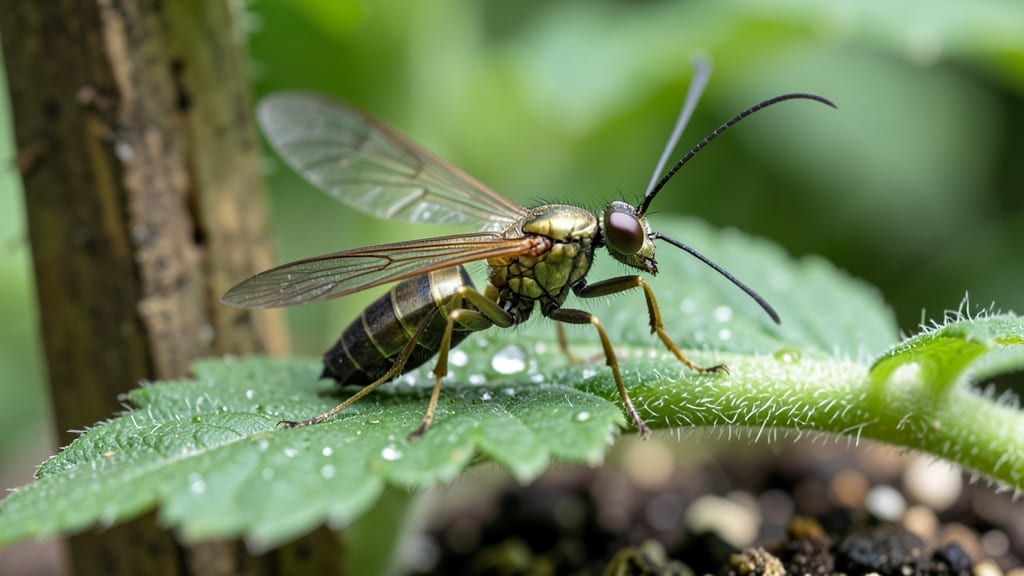
Aphids on tomato plants are the tiny green monsters that suck the life out of your harvest—but neem oil spray stops them dead in their tracks. 🌱 I’ve fought these pests for years, and this one method actually works within 24 hours without harming your tomatoes.
The key? Timing, concentration, and a little elbow grease to wipe out the worst infestations first.
Neem oil doesn’t just kill aphids—it disrupts their life cycle so fewer return. Mix 1 tablespoon of organic neem oil with 1 teaspoon of mild liquid soap in a quart of water, then spray early morning or late evening when aphids are sluggish.
Avoid spraying when tomatoes are flowering, or you might scare off pollinators. For heavy infestations, repeat every 3-4 days until they’re gone.
You’ll see results fast: leaves stop curling, new growth appears vibrant green, and aphids vanish within a day. The best part? This spray is safe for edible plants once fully dried, so you can harvest your tomatoes without worry.
Just avoid spraying right before picking to let any residue settle.
Prevention is easier than cure—introduce ladybugs or lacewings, which eat aphids naturally, and keep plants healthy with balanced fertilizer. Aphids love stressed plants, so strong, well-watered tomatoes are your first line of defense. Trust me, once you’ve tried this, you’ll never reach for chemical sprays again.
Root Causes of Aphid Infestations
Aphids don’t just randomly appear on your tomato plants—they’re drawn by specific conditions that make your garden a five-star hotel for these pesky pests. Understanding these triggers is the first step to stopping them in their tracks.
Let’s break down the science behind why aphids show up and how they multiply like tiny, sap-sucking invaders.
Aphids have a sixth sense for plants that are struggling. When your tomato plants are nutrient-deficient, overcrowded, or water-stressed, they release volatile organic compounds (VOCs) that act like a dinner bell for aphids. These chemicals signal distress, making your plants more attractive to pests.
Why it happens:
- Nitrogen deficiency: Aphids thrive on plants with high sugar content, which often occurs when nitrogen (a key nutrient for healthy growth) is lacking. Without enough nitrogen, plants produce more sugars in their leaves—aphid candy!
- Water stress: Both overwatering and underwatering weaken plants. Aphids love tender, soft new growth that sprouts when plants are recovering from drought or soggy roots.
- Overcrowding: When tomato plants compete for sunlight and nutrients, they grow slowly and produce weak stems—perfect hiding spots for aphids.
Actionable insight: Healthy plants = unhappy aphids. Regularly check your tomatoes for signs of stress (yellowing leaves, stunted growth) and address them immediately. A balanced fertilizer (especially one with nitrogen, phosphorus, and potassium) can fortify your plants’ defenses.
Aphids are particularly fond of new shoots, flowers, and fruit because these parts are rich in sugars and have thinner cell walls—easier pickings for their needle-like mouthparts.
If your tomato plant is producing lots of tender growth (like after pruning or during a growth spurt), aphids will flock to it like bees to honey.
Why it happens:
- High sugar content: New growth is packed with simple sugars, which aphids metabolize quickly for energy. This makes them reproduce faster—some species can give birth to 50-80 live nymphs per day under ideal conditions!
- Thin cuticles: Young leaves and stems have softer, more permeable surfaces, making it easier for aphids to pierce and feed.
- Hormonal signals: Plants release jasmonic acid when damaged, which can actually attract more aphids by mimicking the scent of prey for their natural predators (like ladybugs). Unfortunately, aphids also get the memo.
Actionable insight:
Prune your tomato plants strategically—remove only the oldest leaves at the bottom to improve airflow and reduce aphid hotspots. Avoid heavy pruning during peak aphid season (spring to early summer) unless necessary.
Aphids aren’t just randomly wandering—they’re following a highly organized reproductive and migration strategy that often involves your tomato plants. Understanding their lifecycle can help you disrupt their plans before they take over.
Why it happens:
- Parthenogenesis: Many aphid species (like the green peach aphid) can reproduce asexually, meaning a single female can clone herself into an entire colony in weeks. No males needed!
- Wind and insect hitchhiking: Aphids can’t fly far, but they ride the wind on cottony threads or hitchhike on ants, bees, and even garden tools to new plants.
- Ant "farming": Some aphids (like the melon aphid) have a symbiotic relationship with ants. Ants protect aphids in exchange for their honeydew—a sticky, sugary waste product aphids excrete. This creates a protected aphid colony on your plants.
- Seasonal migration: Aphids often move from perennial hosts (like weeds or ornamental plants) to annual crops (like tomatoes) as the weather warms. Your garden might be their next stop after they’ve depleted their winter food sources.
Actionable insight:
Break the cycle by:
- 🔍 Scouting early: Check the undersides of leaves and stems weekly for tiny aphids or honeydew (sticky residue). Act fast—colonies can explode in 7-10 days.
- 🌱 Removing nearby weeds: Weeds like dandelions and clover are often aphid nurseries. Pull them out to reduce migration routes.
- 🐜 Disrupting ant trails: Ants leave pheromone trails to aphids. Wipe them down with soapy water or use diatomaceous earth around plant bases to block their access.
Aphids are opportunistic and thrive in specific weather and soil conditions. If your garden matches their ideal habitat, they’ll move in faster than you can say "neem oil spray."
Why it happens:
- Warm, humid weather: Aphids prefer temperatures between 60–80°F (15–27°C). High humidity also slows down natural predators (like ladybugs), giving aphids an edge.
- Poor soil drainage: Waterlogged soil stresses plants and attracts fungus gnats, which aphids eat. Plus, soggy roots make plants more vulnerable to aphid attacks.
- Lack of predatory insects: Aphids are food for ladybugs, lacewings, parasitic wasps, and birds. If your garden lacks biodiversity (e.g., no flowering plants for pollinators), these natural controls won’t be around to keep aphids in check.
Actionable insight:
Create an aphid-unfriendly environment by:
- 💧 Watering deeply but less often: Encourage strong root systems that can withstand drought and reduce soil-borne pests.
- 🌼 Planting companion flowers: Marigolds, alyssum, and basil attract beneficial insects that prey on aphids.
- 🌡️ Monitoring weather patterns: If a heatwave is forecasted, aphids may surge. Be prepared with preventative sprays (like neem oil) before they arrive.
By addressing these root causes, you’re not just treating the aphids—you’re making your tomato plants less appealing and more resilient. The key is proactive care: healthy plants, smart gardening practices, and a little pest psychology go a long way in keeping your tomatoes aphid-free! 🚀
Quick Fixes for Aphid-Infested Tomatoes
Aphids may be tiny, but they pack a big punch—sucking the life out of your tomato plants and leaving behind sticky residue that can attract mold or sooty mold. The good news? You don’t need harsh chemicals to tackle them.
Below, we’ll break down targeted solutions based on the root cause of your aphid problem, from organic sprays to cultural fixes. Let’s reclaim your tomato patch!
If you catch aphids early, a good old-fashioned knock-and-carry method works wonders. - 🔥 Step 1: Fill a bucket with soapy water (a few drops of dish soap per gallon). - 👨🍳 Step 2: Use a spray bottle or hose to blast aphids off the leaves and stems.
The water shock will weaken them. - 🥘 Step 3: Dump the collected aphids (and debris) into the soapy water—no need to let them crawl back! - ⏰ Frequency: Repeat every 2–3 days until aphids disappear.
💡 Pro Tip: Do this in the early morning when aphids are sluggish and plants are dry (prevents soap burn).
Neem oil isn’t just hype—it disrupts aphid feeding and reproduction while being safe for plants (and pets!).
Here’s how to use it effectively: - 🔥 Step 1: Mix 1 tbsp neem oil + 1 tsp mild soap (or castile soap) + 1 quart water in a spray bottle. - 🍳 Step 2: Shake well and spray undersides of leaves (aphids love hiding there!). - 🥘 Step 3: Reapply every 5–7 days for 2–3 weeks to break their life cycle. - ⏰ Best Time: Apply in the evening to avoid harming beneficial insects like ladybugs.
✨ Bonus: Add 1 tsp garlic juice to the mix for extra repellent power!
Ladybugs, lacewings, and parasitic wasps eat aphids for breakfast.
Invite them to your garden! - 🌿 How to Attract Them: - Plant dill, fennel, or marigolds nearby—they love these flowers. - Avoid pesticides (even organic ones) for 2–3 weeks before releasing predators. - Buy ladybug larvae online if your infestation is severe (they’re aphid-hungry machines!).
💡 Pro Tip: If you spot aphid mummies (white, dried-up aphids), that’s a sign parasitic wasps are already hard at work!
Aphids thrive in stressed, overcrowded plants. Fix these common issues: - 💧 Overwatering: Keep soil moist but not soggy—aphids love damp, weak plants. - 🌿 Prune Wisely: Remove yellowing leaves or suckers (they attract aphids).
Trim back overgrown foliage for better airflow. - 🌱 Companion Planting: Surround tomatoes with basil, thyme, or onions—aphids dislike their strong scents!
🎯 Prevention Checklist: ✅ Rotate crops yearly to avoid aphid buildup. ✅ Use reflective mulch (like aluminum foil) to deter flying aphids. ✅ Inspect new plants before bringing them home (quarantine for a week if needed).
If aphids are spreading rapidly, a homemade insecticidal soap can save your tomatoes:
- 🔥 Recipe: Mix 2 tbsp castile soap + 1 quart water + 1 tsp vegetable oil.
- 🍳 Application: Spray directly on aphids (avoid blooms to protect pollinators).
- ⏰ Timing: Apply early morning or late evening for best results.
⚠️ Warning: Test on a small leaf first—some plants (like peppers) are sensitive to soap.
🌟 Final Thought: Aphids may be persistent, but with consistent action, your tomato plants will bounce back stronger. Start with neem oil + hand-picking, then boost defenses with predators and smart gardening. Before you know it, you’ll be harvesting juicy, aphid-free tomatoes! 🍅💪
Frequently asked questions
Can I use dish soap alone to kill aphids on my tomato plants?
Yes, but dilute it properly! Mix 1 tablespoon of mild dish soap with 1 quart of water in a spray bottle. Target aphids directly—avoid spraying blooms to protect pollinators. Test on a small leaf first, as some plants may develop brown spots from soap residue. Reapply every 3-4 days until aphids disappear. For tougher infestations, combine with neem oil for better results.
How do I know if ladybugs are actually helping or just eating my tomatoes?
Ladybugs only eat aphids—they won’t harm your tomato plants! Look for aphid mummies (white, dried-up aphids) or ladybug larvae (tiny black alligators) on your plants. If you see them actively hunting aphids, they’re working. Avoid releasing ladybugs during hot afternoons (they’ll fly away) or after spraying pesticides (even organic ones). Plant dill or fennel nearby to attract more of them.
Will aphids ruin my tomato harvest if I don’t treat them?
They can! While aphids rarely kill tomato plants, their sap-sucking weakens vines, causing yellowing leaves, stunted growth, and curled foliage. Worse, their sticky honeydew attracts sooty mold, which blocks sunlight and reduces fruit quality. Severe infestations may also spread viral diseases. Act fast—neem oil or manual removal can save your harvest before it’s too late.
Can I use coffee grounds to repel aphids from my tomato plants?
Coffee grounds alone won’t kill aphids, but they can help deter them when used as a mulch. Sprinkle used grounds around (not directly on) your tomato plants—the strong smell repels some pests. For better results, mix with neem oil spray or insecticidal soap. Refresh the mulch every 2-3 weeks as it breaks down. Avoid overdoing it—too much can make soil too acidic for tomatoes.