
How To
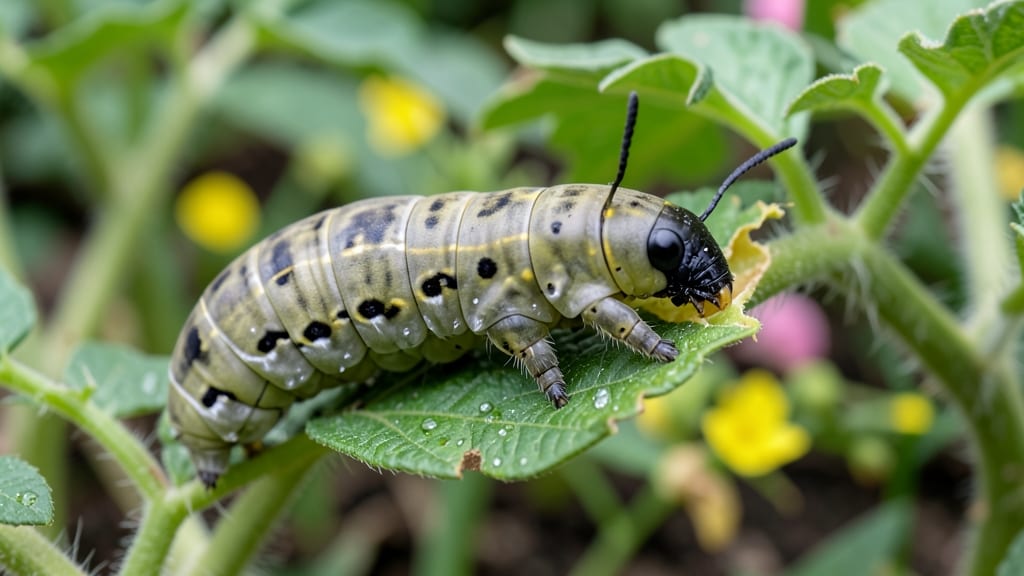
How to keep tomato worms away naturally? Neem oil spray saved my tomatoes from being skeletonized by hornworms last summer, and it can do the same for you. 🌱 These striped caterpillars chew through leaves overnight, but a few simple sprays keep them away without harming your plants or the beneficial insects that pollinate your garden.
The key is timing and consistency—apply neem oil when you first spot tiny eggs or young caterpillars, and repeat every 5-7 days. Mix 1 tablespoon of pure neem oil with 1 teaspoon of mild soap in a gallon of water, then spray the undersides of leaves where eggs hide.
The oil disrupts their feeding and growth, while the soap helps it stick.
You’ll notice fewer chewed leaves within a week, and your plants will start recovering their vibrant green color. The best part? This method works for other garden pests too, like aphids and whiteflies, making it a versatile addition to your organic pest control toolkit.
For extra protection, handpick any large caterpillars you find and drop them in soapy water—it’s satisfying and effective. Combine this with companion planting (like basil or marigolds) for a double layer of defense that keeps your tomato harvest thriving all season.
The Hidden Attractants Luring Worms
Tomato worms—those pesky green caterpillars of the Manduca sexta (tomato hornworm) or Spodoptera exigua (beet armyworm)—don’t just appear out of nowhere. They’re drawn to your garden by a mix of chemical cues, environmental conditions, and plant vulnerabilities.
Understanding these triggers is the first step in outsmarting them. Let’s break down the science behind their unwelcome visits.
Tomatoes release volatile organic compounds (VOCs)—essentially, scent molecules—that act like dinner bells for tomato worms. When plants are stressed (from drought, nutrient deficiencies, or damage), they emit even stronger signals, such as:
- Green Leaf Volatiles (GLVs): Compounds like hexenal and hexenol are released when tomato leaves are damaged. These smells attract moths and hornworms, which then lay eggs near the source. Actionable insight: Prune healthy leaves to reduce unnecessary damage signals.
- Floral Scent Mimics: Tomatoes produce jasmonates and salicylic acid when flowering or fruiting. These compounds mimic the scent of healthy, nutrient-rich plants—perfect for hungry larvae. Actionable insight: Remove spent flowers or overripe tomatoes to limit the scent trail.
- Sugary Exudates: Aphids, spider mites, or even bird droppings can leave behind sticky honeydew, which attracts not just ants but also moths seeking egg-laying spots. Actionable insight: Blast plants with water to wash away honeydew and disrupt the cycle.
Tomato worms thrive in warm, humid conditions—the same environment that makes your garden lush. Here’s how climate plays a role:
| Factor | Why It Matters | What You Can Do |
|---|---|---|
| 🌡️ Temperature (70–85°F) | Moths are most active in this range. Eggs hatch faster, and larvae grow rapidly. | Use row covers or shade cloth to keep daytime temps below 80°F during peak moth season (May–July). |
| 💧 High Humidity | Moisture keeps eggs from drying out and speeds up larval development. | Improve air circulation with spacing or fans, and avoid overhead watering at dusk. |
| 🌧️ Rainfall Patterns | Heavy rain can wash away natural predators (like parasitic wasps) but also dilute repellent sprays (e.g., neem oil). | Apply neem oil or kaolin clay after rain to rebuild protection. |
Stressed tomatoes are like neon signs for pests. Here’s how common stressors make your plants more vulnerable:
- Nutrient Deficiencies: Low nitrogen or potassium weakens cell walls, making leaves easier for larvae to chew. Fix: Test soil and amend with compost or a balanced fertilizer (10-10-10).
- Overwatering: Soggy roots attract fungi and root maggots, which stress the plant and alter its scent profile. Fix: Water deeply but infrequently (1–1.5 inches per week).
- Competition: Weeds or overcrowded plants compete for resources, making tomatoes more susceptible to damage. Fix: Mulch with straw to suppress weeds and improve soil health.
- Pest Damage: Even small holes from aphids or flea beetles trigger a defense response that can attract hornworms. Fix: Use soapy water sprays early to prevent secondary infestations.
Tomato worms don’t just appear—they’re part of a predictable life cycle that exploits garden weaknesses:
- Egg Stage (3–5 days): Female moths lay eggs on undersides of leaves or near stems. They prefer healthy, young plants because the leaves are tender. 💡 Pro Tip: Inspect leaves daily and remove eggs with a damp cloth.
- Larval Stage (2–3 weeks): Once hatched, larvae double in size every 4 days if conditions are ideal. They target new growth and flowers first because they’re the most nutrient-dense. 🔥 Warning: A single larva can devour a tomato in hours.
- Pupation (10–14 days): Mature larvae burrow into soil to pupate, emerging as moths in 2 weeks. 🌡️ Climate Hack: Till soil in fall to expose pupae to cold, breaking the cycle.
The key? Disrupt any one stage—whether by removing eggs, attracting predators, or altering plant stress levels—and you’ll starve the infestation.
Quick Fixes for Tomato Worm Troubles
Tomato worms—those pesky green caterpillars—can turn your thriving tomato plants into a buffet in no time. But don’t worry! With the right strategies, you can banish them fast and keep your garden healthy.
Below, we’ve mapped out practical solutions based on the most common causes of infestations, from organic sprays to cultural fixes. Plus, we’ll share prevention tips to stop future attacks before they start.
Problem: You’ve spotted holes in leaves or worms munching on fruit. Fix: Act fast with physical removal and natural repellents.
🍳 Step 1: Handpick the Worms (Best for Small Infestations)
- When to do it: Early morning or evening when worms are sluggish.
- How to do it:
- Wear gloves and inspect leaves and fruit.
- Drop worms into soapy water (1 tbsp dish soap per gallon) to kill them instantly.
- Check under leaves and in leaf axils—worms love hiding there!
- Pro tip: 💡 Do this every 2–3 days for a week to break their life cycle.
👨🍳 Step 2: Apply Neem Oil Spray (Organic & Effective)
Neem oil disrupts worm hormones and deters eggs from hatching.
- Recipe:
- Mix 1 tbsp neem oil + 1 tsp mild soap (as an emulsifier) + 1 quart water.
- Spray directly on leaves (both top and bottom) and stems.
- Reapply every 5–7 days or after rain.
- Pro tip: 🌡️ Apply in early morning or late evening to avoid harming bees.
🥘 Step 3: Use Diatomaceous Earth (DE) for Long-Term Control
DE is a non-toxic powder that dehydrates worms on contact.
- How to use:
- Lightly dust dry DE on leaves and soil around plants (avoid over-applying—it can harm beneficial insects).
- Reapply after rain or watering.
- Caution: ⚠️ Wear a mask when applying to avoid inhaling the fine powder.
Problem: You’re dealing with repeat attacks—worms keep returning. Fix: Combine cultural controls with barrier methods to break their cycle.
🌱 Step 1: Remove Eggs & Larvae from the Garden
Tomato worms lay eggs on lower leaves and stems.
- How to prevent hatching:
- Strip and destroy lower leaves (where eggs are laid) weekly.
- Use a shop vacuum to suck up eggs from leaves before they hatch.
- Pro tip: ✨ Place yellow sticky traps near plants to catch adult moths.
🛡️ Step 2: Use Row Covers or Physical Barriers
- Floating row covers (lightweight fabric) block moths from laying eggs.
- Collars around stems (made from cardboard or plastic) prevent worms from crawling up.
- Pro tip: 🎯 For young plants, cover seedlings with fine mesh until they’re established.
🌿 Step 3: Encourage Natural Predators
Attract birds, ladybugs, and parasitic wasps to eat worms naturally.
- How to help:
- Plant dill, fennel, or marigolds nearby to attract beneficial insects.
- Install a birdhouse or bath to welcome feathered helpers.
- Avoid broad-spectrum pesticides—they kill worm predators too!
Problem: You’re tired of constant monitoring and want a set-and-forget method. Fix: Compost tomato plants at season’s end and rotate crops to starve worms.
🌱 Step 1: Compost Infested Plants Properly
- Don’t leave plant debris in the garden—worms overwinter in soil.
- Bag and compost (with high heat) or burn (if allowed) to kill eggs.
- Pro tip: 🔥 Solarize soil in late summer: Cover garden beds with clear plastic for 4–6 weeks to kill larvae.
🌿 Step 2: Plant Resistant Varieties
Some tomato types repel worms naturally:
- ‘Mountain Merit’ (disease-resistant)
- ‘Cherokee Purple’ (less appealing to pests)
- ‘Defiant PhR’ (resistant to multiple pests)
🔄 Step 3: Rotate Plantings & Avoid Overcrowding
- Don’t plant tomatoes in the same spot two years in a row.
- Space plants 18–24 inches apart for better airflow (worms hate dry conditions).
- Pro tip: 🎯 Interplant with basil—its scent repels tomato hornworms!
If your tomatoes are heavily infested and other methods aren’t working:
- Use BT (Bacillus thuringiensis)—a microbe-based pesticide safe for humans and pets.
- Mix 1 tsp BT per gallon of water and spray directly on worms (not preventative—must touch them to work).
- Reapply every 3–5 days after rain.
- Last resort: 🔪 Prune heavily damaged leaves and dispose of them in sealed bags.
Remember: The key to keeping tomato worms away is consistency. Combine physical removal, natural sprays, and preventive habits for the best results. With these strategies, your tomato plants will stay worm-free and thriving all season long! 🍅💚
Frequently asked questions
What’s the fastest way to get rid of tomato worms I already see?
Handpicking is your best immediate solution! Check plants early morning when worms are sluggish, then drop them into soapy water. For stubborn cases, spray with Bacillus thuringiensis (BT)—it kills worms within hours after contact. Reapply every 3-5 days until the infestation clears.
Can I use neem oil if I have bees visiting my garden?
Yes, but with caution. Apply neem oil only in early morning or late evening when bees are less active. Avoid spraying flowers directly, and choose a bee-friendly formulation without synthetic additives. The oil becomes less toxic after 24 hours, so timing is everything.
How do I know if my tomato plants have worms before I see the caterpillars?
Watch for chewed leaves with ragged edges—worms leave behind characteristic "skeletonized" foliage. Also check for tiny white eggs (about 1mm) on leaf undersides or stems. Early signs include wilting flowers or fruit that suddenly develops holes overnight.
Will companion planting really keep tomato worms away?
Plant basil, marigolds, or dill near your tomatoes—their strong scents mask tomato odors that attract worms. Basil works especially well because it contains compounds that repel hornworms naturally. For extra protection, add nasturtiums as a trap crop to lure pests away from your main plants.
Can I use diatomaceous earth indoors for potted tomato plants?
Yes, but with precautions. Lightly dust food-grade DE on soil and leaf surfaces, avoiding overapplication. Keep pets and children away until settled (it's non-toxic but can irritate lungs). Reapply after watering, and remember it works best in dry conditions—it loses effectiveness when wet.