
Pruning
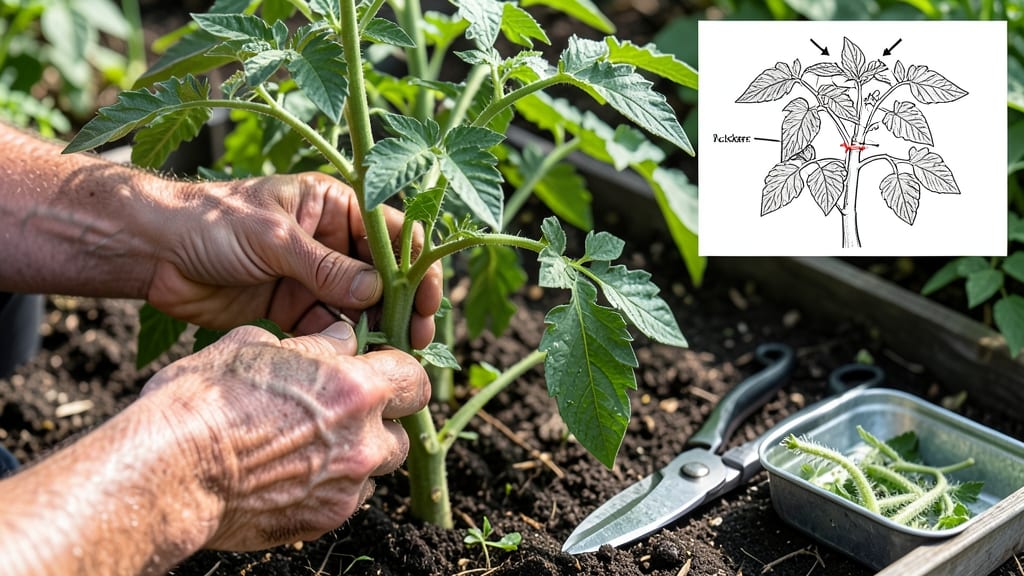
Pinching back tomato plants isn't complicated—it's the secret to more tomatoes on every vine. 🌱 I learned this trick after my first garden produced lanky plants with just a handful of fruits. The right pinches redirect energy from tall stems to bushier growth, leading to heavier yields by summer's end.
You'll need clean pruners, a sunny day, and about 10 minutes per plant. Focus on the main stem just above leaf clusters (where new branches form) and snip just above the next set of leaves. This encourages side shoots that become fruit-bearing branches.
The key is consistency—do it weekly until plants hit your trellis or cage. By midseason, you'll see the difference: compact plants bursting with flowers instead of tall, leggy stems. Even my black thumb can't mess this up. The payoff? 20-30% more tomatoes than unpruned plants, and they ripen faster too.
Works for indeterminate varieties (the ones that keep growing) and even some determinate types. Just avoid pinching too late—stop by early July to let plants focus on fruiting. Let's get those pruners sharp!
📚 In This Guide
- What you need
- Instructions
- Tips and common mistakes
- Wrapping up and next steps
What you need
- ● Tomato plants: Healthy, indeterminate varieties (like Beefsteak or Cherry tomatoes) that have reached 12-18 inches tall with 4-6 true leaves.
- ○ Clean, sharp pruning shears or scissors: Sterilized with rubbing alcohol (to prevent disease spread). Optional: Use your fingers for small pinches!
- ● Gloves: Nitrile or gardening gloves (to protect against thorns and dirt).
- ○ Garden twine or stakes: Optional but helpful for supporting plants post-pruning (use 4-6 ft stakes for taller varieties).
- ○ Mulch (straw or shredded leaves): Optional—helps retain moisture and reduce weeds after pruning.
- ● Watering can or hose with a gentle spray nozzle: For post-pruning hydration.
- ● Choose a sunny, warm day (morning is ideal) to minimize stress on the plant.
- ● Ensure your tomato plants are well-watered 1-2 days before pruning.
- ● Avoid pinching during extreme heat, drought, or rainy conditions.
- ● Have a trash bag or bucket handy for clippings (compost them later!).
How to pinch back tomato plants: boost bushels with this simple trick
Here's the simple method I use to transform weak tomato plants into productive, bushier powerhouses.
🌱 Step 1: Identify the Right Time to Pinch
Pinch back tomato plants when they reach 12-18 inches tall and have 3-5 sets of true leaves—that's when the main stem is strong enough to support new growth. You'll see a sturdy central stem with small leaves spaced about 1-2 inches apart. This is the moment that matters: if you wait too long, the plant will have already started flowering, and pinching will delay fruit production.
Use your thumb and forefinger to gently squeeze the stem just above a leaf node where two leaves meet. The node is the small bump where new branches will grow. Avoid pinching too close to the main stem—leave at least 1/4 inch of stem above the node to prevent disease entry points.
✂️ Step 2: Pinch Correctly for Maximum Growth
Make a clean pinch by pinching off the top 1/4 to 1/2 inch above the leaf node. You'll feel a slight resistance before the stem snaps cleanly. Don't use scissors—this can crush the stem and invite rot. After pinching, you'll notice two small buds forming at the node. These will grow into strong side shoots that develop into secondary stems.
Real talk: if you pinch too high, the plant will produce fewer side branches. If you pinch too low, you risk damaging the main stem. Aim for the uppermost leaf node—this encourages balanced growth between height and width. After pinching, water the plant at the base to reduce stress.
🌿 Step 3: Support and Monitor New Growth
Within 7-10 days, you'll see new leaves emerging from the pinched node—this is your signal that the plant is responding well. At this stage, add a tomato cage or stake if you haven't already. The extra support prevents the plant from bending or breaking as it develops more branches. You'll notice the plant starts to fill out more quickly, with leaves spreading outward instead of just growing taller.
Watch for succulent new growth—this indicates the plant is putting energy into developing side shoots. If the leaves look pale or leggy, it means the plant needs more light. Move it to a sunnier spot or supplement with a grow light for 14-16 hours daily. Avoid overwatering now—the extra foliage needs time to establish strong roots.
💧 Step 4: Maintain and Repeat as Needed
Continue monitoring the plant for strong, healthy side shoots. Once these reach 6-8 inches tall, you can pinch them back again to encourage even more branching. This creates a bushier plant that produces more flowers and fruit. You'll see a noticeable difference in plant shape—it'll look fuller and more compact, with leaves spreading out instead of growing upward.
After pinching, reduce watering slightly for 3-5 days to help the plant focus on root and shoot development rather than just leaf growth. You'll notice new leaves emerging from the pinched nodes within 5-7 days. This is the time to add a balanced fertilizer (like 10-10-10) to support the extra growth.
⏰ Step 5: Time Your Pinching for Best Results
For determinate tomatoes (bush varieties), pinch back early in the season to encourage a fuller plant, but stop once flowering begins. For indeterminate tomatoes (vining varieties), you can continue pinching throughout the growing season to keep the plant bushy and productive. You'll see more clusters of flowers forming along the branches, which translates to a bigger harvest.
If you notice the plant flowering too early, hold off on pinching until it's stronger. Early flowers won't produce fruit if the plant isn't established. Instead, focus on watering deeply and providing full sun to build the plant's strength. Once the plant is well-established (about 6 weeks after transplanting), you can resume pinching for maximum bushiness.
Tips & tricks for perfect tomato plant pinching
Here's what nobody tells you about transforming your tomato plants into bushy, high-yielding powerhouses.
Timing is Everything: The 12-18 inch height guideline in Step 1 is crucial because this is when the plant has enough energy reserves to support new growth. I learned this the hard way after pinching too early—my plants just sat there looking confused for weeks. Wait until you see that sturdy central stem with leaves spaced about 1-2 inches apart, and you'll know it's ready. This timing ensures the plant can handle the stress of new growth rather than just producing more leaves.
The Pinch Technique Matters: In Step 2, that 1/4 to 1/2 inch above the leaf node is non-negotiable. I used scissors once (don't make my mistake!) and ended up with crushed stems that took weeks to recover. The clean pinch you get with your fingers creates a better surface for new growth. Also, watch for those two small buds forming at the node—they're your promise of future branches. If you don't see them, you pinched too high or too low.
Support System: After pinching, don't forget about Step 3's tomato cage or stake recommendation. I've seen beautiful new growth get flattened by wind or rain without proper support. The cage should go in right after you see those new leaves emerging (within 7-10 days). This support is especially critical for indeterminate varieties that will keep growing all season. You'll notice a dramatic difference in plant shape—it goes from tall and leggy to full and bushy.
Light and Water Balance: The 14-16 hours of light mentioned in Step 3 is perfect for tomato plants. If your plants look pale after pinching, they're not getting enough light. Move them to a sunnier spot immediately. And that 3-5 day water reduction after pinching (Step 4) is key—it forces the plant to focus its energy on developing roots and new shoots rather than just growing leaves. You'll see the difference in just a few days with more vibrant, succulent new growth.
Pro Tips for Pinch Back Tomato Plants
- Here's what nobody tells you about transforming your tomato plants into bushy, high-yielding powerhouses.
- Timing is Everything: The 12-18 inch height guideline in Step 1 is crucial because this is when the plant has enough energy reserves to support new growth.
- The Pinch Technique Matters: In Step 2, that 1/4 to 1/2 inch above the leaf node is non-negotiable.
Frequently asked questions
Got questions about pinching back tomato plants? You’re not alone! Here are answers to the most common queries to help you grow like a pro.
When is the best time to pinch back tomato plants?
Pinch back your tomato plants when they’re 6–12 inches tall and have 4–6 true leaves. For indeterminate varieties, do it every 2–3 weeks until late summer. Determinate tomatoes (bush types) usually don’t need pinching—focus on pruning suckers instead.
What happens if I don’t pinch back my tomato plants?
Without pinching, indeterminate tomatoes may grow tall and leggy, producing fewer, smaller fruits. They’re also more prone to disease and pests. Determinate types won’t suffer as much, but pinching can still improve airflow and yield for both varieties.
Can I use scissors or shears instead of pinching with my fingers?
Yes! If you prefer, use clean, sharp pruners to snip suckers just above a leaf node. Avoid crushing stems, as this can introduce disease. For small suckers, fingers work fine—just be gentle to avoid damaging the plant.
Will pinching back tomatoes reduce my harvest?
Not at all! Pinching actually boosts fruit production by directing energy to fewer, stronger branches. Indeterminate tomatoes may take longer to bear fruit, but the quantity and quality improve. For determinate types, focus on removing diseased or overcrowded growth instead.
What should I do if my tomato plant looks stressed after pinching?
If your plant wilts or slows down, it’s likely adjusting to pruning. Water deeply and avoid fertilizing for a week. If leaves yellow or drop, check for pests or disease. Most plants bounce back in 7–10 days—just keep an eye on them!
Wrapping up and next steps
Pinching back your tomato plants is a game-changer—it’s simple, effective, and can transform your harvest from a handful to a bountiful bushel! 🌱 By focusing energy on fruit production and preventing disease, you’re setting your plants up for success.
Remember, consistency is key: check your plants regularly and act when you see those early flower clusters.
Ready to level up your garden? Grab your pruners, head outside, and give this trick a try! Your future salads, sauces, and salsas will thank you. 🍅✨