
How To
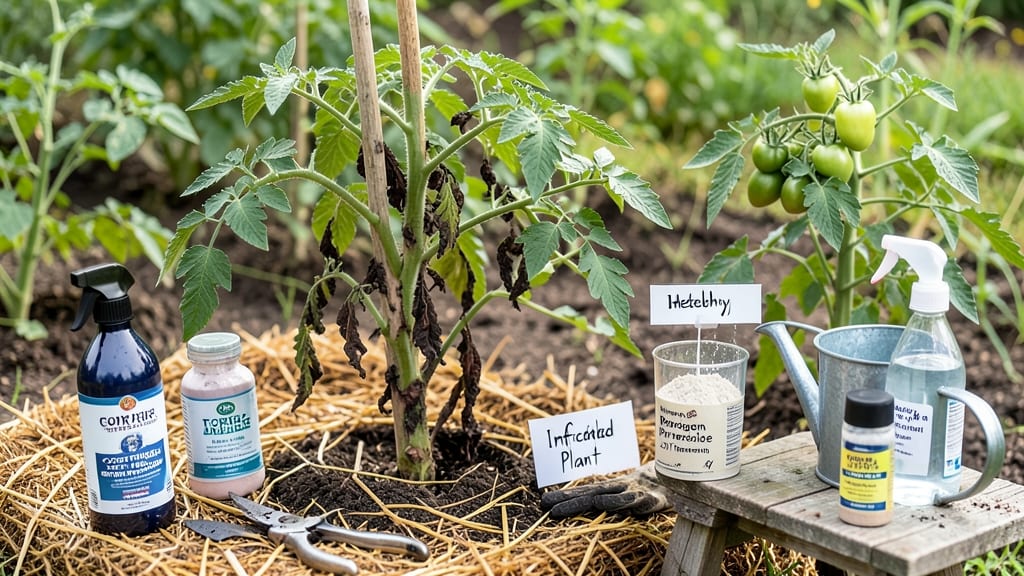
My tomato plants looked healthy one day, and suddenly wilted from the bottom up—the tomato stem rot treatment had become urgent. 🌱 The good news? This disease isn’t always a death sentence. With the right approach, you can revive plants and prevent future outbreaks in your garden.
Stem rot thrives in warm, damp soil and spreads through infected plants or contaminated tools. The first signs? Yellowing leaves, wilting that doesn’t improve at night, and stems that turn brown or black at the base.
If you catch it early, pruning infected parts and adjusting care can save your tomatoes.
In just three simple steps, you’ll prune diseased stems, improve drainage, and boost plant resilience. The key is acting fast—once the fungus spreads, recovery gets harder. But with the right techniques, you’ll still pull fresh tomatoes from those plants.
This method works for both organic and conventional gardens, whether you’re dealing with Fusarium or Verticillium wilt. The goal isn’t just to save this year’s crop but to build a healthier garden for seasons to come.
Root Causes Of Stem Rot
Tomato stem rot—also known as Phytophthora blight or sclerotinia stem rot—isn’t just a random plant ailment. It’s a sneaky combination of environmental stress, fungal invasions, and poor growing conditions that weaken your tomatoes until their stems literally collapse.
Understanding the why behind this disease is the first step to stopping it before it spreads. Let’s break down the key culprits:
Tomatoes thrive in well-drained soil, but when they’re overwatered—especially in containers or heavy clay soil—the roots suffocate. This creates the perfect breeding ground for Phytophthora, a water-loving fungus that thrives in soggy conditions.
- How it happens: Excess moisture softens the stem tissue, making it vulnerable to fungal invasion. The fungus enters through wounds (like pruning cuts) or even healthy skin if the stem stays wet for days.
- Science behind it: Phytophthora spores swim through water to infect plants. In as little as 48 hours of prolonged saturation, the fungus can colonize the stem, cutting off nutrient flow and causing wilting.
- Red flag: Yellowing leaves, blackened stems at the soil line, and a musty smell near the base of the plant.
Fungal pathogens like Sclerotinia sclerotiorum (the cause of sclerotinia stem rot) can lurk in soil for years as dormant structures called sclerotia. These hardy spores survive in compost, old plant debris, or even infested mulch, waiting for the right conditions to strike.
- How it spreads: Spores germinate in cool (50–75°F), moist environments—common in spring or fall gardens. They release mycelium (thread-like fungal strands) that infect stems directly or through leaf contact.
- Science behind it: Sclerotinia produces enzymes that break down plant cell walls, causing the stem to rot from the inside out. Infected plants often collapse overnight.
- Red flag: White, fluffy fungal growth on stems or a mushroom-like structure at the base of the plant.
Tomatoes are sensitive to temperature fluctuations. While they love warmth, sudden drops below 60°F or prolonged heat above 90°F stress the plant, weakening its natural defenses against pathogens.
- How it happens: Cold stress disrupts the plant’s cuticle (its protective skin), making it easier for fungi to penetrate. Heat stress, meanwhile, accelerates fungal growth by increasing spore production.
- Science behind it: Low temperatures reduce the plant’s phenolic compounds (natural antifungal chemicals), while high humidity (often paired with heat) creates a stagnant microclimate ideal for fungal spores.
- Red flag: Wilting despite adequate water, or brown, sunken lesions on stems during heatwaves.
Every cut or bruise on a tomato stem is an open invitation for fungi. Whether from rough handling, hail, or aggressive pruning, wounds provide direct entry points for pathogens like Phytophthora.
- How it happens: When you prune too close to the stem or use dull shears, you create jagged edges that don’t heal properly. Rain or overhead watering then washes spores into these wounds.
- Science behind it: Plants seal wounds with suberin, a waxy barrier. If the wound is too large or repeatedly disturbed, the barrier fails, allowing fungal hyphae to invade.
- Red flag: Dark, water-soaked spots at pruning sites that spread upward.
Tomatoes need space to breathe. When plants are overcrowded, humidity builds up between leaves, creating a greenhouse effect that traps moisture and fungal spores.
- How it happens: Stagnant air prevents water from evaporating quickly, keeping stems damp for long periods. Fungal spores (like Alternaria or Fusarium) hitchhike on water droplets, splashing from leaf to stem.
- Science behind it: High humidity (>75%) increases the relative humidity around the plant, slowing water evaporation and prolonging the window for fungal infection.
- Red flag: Leaf yellowing, black spots on foliage, and a sticky residue on stems (a sign of fungal spore buildup).
Key takeaway: Stem rot doesn’t happen in a vacuum—it’s usually a combo of these factors. The good news? Once you identify the triggers in your garden, you can flip the script with targeted fixes. Stay tuned for actionable solutions!
Fixing Tomato Stem Rot Now
Stem rot in tomatoes is a frustrating sight, but with the right approach, you can revive your plants and prevent further damage. Below, we break down practical fixes based on the root cause—whether it’s fungal infections, poor drainage, or environmental stress—and include prevention tips to keep your garden thriving.
If the rot has spread aggressively (blackened stems, wilting leaves, or foul odors), act fast to stop the disease from contaminating healthy plants.
- 🍳 Prune infected stems with sterilized pruners (wipe with rubbing alcohol between cuts).
- 👨🍳 Dig up severely affected plants and compost them separately (do not add to regular compost—this spreads spores).
- ⏰ Do this in the morning so the soil has time to dry, reducing fungal growth.
💡 Pro Tip: If only a few branches are infected, trim them back to healthy green tissue—the plant may recover!
Poor drainage and compacted soil are major culprits for stem rot. Fixing these issues stops future outbreaks.
| Problem | Solution | Prevention Tip |
|---|---|---|
| Waterlogged soil | Loosen soil with a garden fork and add perlite or coarse sand (20% mix). | Plant tomatoes in raised beds or hills. |
| Clay-heavy soil | Amend with compost + coconut coir to improve aeration. | Test soil pH (ideal: 6.0–6.8). |
| Overwatering | Water deeply but infrequently (1–2 inches per week). | Use drip irrigation to avoid leaf wetness. |
✨ Bonus Fix: If your garden has standing water, consider French drains or swales to redirect excess moisture.
If stem rot is fungal (common with Phytophthora or Fusarium), use organic or chemical treatments to halt spread.
🍄 Organic Solutions (Safe for Edibles)
- 🔥 Copper fungicide spray (apply at dusk to avoid leaf burn).
- 🌿 Neem oil solution (1 tbsp neem oil + 1 tsp dish soap + 1 quart water; spray weekly).
- 🍅 Baking soda mix (1 tsp baking soda + 1 quart water + a drop of soap; spray undersides of leaves).
💊 Chemical Options (For Severe Cases)
- 🔪 Phosphite-based fungicides (e.g., Phostrol)—most effective against Phytophthora.
- 🛡️ Follow label instructions—overuse can harm beneficial microbes.
💡 Pro Tip: Rotate treatments every 2–3 weeks to prevent resistance.
Once your tomatoes recover, lock in their health with these long-term strategies:
- 🌱 Crop rotation: Don’t plant tomatoes (or nightshades like peppers/eggplants) in the same spot for 3 years.
- 🌡️ Mulch properly: Use straw or wood chips (keep 6 inches away from stems to prevent moisture buildup).
- 🌿 Solarize soil (if rot was severe): Cover beds with clear plastic for 4–6 weeks in hot sun to kill pathogens.
- 🍅 Choose resistant varieties: Try ‘Mountain Merit’ or ‘Defiant PhR’ (Phytophthora-resistant hybrids).
⏳ Recovery Timeline:
- Mild cases: 1–2 weeks with proper care.
- Severe rot: May take 3–4 weeks or require replanting.
- Prevention starts now—healthy soil = happy tomatoes! 🍅💚
Frequently asked questions about tomato stem rot
Can I save a tomato plant with stem rot if only the bottom leaves are yellow?
Yes! If only the bottom leaves are yellowing and the stem is firm with no blackening, your plant may still recover. Prune the yellow leaves immediately, improve airflow around the plant, and reduce watering to 1 inch per week until new growth appears. Avoid overhead watering to prevent spores from spreading.
How do I know if my tomato plant has stem rot or just needs more water?
Check the stem at the soil line: if it’s soft, discolored (brown/black), or smells musty, it’s stem rot. Wilting from underwatering usually improves at night, while stem rot causes permanent wilting. Also, look for white fungal growth—this confirms fungal infection rather than drought stress.
Will copper fungicide work on my tomato plants if I've already seen white mold?
Yes, but act fast! Copper fungicide is effective against early-stage fungal infections like Phytophthora or Sclerotinia. Mix 1 tablespoon copper sulfate per gallon of water and spray thoroughly, including the soil line. For severe cases, combine with baking soda spray (1 tsp baking soda + 1 quart water) every 5 days until symptoms disappear.
Can I reuse soil from a pot where a tomato plant died from stem rot?
No, never reuse infected soil. Fungal spores can survive for years. Instead, solarize the soil by covering it with clear plastic for 4-6 weeks in hot sun, or replace it entirely with fresh potting mix. Sterilize containers by washing with a 10% bleach solution (1 part bleach to 9 parts water).
What's the fastest way to prevent stem rot in my container tomatoes?
Use well-draining mix (50% potting soil + 30% perlite + 20% compost) and water only when the top inch is dry. Add 1 tablespoon of hydrogen peroxide (3%) per gallon of water monthly to prevent fungal growth. Elevate containers on feet or saucers to improve airflow and avoid overhead watering.