
Pruning
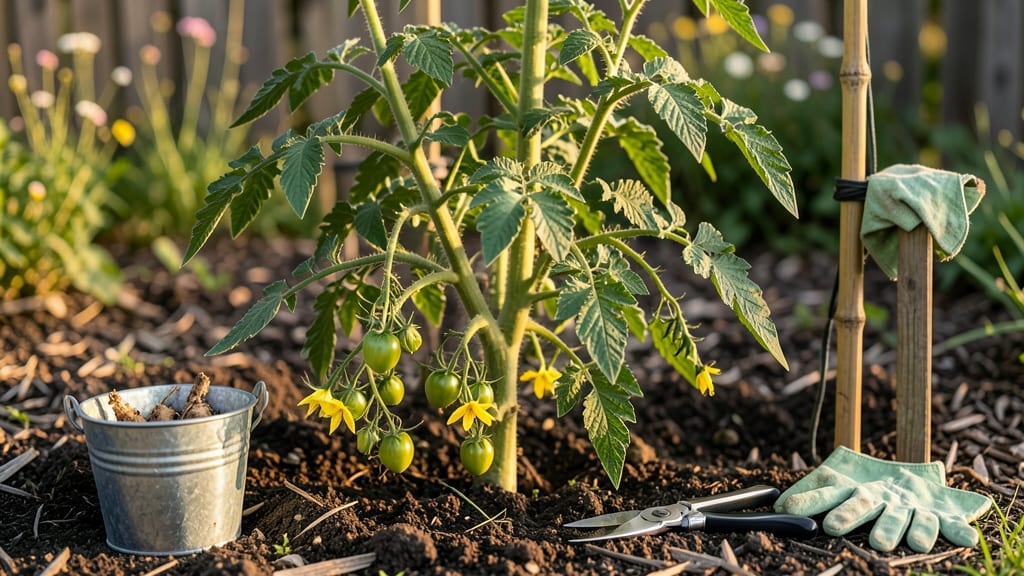
How to sucker tomato plants—those little side shoots between your stems and leaves—can make or break your harvest. I used to ignore them until I realized they were the reason my indeterminate tomatoes never produced as much as my neighbors'. Suckering—removing these side shoots—redirects all that plant energy into bigger, tastier fruit and stronger vines.
You’ll need sharp pruning shears (clean ones!), a sunny morning to work, and about 15 minutes per plant once you get the hang of it. The key is timing: start when plants are 12-18 inches tall and repeat weekly.
For determinate tomatoes (the bush types), you can skip this entirely—they don’t need suckering to thrive.
What you’ll end up with is a tomato plant that looks like a single, sturdy stem with leaves and flowers all along it. Those flowers turn into fruit that’s 20-30% larger than unpruned plants, and the vines stay strong enough to support the weight.
Plus, fewer suckers mean fewer places for pests to hide.
Fair warning: the first few times, you might over-prune or miss a sucker. But once you see the difference in yield, you’ll never go back. And if you’re growing in containers or small spaces, this technique makes your plants even more productive without taking up extra room.
📚 In This Guide
- What you need
- Instructions
- Tips and common mistakes
- Wrapping up and next steps
What you need
- ● Sharp pruning shears or scissors – Sterilized (rubbing alcohol or bleach wipe) to prevent disease. Bypass pruners (not anvil) are ideal for clean cuts.
- ● Gloves – Garden-grade (nitrile or leather) to protect from thorns and dirt.
- ○ Disinfectant (optional but recommended) – 70% isopropyl alcohol or a 10% bleach solution (1 part bleach to 9 parts water) for cleaning tools between cuts.
- ● Garden twine or soft plant ties – 3–4 feet per plant (if staking/supporting after pruning).
- ○ Stakes or cages (optional but helpful) – 5–6 ft tall stakes or cages (4–5 ft diameter) to support the plant post-pruning.
- ● Healthy tomato plants – At least 12–18 inches tall (indeterminate varieties only; determinate tomatoes don’t need suckering!).
- ● Mature suckers – 1–3 inches long (easier to spot and remove without stressing the plant).
- ● Sunny, dry day – Morning hours are best to avoid evening moisture (which can invite disease).
- ● Patience and a keen eye – Suckering is a gentle process—rush it, and you might damage the plant!
How to sucker tomato plants: prune for bigger harvests without sacrificing growth
Here’s the straightforward method I use to keep tomato plants productive and healthy all season.
Identify and Locate the Suckers
Suckers are the small shoots that grow in the "V" between the main stem and a branch. They appear at leaf junctions, usually about 2-3 inches long when ready to remove. I check my plants every 5-7 days during the growing season, starting when they reach 12-18 inches tall. Use your fingers or a small pair of pruning shears to gently feel for these tiny growths—they’ll be softer and more flexible than the main stem.
Don’t confuse suckers with leaves or flowers. Suckers grow at an angle, while leaves sprout directly from the stem. If you’re unsure, wait a day or two—the sucker will grow more noticeable. Removing them early ensures the plant directs energy to fruit production instead of unnecessary growth.
Remove Suckers at the Right Time
Pinch or cut suckers off just above a leaf node (the bump where leaves grow). This prevents the wound from healing into a weak point where disease could enter. If you’re using pruning shears, sterilize them with rubbing alcohol between plants to avoid spreading infections. I like to do this in the early morning, when the plants are turgid and less stressed from heat.
Never pull suckers—this can damage the main stem. Instead, twist gently or snip cleanly. If you miss a sucker, it’s okay; just remove it the next time you check. Over time, you’ll recognize the pattern of where they appear most frequently on your plants.
Balance Pruning with Plant Health
While removing suckers, keep an eye on the plant’s overall health. If the main stem looks weak or yellowing, stop pruning and focus on watering and sunlight. A healthy tomato plant should have deep green leaves and strong stems. Too much pruning can stress the plant, reducing its ability to produce fruit.
Leave 1-2 suckers near the top of the plant if it’s still growing vigorously. These can become future branches that support more fruit. But if your plant is flowering heavily, prioritize removing suckers to ensure energy goes to fruit development rather than new growth.
Monitor and Adjust Your Approach
After your first round of pruning, watch how the plant responds. If you see new suckers forming quickly, you’re likely pruning at the right time. If the plant looks stunted or stops producing flowers, you may have pruned too aggressively. Adjust your frequency—some varieties need more frequent pruning than others.
By mid-season, your goal shifts from removing suckers to encouraging fruit-bearing branches. Once the plant stops growing taller, focus on pruning only the suckers that appear on lower branches. This keeps airflow strong and reduces disease risk while maximizing yield.
Clean Up and Prevent Disease
After pruning, collect all removed suckers and dispose of them in the trash—not the compost. Suckers can harbor pests or diseases that might spread back to your plant. I also like to spray the pruning area with a copper fungicide (optional but helpful in humid climates) to prevent infections.
Keep your pruning tools sharp and clean to make cuts easier and reduce stress on the plant. A dull tool crushes stems, inviting disease. Wipe down shears with a cloth dampened with rubbing alcohol after each use to keep them ready for the next pruning session.
Tips & tricks for pruning tomato plants without stressing them
Here's what nobody tells you about keeping your tomato plants healthy while maximizing fruit production—these tricks have saved my harvests more times than I can count.
Timing is Everything: The early morning routine I mentioned in Step 2 isn't just about convenience—it's about plant physiology. Tomato plants are most hydrated and resilient first thing in the morning, which means they handle pruning better and recover faster. If you must prune later in the day, do it in the late afternoon when temperatures start to drop. Avoid midday heat, which stresses plants and makes them more susceptible to disease after pruning.
Tool Selection Matters: While fingers work for small plants, invest in a good pair of bypass pruners for larger tomato plants. The clean cut prevents tearing, which is crucial when removing suckers just above leaf nodes. I keep a small bottle of rubbing alcohol handy to sterilize my tools between plants—this simple step prevents spreading fungal diseases like early blight that can devastate tomato crops. For stubborn suckers, a small pair of nail clippers works surprisingly well.
Visual Cues for Perfect Pruning: When checking for suckers in Step 1, look for the classic "V" shape between the main stem and branch—this is where suckers always appear. The key visual is the angle: suckers grow at a 45-degree angle, while leaves grow straight out. If you're still unsure, wait 24 hours—the sucker will grow more noticeable. Pro tip: Use a small flashlight to inspect plants in the evening; the contrast makes suckers easier to spot against the foliage.
Seasonal Adjustments: Early in the season (before plants reach 12-18 inches), focus on removing all suckers to encourage strong main stems. As plants mature and start flowering, shift your approach—leave 1-2 suckers near the top to develop into productive branches. By mid-summer, when plants stop growing taller, concentrate on removing only lower suckers to improve airflow and reduce disease risk. This three-phase approach matches the plant's natural growth cycle perfectly.
Pro Tips for Sucker Tomato Plants
- Here's what nobody tells you about keeping your tomato plants healthy while maximizing fruit production—these tricks have saved my harvests more times than I can count.
- Timing is Everything: The early morning routine I mentioned in Step 2 isn't just about convenience—it's about plant physiology.
- Tool Selection Matters: While fingers work for small plants, invest in a good pair of bypass pruners for larger tomato plants.
Frequently asked questions
about suckering tomato plants can help clarify doubts and ensure a thriving harvest. Here are some common queries with straightforward answers:What exactly is a sucker, and why should I remove it?
A sucker is the small shoot that grows in the leaf axil (where a leaf meets the stem) of your tomato plant. Removing suckers redirects the plant’s energy toward fruit production instead of extra foliage. Without pruning, these shoots can weaken the plant and reduce yield, especially in indeterminate varieties.
When is the best time to sucker tomato plants?
Start pruning when your tomato plant is about 12–18 inches tall and has a few true leaves. Continue every 1–2 weeks during the growing season. Morning is ideal—it allows wounds to heal before evening moisture increases disease risk. Avoid pruning during hot afternoons or after heavy rain.
Can I use scissors or should I pinch suckers by hand?
Both work, but pinching by hand is gentler and faster for small suckers. Use clean pruning shears for thicker stems to avoid tearing. Never leave stubs—cut or pinch just above a leaf node to encourage healthy regrowth. Sterilize tools with rubbing alcohol between plants to prevent disease spread.
Will pruning tomato plants reduce my harvest?
Not if done correctly! Pruning indeterminate tomatoes (like cherry or beefsteak varieties) actually boosts fruit size and quality by improving airflow and sunlight penetration. Determinate tomatoes (bush types) need minimal pruning—focus on removing only diseased or crowded leaves. Over-pruning can stress the plant, so balance is key!
What should I do if my tomato plant looks weak after pruning?
Weakness can stem from over-pruning or environmental stress. If your plant wilts, reduce watering temporarily and ensure it gets 6+ hours of sunlight. Fertilize lightly with a balanced tomato feed (like 10-10-10) to recover. Avoid pruning during heatwaves—wait until temps drop below 85°F (29°C) for optimal healing.
Are there any tomato varieties that don’t need suckering?
Yes! Determinate varieties (e.g., Roma, Celebrity) produce fruit in clusters and don’t need heavy pruning. Some heirlooms, like Brandywine, benefit from light suckering, but cherry tomatoes (indeterminate) thrive with regular pruning. Always check your seed packet for variety-specific tips.
Wrapping up and next steps
Mastering the art of sucker removal is your secret weapon for bigger, healthier tomato plants—and the best part? You don’t need fancy tools or years of experience! With just a little patience and the right technique, you’ll be pruning like a pro in no time. 🌱✨
Ready to level up your garden game? Start by grabbing those pruners and giving your tomato plants the care they deserve. Then, take the next step: explore our guide on when and how often to prune for year-round success!