
Planting
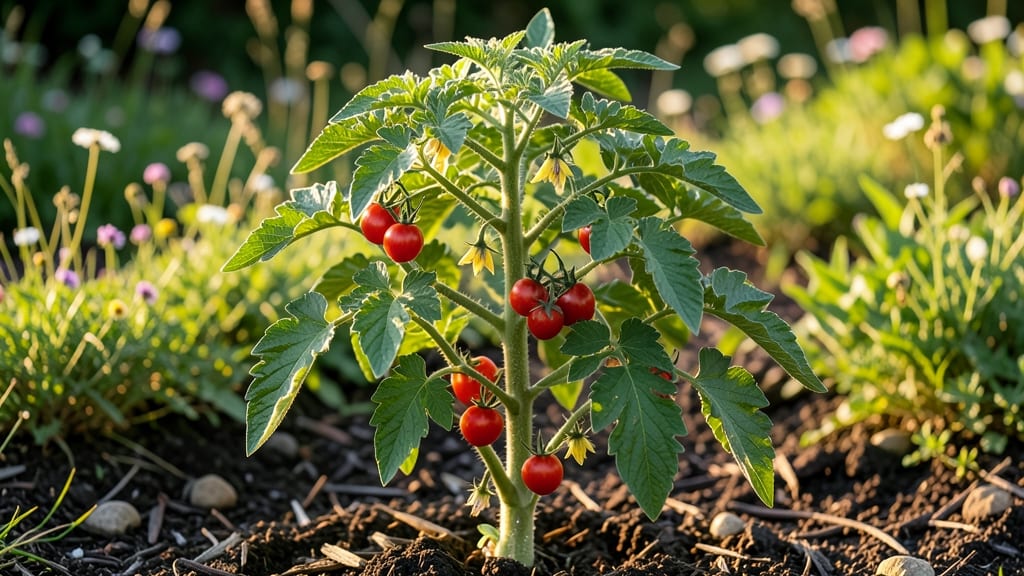
Growing the husk tomato plant means harvesting both fruit and edible flowers wrapped in papery husks—like nature’s own snack pack. 🌱 My first attempt had me questioning whether I’d overpromised the harvest, but once I learned the secrets of soil warmth and consistent moisture, the plants rewarded me with vibrant orange fruits that taste like a mix of tomato, pineapple, and citrus.
This isn’t your average tomato vine—it thrives in heat, needs rich, well-draining soil, and produces fruits that ripen 60-80 days after planting. The key is starting seeds indoors 8-10 weeks before your last frost, then transplanting when soil temps hit 65°F.
Without this step, seedlings often struggle in cooler climates. By midsummer, you’ll be snapping open those papery husks to reveal the juicy, tangy fruit inside. The plants also attract pollinators like bees and hummingbirds, making your garden a mini ecosystem.
Just watch for overwatering—these tropical plants prefer moisture but hate soggy roots. Perfect for warm climates (zones 9-11) or as a container plant in cooler areas. Let’s get those seeds started!
📚 In This Guide
- What you need
- Instructions
- Tips and common mistakes
- Wrapping up and next steps
What you need
- ● Husk tomato seeds – 3–5 seeds per plant (or 1–2 per pot if starting indoors). Choose heirloom varieties like Physalis peruviana or P. ixocarpa for best results.
- ● Well-draining potting mix – 10–15 lbs of high-quality, sterile soil amended with compost (avoid garden soil if container-growing).
- ● Containers or garden space – 5–7 gallon pots (with drainage holes) or a sunny garden bed with at least 6 hours of sunlight daily.
- ● Balanced fertilizer – 10–10–10 or organic options like fish emulsion (mix 1 tbsp per gallon of water).
- ● Mulch – Straw or shredded leaves (2–3 inches thick) to retain moisture and suppress weeds.
- ● Trowel or small shovel – For planting seeds and transplanting seedlings.
- ● Watering can or hose with gentle nozzle – Keep soil consistently moist but not soggy.
- ○ Trellis or stakes – 4–6 ft tall (optional but helpful for vertical growth).
- ● Pruning shears – To trim leggy vines and encourage bushier growth.
- ● Row covers or netting – Protects against pests like birds or aphids (especially useful in early growth).
- ● pH testing kit – Ideal soil pH for husk tomatoes: 6.0–7.0.
Step-by-step instructions for cultivating husk tomatoes
These striking vines thrive with minimal fuss once you master their unique growing quirks.
🌱 Step 1: Select and Prepare Your Planting Site
Husk tomatoes need full sun—at least 6-8 hours daily—and well-draining soil with a pH between 6.0-6.8. I always test my soil first; these plants wilt faster than regular tomatoes when roots suffocate. Amend heavy clay with 2-3 inches of compost mixed into the top 12 inches of soil to improve aeration.
Choose a spot with vertical support—they can reach 8-10 feet—so install a 6-foot-tall trellis or sturdy bamboo stakes before planting. The reason? Their heavy fruit clusters need extra stability. Space plants 3-4 feet apart to allow airflow and prevent fungal diseases that love damp foliage.
☀️ Step 2: Plant and Provide Early Support
Sow seeds ¼ inch deep after the last frost when soil reaches 60°F. If transplanting, bury 2/3 of the stem—this encourages stronger root development. I like to use biodegradable plant collars around each stem to prevent soil-borne diseases from creeping up.
Attach a soft twine or garden tie to the trellis immediately after planting. As the vine climbs, gently weave it through the support—never force growth. Watch for the first true leaves (the second set after the initial seed leaves) as your signal to begin regular watering. Water deeply 2-3 times weekly, aiming for 1-1.5 inches of moisture per week—more during flowering.
💧 Step 3: Fertilize and Train for Maximum Production
Feed with a balanced 10-10-10 fertilizer every 4-6 weeks starting when flowers appear. Husk tomatoes are heavy feeders, but too much nitrogen makes them leafy at the expense of fruit. I switch to a low-nitrogen, high-phosphorus formula (5-10-10) once buds form to boost flowering.
Train vines in a single stem by pinching off side shoots below the first 5-6 leaves. This directs energy to the main vine where the fruit clusters form. Prune yellowing leaves regularly—this prevents disease and improves airflow. You’ll see bright orange flowers by mid-summer, followed by papery husk-covered fruit in late summer.
✂️ Step 4: Harvest and Extend the Season
Harvest when the husk turns papery and brown—usually 60-70 days after flowering. The fruit inside should be firm but ripe. Cut the entire husk cluster with scissors to avoid damaging the vine. Store unwashed husks in a cool, dry place for up to 2 weeks—their flavor intensifies as they dry.
For a second harvest, protect vines with row covers in fall. Many husk tomatoes produce a small late-season crop if protected from frost. After the first hard freeze, cut vines at the base, compost the remaining foliage, and mark the spot—these plants self-seed aggressively, and you’ll likely find volunteers next spring.
Tips & tricks for cultivating thriving husk tomato vines
Mastering these vines isn't rocket science, but a few key insights will help you avoid the most common growing pitfalls.
Soil Preparation Secret: The 6.0-6.8 pH range isn't just a number—it's the sweet spot for calcium uptake, which prevents blossom-end rot that can ruin your harvest. I test my soil every year because these vines reveal deficiencies faster than regular tomatoes. For heavy clay soils, mix in that 2-3 inches of compost all the way down to 12 inches—this creates the perfect air pockets their roots crave. Think of it as giving them a fluffy pillow to grow into.
Watering Wisdom: Those 2-3 weekly waterings should be deep, not frequent. I use a moisture meter to check when the top 2 inches are dry before watering again. The key is consistency—husk tomatoes hate wet feet but also can't handle drought stress, which causes fruit to split. During flowering, increase to 1.5 inches weekly, but always water at the base, never overhead. Wet foliage invites fungal diseases that these tropical vines despise.
Pruning Strategy: When you pinch off those side shoots below the first 5-6 leaves, you're not just shaping the plant—you're creating a highway for nutrients to reach the main stem where the fruit forms. I make this my weekly ritual: grab a pair of clean pruners, snip anything growing below that 6th leaf mark, and remove any yellowing leaves. This might seem drastic, but it prevents fungal spores from building up and keeps air circulating so your vines stay healthy and productive.
Harvesting Hack: That 60-70 day window after flowering is your sweet spot for harvest, but don't wait until the husk is completely brown—aim for when it's just starting to turn papery. The fruit inside should feel firm but yield slightly when gently squeezed. I harvest in the morning when temperatures are coolest, which helps preserve the delicate flavor. And here's a pro move: leave the husks on until you're ready to use them—they protect the fruit and actually intensify the flavor as they dry.
Pro Tips for Husk Tomato Plant
- Mastering these vines isn't rocket science, but a few key insights will help you avoid the most common growing pitfalls.
- Soil Preparation Secret: The 6.0-6.8 pH range isn't just a number—it's the sweet spot for calcium uptake, which prevents blossom-end rot that can ruin your harvest.
- Watering Wisdom: Those 2-3 weekly waterings should be deep, not frequent.
Frequently asked questions
Got questions about growing husk tomato plants? You’re not alone!
Here are answers to the most common queries from gardeners just like you—whether you're a beginner or a seasoned pro looking for troubleshooting tips.
How long does it take for husk tomato plants to produce edible flowers and fruits?
Patience is key with husk tomatoes! These vining plants typically take 80–120 days to mature from seed, depending on your climate. Edible flowers (the "husk tomatoes" themselves) appear first, followed by small, tomato-like fruits later in the season. Start seeds indoors 6–8 weeks before the last frost for the best results.
Can husk tomato plants survive winter, or do I need to replant every year?
Husk tomatoes are annuals in most climates, meaning they won’t survive winter outdoors. However, they’re easy to grow from seed each year! Save seeds from your healthiest plants for next season (they dry well on the vine) or buy fresh seeds annually. If you live in USDA Zones 9–11, they may overwinter in mild winters with protection.
Why aren’t my husk tomato flowers turning into husk tomatoes or fruits?
No flowers or fruits? Don’t panic—it’s often a pollination or care issue. Husk tomatoes rely on bees and wind for pollination, so plant them near other pollinator-friendly flowers. Check for these common culprits:
- Too little sunlight (they need 6+ hours of direct sun daily).
- Overwatering (keep soil moist but well-draining).
- Nutrient deficiency (feed with a balanced fertilizer when flowers appear).
- Extreme heat (above 90°F can stunt blooms—provide shade if needed).
What can I do with husk tomato plants if I don’t want to eat the flowers or fruits?
Husk tomatoes are versatile beyond the plate! Use the edible flowers and fruits in:
- Decorative garnishes (sprinkle on salads or cocktails for a floral touch).
- Herbal teas (dry the flowers and steep like chamomile).
- Dried crafts (press flowers for potpourri or wreaths).
- Compost (chop up vines and leaves for nutrient-rich compost).
Are husk tomato plants invasive or toxic to pets?
Husk tomatoes are non-invasive and non-toxic to pets (cats and dogs) in moderation. However, their seeds can be irritating if ingested in large amounts—so monitor curious pets. The plants themselves are safe for companion planting with herbs like basil or marigolds, which may deter pests naturally.
Wrapping up and next steps
Growing husk tomato plants is a rewarding adventure that brings unique flavors and stunning blooms to your garden! 🌸 Whether you're drawn to their edible flowers, tangy fruits, or striking vines, these plants offer something special for every gardener.
With the right care—sunlight, support, and patience—they’ll thrive and even reward you with a bountiful harvest.
Ready to dive in? Start by gathering your supplies, choosing the perfect spot, and planting your husk tomatoes with confidence. Happy gardening—your taste buds (and your garden) will thank you! 🌱