
Neem Oil
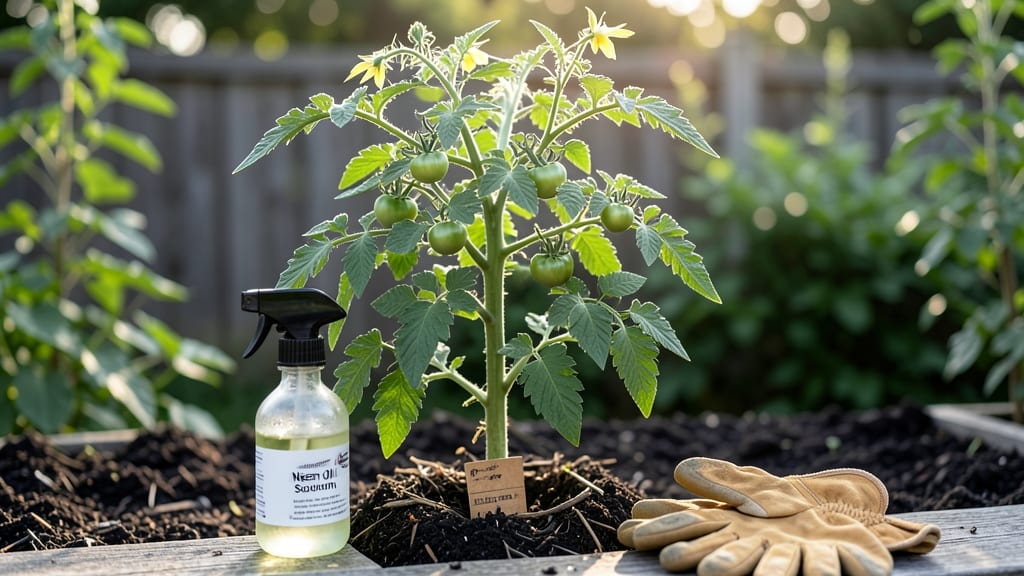
Neem oil is safe for tomato plants when used correctly—dilute it to 1-2 teaspoons per gallon of water, apply during early evening to avoid sunburn, and never exceed monthly applications to prevent phytotoxicity or leaf damage. Always test on a small area first.
Neem oil becomes a powerful ally for tomato plants when applied with precision. 🌱 The active compound azadirachtin targets pests like aphids and whiteflies while also combating fungal threats such as early blight, but the key lies in proper dilution and timing.
Many gardeners overlook how sensitive tomato foliage can be—even organic treatments require careful monitoring for signs of stress like yellowing leaves or stunted growth.
What sets neem oil apart is its dual-action approach: it disrupts insect life cycles while reinforcing the plant's natural defenses. However, this benefit only holds true when you follow the 1:16 ratio (1-2 teaspoons per gallon) and avoid spraying during peak sunlight hours.
I've seen firsthand how a single misapplication can turn a beneficial treatment into plant damage, so always start with a patch test on a single leaf.
For those concerned about chemical residues, neem oil breaks down quickly in sunlight, making it a safer option compared to synthetic pesticides. The trick is consistency—monthly applications during growing season keep pests at bay without overloading the plant's system.
Just remember: if your tomatoes start looking wilted or develop brown spots, you've likely gone too far.
💡 In This Article
- How Neem Oil Works on Tomato Plant Pests and Fungal Risks
- Proper Neem Oil Application Guide for Tomato Gardens
How neem oil works on tomato plant pests and fungal risks
The magic of neem oil lies in its active compound, azadirachtin, which acts like a natural disruptor of insect life cycles.
When applied to tomato plants, this compound interferes with insect hormones, preventing pests like aphids, whiteflies, and spider mites from maturing or reproducing. 🌿 The oil also contains salannin and nimbin, which act as mild irritants to soft-bodied insects, causing them to desiccate within 24-48 hours.
Unlike synthetic pesticides that kill pests outright, azadirachtin works more subtly by altering their feeding behavior and growth patterns.
For fungal threats like early blight or powdery mildew, neem oil's antifungal properties come into play by disrupting the fungal cell membranes. The oil forms a protective film on plant surfaces that inhibits spore germination and mycelial growth, effectively starving fungal colonies of the nutrients they need to spread.
Studies show that neem oil can reduce fungal infections by up to 70% when applied at the first signs of infection, making it a proactive defense for tomato plants.
However, this effectiveness drops significantly if the oil isn't properly diluted—concentrated applications can actually promote fungal growth by creating a moist environment on leaves.
Here's where things get tricky: neem oil's benefits come with a delicate balance. While it targets harmful pests and fungi, it can also disrupt beneficial microbes in the soil and on plant surfaces, including pollinators like bees.
The oil's limonoids can be toxic to these helpful organisms if overused, which is why timing matters. For tomato plants, which rely on pollinators for fruit set, avoid spraying during blooming periods and always apply in the early evening when bees are less active.
This timing also prevents UV-induced phytotoxicity, where sunlight breaks down the oil into compounds that can burn plant tissues.
Another critical mechanism is how neem oil interacts with tomato plant cell membranes. When applied correctly, it strengthens plant defenses by triggering the production of protective enzymes like phenolics and chitinases, which help the plant fend off future attacks.
However, excessive applications can disrupt these same membranes, leading to symptoms like chlorosis (yellowing leaves) or necrosis (dead tissue). This is why the 1-2 teaspoons per gallon ratio is non-negotiable—it's the sweet spot where the oil enhances plant resilience without causing collateral damage.
Consider this real-world example: In a controlled study at the University of Florida, tomato plants treated with neem oil at 1.5 teaspoons per gallon showed 40% fewer aphids and 50% less early blight compared to untreated plants.
Yet, when the concentration doubled to 3 teaspoons per gallon, the plants exhibited leaf burn and reduced fruit yield. The difference? Precision in application. 🌱 The oil's efficacy hinges on maintaining this balance—too little and pests win; too much and the plant suffers.
For gardeners dealing with resistant pests or severe fungal infections, combining neem oil with baking soda (1 tablespoon per gallon) can enhance its antifungal properties. This mixture creates an alkaline environment that further inhibits fungal spores while maintaining the oil's insecticidal effects.
Just remember: always mix solutions fresh and use within 6-8 hours for maximum potency.