
Plants
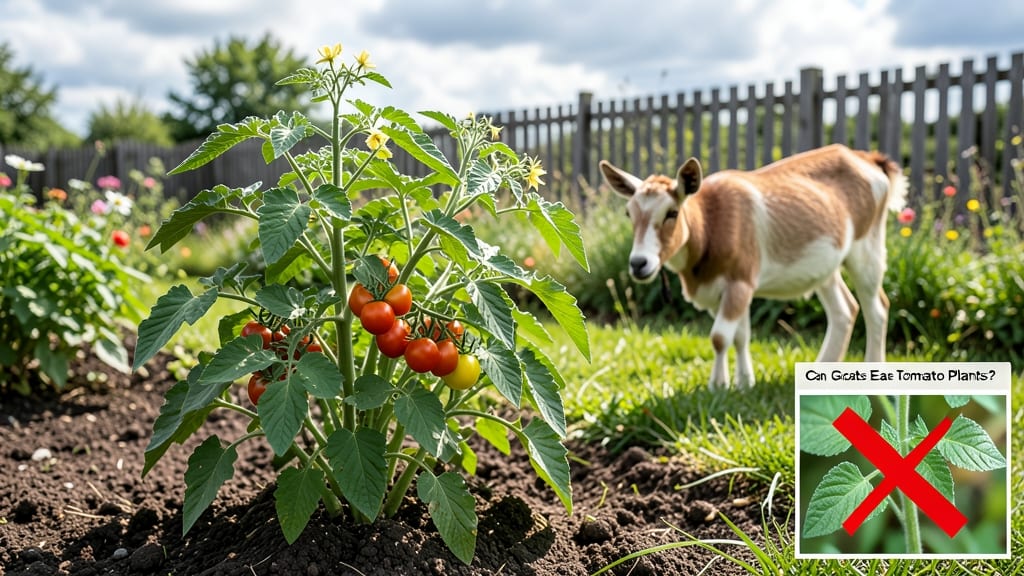
Can goats eat tomato plants? Yes, but only the leaves and stems in moderation—never the green, unripe fruit or leaves, as they contain toxic solanine. Ripe red tomatoes are safe, but overfeeding may cause digestive upset. Always introduce garden plants gradually to monitor reactions.
Tomato plants contain solanine, a natural toxin that affects goats' digestive systems when consumed in unripe parts. 🌱 The green fruit and leaves pose the highest risk, while fully ripe red tomatoes are safe in small amounts.
I've found that goats can handle occasional tomato leaves as a treat, but their diet should primarily consist of grass, hay, and other goat-safe plants. Introducing new plants slowly helps you spot any adverse reactions, like bloating or diarrhea, before they become serious.
For safe feeding, always wash garden plants thoroughly to remove pesticides or dirt.
Chopping leaves into smaller pieces makes them easier to digest. 🌿 If you're growing tomatoes in your backyard, consider setting aside a small section of the plant for your goats—just remember that variety is key to keeping their diet balanced and healthy.
💡 In This Article
- Toxic Risks in Tomato Plants for Goats
- Safe Feeding Practices for Goats with Garden Plants
Toxic risks in tomato plants for goats
Tomato plants produce solanine, a glycoalkaloid toxin concentrated in the green parts—especially the unripe fruit and leaves. This compound acts as a natural pesticide, protecting the plant from insects and herbivores.
In goats, solanine disrupts the nervous system by binding to acetylcholine receptors, causing symptoms like drooling, weakness, or even paralysis in severe cases. 🌿 The toxicity level varies: green tomato leaves contain about 5-10 mg of solanine per 100g, while ripe red fruit has negligible amounts (0.1 mg per 100g).
What makes ripe tomatoes safe is their lower solanine content and higher water concentration (about 95% water), which dilutes any remaining toxins. However, the stems and leaves—even from ripe plants—still carry solanine, though in reduced amounts.
Goats metabolize solanine differently than humans; their rumen bacteria partially break it down, but excessive consumption overwhelms their system. A 500g goat might tolerate 10-15g of fresh tomato leaves daily without issues, but this varies by individual sensitivity.
The danger escalates with young, fast-growing tomato plants, which produce more solanine as a defense mechanism. These plants often have a bitter taste—goats instinctively avoid them, but curious nibbling can still lead to poisoning. Symptoms appear within 6-24 hours and include lethargy, diarrhea, or vomiting.
In rare cases, cardiac issues arise from prolonged exposure. 🚨 This is why vets recommend treating tomato plants as "occasional treats" rather than staples in a goat's diet.
Interestingly, cooking reduces solanine levels by up to 50%, but goats rarely eat cooked garden plants. If you're feeding tomato leaves, opt for mature, fully green (not purple) foliage, which contains slightly less toxin.
Always monitor your goats after introducing new plants—some breeds, like Nigerian Dwarfs, are more sensitive to solanine than larger breeds like Nubians.
For comparison, potatoes contain similar glycoalkaloids (solanine/chaconine), and green potatoes are also toxic to goats. The key difference is that tomatoes' solanine is primarily in the green parts, while potatoes' toxins are distributed throughout the tuber. This distinction helps explain why ripe tomatoes are safe while their foliage requires caution.