
Planting
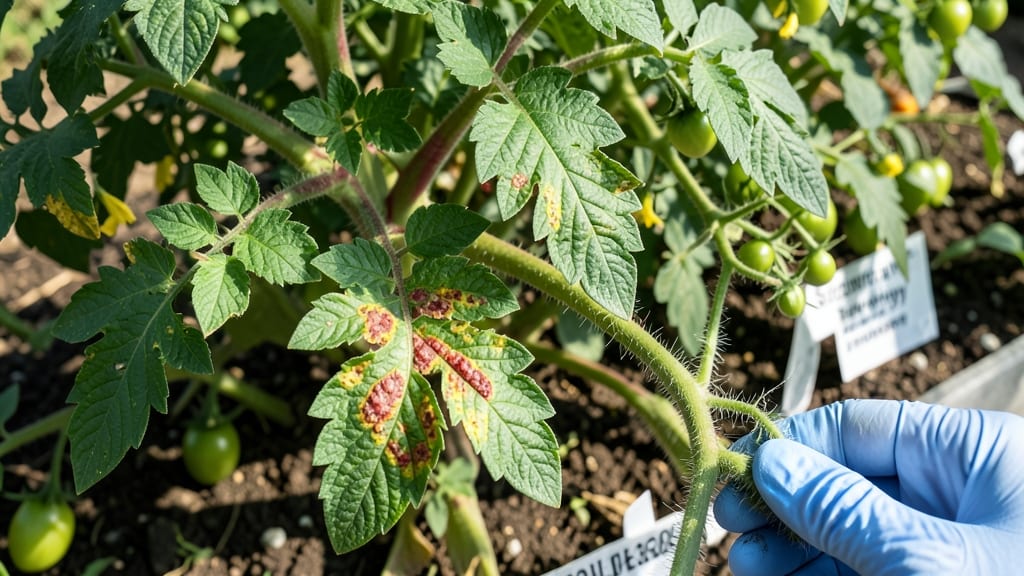
Dealing with tomato plant allergies doesn’t mean giving up your garden dreams. ✨ The itchy skin or sneezing fits after handling plants can be frustrating, but there are smart ways to keep growing tomatoes safely—without the reactions.
I’ve learned which varieties are gentler on sensitive skin and how to protect yourself while still enjoying a bountiful harvest.
The culprit is often the sap or pollen from tomato plants, which can trigger reactions in some people. Wearing nitrile gloves when pruning or harvesting cuts exposure dramatically, and rinsing your hands afterward helps too.
Some gardeners swear by allergy-tested varieties like 'Mountain Merit' or 'Defiant PhR,' bred to be lower in problematic compounds, though individual reactions vary.
You’ll still get to enjoy fresh tomatoes—just with fewer sneezes. Try growing in well-ventilated spaces, like raised beds with good airflow, and avoid handling plants when pollen counts are high.
A simple vine spray with water after touching leaves can also reduce irritation. The right precautions mean you can keep gardening without the discomfort.
For extra peace of mind, rotate crops yearly to minimize buildup of allergens in the soil, and consider growing tomatoes in containers if your yard is particularly troublesome. Small adjustments make a big difference—so you can focus on the harvest, not the hives.
📚 In This Guide
- What you need
- Instructions
- Tips and common mistakes
- Wrapping up and next steps
What you need
- ● Allergy-safe plant seeds or seedlings: Opt for 10-15 varieties of hypoallergenic alternatives like: Swiss chard (3-5 plants)
- ● Zucchini (2-3 plants)
- ● Peppers (bell or jalapeño, 4-6 plants)
- ● Eggplant (2 plants)
- ● Green beans (5-7 plants)
- ● High-quality potting mix: 10-12 bags (sterilized, organic, and free from tomato residues)
- ● Containers or garden beds: Large pots (5-gallon size, 5-10 units)
- ● OR raised garden beds (4'x8' or larger)
- ● Glove set: 2-3 pairs (nitrile or latex-free for sensitive skin)
- ● Pruning shears: 1 pair (sterilized with rubbing alcohol)
- ● Watering can or hose: 1 unit (with adjustable nozzle)
- ● Organic fertilizer: 1-2 bags (balanced, 10-10-10 NPK ratio)
- ● pH testing kit: To monitor soil acidity (6.0-7.0 ideal)
- ● Mulch: Straw or shredded leaves (5-10 bags) to retain moisture
- ● Compost bin: For nutrient-rich soil amendments
- ● Plant labels: Waterproof markers (20-30 units) to track varieties
- ● Pollinator-friendly flowers: 3-5 plants (e.g., marigolds or sunflowers)
- ● Safety goggles: For handling seeds or soil
Safe gardening alternatives for tomato allergies
Here’s how to create a thriving garden without triggering sensitivities—focused on non-toxic, skin-safe plants that still deliver flavor and beauty.
🌿 Step 1: Identify Allergy Triggers in the Garden
Tomato allergies often stem from contact with solanine (found in stems and leaves) or latex proteins in the plant family. First, swap out tomatoes entirely—even composting them can release airborne particles. Focus instead on non-solanaceous plants like peppers (bell, jalapeño), cucumbers, or eggplants (though some may still cause reactions).
For extra caution, avoid nightshades entirely and opt for allergy-friendly herbs like basil, parsley, or cilantro—these have no known cross-reactivity with tomato allergies. Keep a journal of any garden contact symptoms (itching, rashes) to refine your safe list over time.
🌱 Step 2: Select Skin-Safe Vegetables and Herbs
Start with low-risk alternatives like leafy greens (spinach, kale), root vegetables (carrots, beets), and cruciferous veggies (broccoli, cabbage). These families rarely trigger tomato-related allergies. For herbs, rosemary, thyme, and oregano are excellent choices—they’re aromatic, pest-repellent, and non-irritating.
If you’re unsure about a plant, test it first: Wear gloves while handling, then wash hands thoroughly. Wait 24 hours to check for reactions. For edible flowers (like nasturtiums), always harvest with gloves and rinse before eating.
💧 Step 3: Implement Allergy-Friendly Garden Practices
Wear nitrile gloves (latex-free) whenever pruning, harvesting, or weeding. Avoid shaking plants or touching foliage with bare hands—sap from even safe plants can irritate sensitive skin. After gardening, wash hands with fragrance-free soap and change clothes to remove residual particles.
Designate a separate toolkit for allergy-safe plants to prevent cross-contamination. Sterilize pruners between uses with 70% isopropyl alcohol. If you’re growing flowers for pollinators, choose non-toxic varieties like marigolds or sunflowers—they won’t trigger allergies but still support bees and butterflies.
☀️ Step 4: Create a Low-Allergen Garden Layout
Group high-touch plants (like herbs or edibles) in a central, easily accessible bed to minimize wandering through allergenic areas. Use hardscape barriers (gravel paths, mulch) to separate tomato-free zones from any remaining nightshades in neighboring gardens. This reduces accidental exposure.
For container gardening, choose elevated pots (12+ inches deep) to grow allergy-safe veggies like lettuce or green onions. Elevating plants reduces soil contact and makes harvesting easier with gloves. Place pots on non-porous surfaces (like concrete or plastic trays) to avoid soil-borne irritants.
✂️ Step 5: Maintain a Reaction-Free Garden Routine
Water plants in the early morning to allow foliage to dry before evening—damp leaves can trap allergens. Avoid overhead watering, which spreads sap. Instead, use drip irrigation or soaker hoses to keep moisture at the roots.
Regularly inspect plants for pests (like aphids), which can exacerbate sensitivities. Use neem oil or insecticidal soap (applied with gloves) instead of harsh chemicals. Always rinse produce thoroughly before eating, even if grown organically.
Tips & tricks for safe gardening with tomato allergies
Avoiding tomato-related allergens doesn't mean sacrificing a vibrant garden. These practical strategies help you create a thriving, skin-safe space that still delivers flavor and beauty.
Allergy Testing Protocol: When introducing new plants like basil or cilantro in Step 2, I recommend a two-phase test. First, handle the plant with gloves for 3 days, then touch it barehanded for 3 days. After the 24-hour wait period mentioned, monitor for any itching or redness. This progressive approach helps identify sensitivities before full exposure. The 24-hour window is critical—don't rush this step, as reactions can develop gradually.
Plant Selection Strategy: For the cruciferous vegetables mentioned in Step 2, focus on varieties with smooth leaves like buttercrunch lettuce or flat-leaf parsley. These minimize surface area contact with potential irritants. I've found that curly-leaf varieties can trap more sap in their intricate structures, increasing exposure risk. When selecting herbs, opt for bushier varieties like oregano or thyme—they're easier to harvest with gloves and less likely to shed irritating particles.
Garden Layout Optimization: In Step 4, consider creating a "three-zone system" for your garden beds. Zone 1 contains your high-touch edibles (herbs and greens), Zone 2 has low-contact plants (like sunflowers), and Zone 3 can be reserved for any remaining nightshades if you must have them nearby. Use gravel paths at least 2 feet wide between zones to prevent accidental cross-contamination when moving between areas. This physical separation reduces airborne particle transfer significantly.
Pest Management Without Irritants: When dealing with pests in Step 5, I've had success with a homemade neem oil spray made from 1 tablespoon neem oil, 1 teaspoon mild liquid soap, and 1 quart of water. Apply this solution in the early morning with gloves on, then rinse plants thoroughly after 2 hours. The 24-hour testing period applies here too—monitor for any skin reactions after using homemade remedies, as some essential oils can be sensitizing even when diluted.
Pro Tips for Tomato Plant Allergy
- Avoiding tomato-related allergens doesn't mean sacrificing a vibrant garden.
- Allergy Testing Protocol: When introducing new plants like basil or cilantro in Step 2, I recommend a two-phase test.
- Plant Selection Strategy: For the cruciferous vegetables mentioned in Step 2, focus on varieties with smooth leaves like buttercrunch lettuce or flat-leaf parsley.
Frequently asked questions
Got questions about tomato plant allergies?
You’re not alone—many gardeners and home cooks worry about reactions to these versatile (but sometimes tricky) plants. Below, we’ve rounded up the most common concerns and practical solutions to keep your garden—and your health—safe and thriving.
What are the most common symptoms of a tomato plant allergy?
A tomato plant allergy (often linked to Solanaceae family proteins) may cause itchy skin, hives, swelling, or digestive upset after touching leaves, stems, or even inhaling pollen. Some people also react to raw tomatoes, experiencing oral tingling or stomach discomfort. If symptoms like wheezing or throat tightness occur, seek medical help immediately—these could signal a severe reaction.
Can I grow tomatoes safely if I’m allergic to the plant?
Yes! Opt for hypoallergenic varieties like cherry tomatoes (e.g., 'Sugar Snap') or heirloom types with lower solanine levels. Always wear gloves when handling plants, wash hands thoroughly, and avoid touching your face. Grow tomatoes in containers to limit cross-contamination with other garden plants, and harvest only when fully ripe—unripe tomatoes contain more allergenic compounds.
How long does it take for tomato plant allergy symptoms to appear?
Symptoms can show up within minutes to hours after exposure, depending on sensitivity. Skin reactions (itching, rashes) often appear first, while respiratory or digestive issues may take 1–2 hours. If you’re unsure, conduct a patch test: Apply a small amount of crushed tomato leaf to your inner arm and wait 24 hours. Never test on broken skin!
Are cooked tomatoes safer than raw ones for allergies?
Cooking reduces some allergens but doesn’t eliminate them entirely. Peeling and cooking tomatoes thoroughly (e.g., in sauces or stews) may lower risk, but cross-contamination with raw plant parts is still possible. If you’re highly sensitive, avoid raw tomatoes and opt for non-Solanaceae alternatives like cucumbers, bell peppers (from different plants!), or zucchini.
What should I do if I accidentally touch a tomato plant and react?
Act fast! Wash the area with soap and cool water immediately to remove residue. Take an antihistamine (like Benadryl) if you have hives or itching, and monitor for worsening symptoms (e.g., difficulty breathing). Keep an epinephrine auto-injector on hand if you’ve had severe reactions before. For skin irritation, apply a hydrocortisone cream or cool compress. See a doctor if symptoms persist beyond 24 hours.
| Quick Troubleshooting Guide |
|---|
| Itchy skin after gardening? → Wash with mild, fragrance-free soap; apply calamine lotion. |
| Stomach ache after eating tomatoes? → Stick to peeled, cooked tomatoes or try allergy-tested substitutes. |
| Pollen allergies flaring? → Water plants in the evening (pollen spreads less) and wear a mask when pruning. |
Wrapping up and next steps
If you love gardening but struggle with a tomato plant allergy, don’t let it stop you! With the right safe alternatives—like eggplants, peppers, or herbs—you can still enjoy a thriving, allergy-friendly garden. Start small, test new plants carefully, and always prioritize your comfort and health.
Ready to transform your garden? Pick one of these alternatives this season and grow with confidence! 🌱✨