
Pests
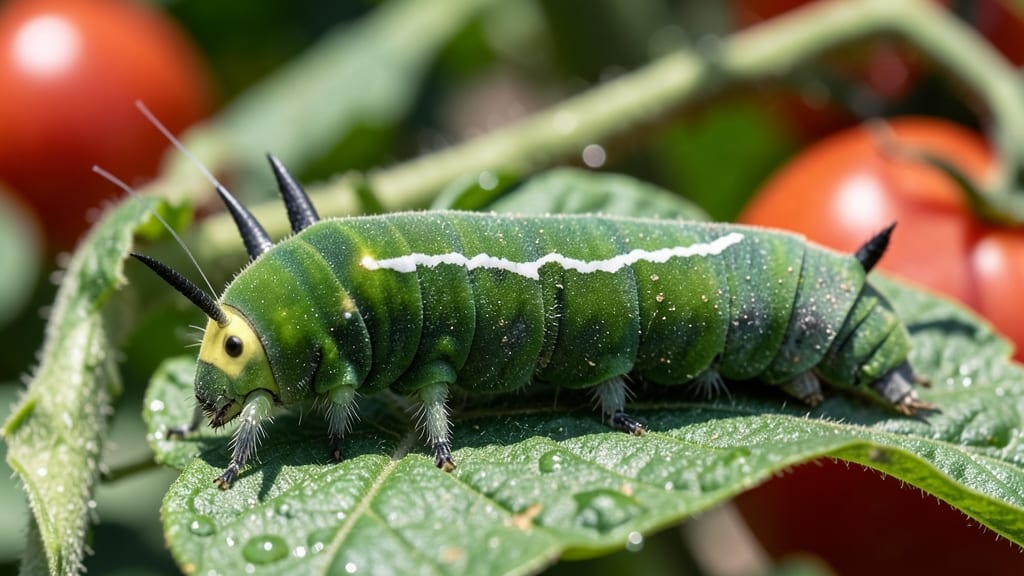
Those large tomato caterpillars feasting on your tomato plants aren’t just a nuisance—they’re hornworms, and they can strip a plant bare in days. 🌱 I’ve lost entire tomato plants to these hungry pests, but I’ve also learned how to stop them without harming my garden’s delicate balance—or my family’s dinner plans.
The key is acting fast: these caterpillars grow from tiny eggs to 4-inch monsters in weeks, and by then, they’ve already caused serious damage. The good news? You don’t need harsh chemicals to win this battle.
Simple, organic methods like handpicking, introducing beneficial insects, or using homemade sprays can keep your plants thriving without risking your health or the ecosystem.
What you’ll end up with is a tomato plant that recovers quickly, produces fruit without gaps, and stays strong enough to fend off future pests. The best part? These solutions work just as well for peppers, eggplants, and other nightshades—so you’re not just saving tomatoes, you’re protecting your entire garden.
Whether you’re dealing with a sudden outbreak or just want to prevent one, this approach keeps your garden healthy and your harvests bountiful. Let’s get those plants back on track—naturally.
Why Tomato Plants Invite Pests
If your tomato plants are becoming a buffet for large caterpillars—like the infamous hornworm or tomato fruitworm—it’s likely due to a mix of environmental factors, plant health, and even your garden’s layout.
Understanding these triggers can help you prevent infestations before they start. Here’s why these leafy feasts happen and what you can do about it.
Large tomato caterpillars don’t just appear out of nowhere—their parents (moths) are scouting for the perfect place to lay eggs. Overripe, cracked, or bruised tomatoes release volatile organic compounds (VOCs), which act like a dinner bell to female moths.
These chemicals signal that the fruit is soft and easy to penetrate, making it an ideal nursery for hungry larvae.
- 🔍 What to watch for: Check for small, white eggs (laid in clusters) on the undersides of leaves or near blossom ends.
- 💡 Prevention tip: Harvest tomatoes promptly and remove any fallen or damaged fruit from the garden. Pro tip: Use a fine mesh row cover to block moths from accessing plants entirely.
- 🌡️ Temperature matters: Moths are most active in warm, humid nights (70–85°F), so evening inspections can catch early signs.
A healthy tomato plant is resilient—it can fend off pests better than a stressed one. When plants lack nutrients, water, or sunlight, their leaves become softer and more palatable to caterpillars. Additionally, stressed plants produce less defensive compounds (like alkaloids) that would normally deter herbivores.
| Stress Factor | Signs to Look For | How to Fix It |
|---|---|---|
| Nutrient Deficiency | Yellowing leaves, stunted growth, weak stems | Add balanced fertilizer (10-10-10) or compost tea. Focus on nitrogen for leafy growth. |
| Underwatering | Wilted leaves, dry soil, curled edges | Water deeply 1–2 inches per week (check soil moisture with your finger). Mulch to retain moisture. |
| Overcrowding | Poor airflow, fungal spots, slow growth | Prune suckers and thin plants to 18–24 inches apart. Use cages or stakes for support. |
| Pest or Disease Damage | Holes in leaves, black spots, sticky residue | Remove infected foliage and treat with neem oil or insecticidal soap. |
🎯 Key takeaway: A thriving tomato plant is less appealing to caterpillars. Regularly inspect for signs of distress and address them before pests arrive.
Your garden’s design can unintentionally invite large caterpillars. For example:
- 🌿 Monoculture planting: Growing only tomatoes (or other nightshades like peppers/eggplants) creates a feast for moths. They’ll lay eggs en masse because food is abundant.
- 🌿 Nearby weedy areas: Wild plants like datura or henbane act as alternative hosts for moths, increasing their numbers near your garden.
- 🌿 Poor drainage: Waterlogged soil weakens roots, making plants more susceptible to pests. Caterpillars also thrive in humid microclimates.
💡 Actionable fixes:
- Plant companion crops like basil, marigolds, or borage to repel moths naturally.
- Remove weeds within 10 feet of your tomato patch to eliminate moth breeding grounds.
- Improve soil drainage with organic matter (compost or sand) to reduce stress on plants.
Large tomato caterpillars follow a predictable life cycle, with outbreaks timing closely to your tomato’s growth stages:
| Seasonal Stage | What’s Happening | Your Defense Strategy |
|---|---|---|
| Early Season (Spring) | Moths emerge from overwintering pupae. Eggs laid on young leaves. | Use row covers until flowers appear (then remove to allow pollination). |
| Mid-Season (Summer) | Caterpillars hatch and devour leaves/fruit. Moths are most active at dusk. | Handpick caterpillars daily (especially hornworms) and drop them in soapy water. |
| Late Season (Fall) | Surviving caterpillars pupate in soil to overwinter as moths. | Till soil in fall to disrupt pupae (or leave them for birds to eat). |
✨ Pro tip: Set up a black light trap near your garden in summer to monitor moth activity and act early.
Natural Ways to Remove Caterpillars
If you’ve spotted a large tomato caterpillar munching through your plants, don’t panic—there are plenty of organic, plant-safe solutions to evict them without harming your garden. Below, we’ll break down the best fixes based on the cause of the infestation and how to prevent future visits.
If you’ve got a few stragglers, handpicking is the quickest way to stop the damage.
- 👨🍳 When to do it: Early morning or late evening (caterpillars are sluggish then).
- 🔪 How to do it:
- Wear gloves and inspect leaves, stems, and fruit for caterpillars.
- Use a tweezers or small brush to gently lift them off.
- Drop them into soapy water (1 tsp dish soap per gallon of water) to kill them instantly.
- ⏰ How often? Check plants 2-3 times a week during peak caterpillar season (spring to early fall).
💡 Pro Tip: If you’re squeamish, wear a face mask—some caterpillars release irritating hairs when disturbed!
For larger infestations, homemade sprays disrupt caterpillars’ feeding habits without toxins.
| Solution | How to Use | Effectiveness |
|---|---|---|
| Neem Oil Spray | Mix 1 tbsp neem oil + 1 tsp mild soap + 1 quart water. Spray evenly on leaves (avoid fruit if eating soon). | ⭐⭐⭐⭐ (stops feeding in 1-2 days) |
| Bacillus Thuringiensis (Bt) | Sprinkle Bt powder (organic bacteria) on leaves or mix with water. Caterpillars die within 48 hours after eating treated leaves. | ⭐⭐⭐⭐⭐ (safe for humans & pets) |
| Spicy Pepper Spray | Blend 1 tbsp cayenne pepper + 1 tsp dish soap + 1 quart water. Spray directly on caterpillars. | ⭐⭐⭐ (repels but may not kill) |
🌡️ Best Time to Spray: Early morning or late afternoon (avoids burning plants in direct sunlight).
Encourage beneficial insects that eat caterpillars—no chemicals needed!
- 🐞 Ladybugs & Lacewings – Release 10-20 ladybugs per plant or plant dill, fennel, or yarrow to attract them naturally.
- 🐸 Frogs & Toads – Place a shallow water dish in your garden to lure them in.
- 🐦 Birds – Hang a bird feeder nearby—many birds love munching on caterpillars!
✨ Prevention Bonus: Plant marigolds, basil, or thyme around tomatoes—their strong scents repel caterpillars.
For severe infestations, block caterpillars before they reach your plants.
- 🧶 Row Covers – Use lightweight fabric over young tomato plants to prevent moths from laying eggs.
- 🍅 Collars for Seedlings – Wrap cardboard or aluminum foil around stems (bury 1 inch in soil) to stop caterpillars from climbing.
- 🥕 Floating Row Covers – Secure with clips or bricks—remove when flowers appear to allow pollination.
🎯 Best For: Early-stage gardens or high-risk areas (like greenhouses).
The best defense? Keep caterpillars from moving in at all!
- 🌱 Rotate Crops – Don’t plant tomatoes in the same spot yearly (caterpillars remember favorite meals!).
- 🌿 Interplant with Herbs – Basil, mint, and oregano mask tomato scents that attract moths.
- 🕒 Timely Harvest – Pick tomatoes before they ripen fully if infestations are bad (caterpillars love ripe fruit).
- 🧹 Clean Up Debris – Remove fallen leaves and plant waste where caterpillars hide.
Final Thought: Most caterpillar problems are easily solved with a little vigilance—pick, spray, or encourage predators, and your tomato plants will thrive without a single bite! 🍅✨
Frequently asked questions
What are those giant green caterpillars on my tomato plants?
Those are most likely tomato hornworms—they can grow up to 4 inches long and have distinctive white diagonal stripes. They’re actually the larvae of sphinx moths and are common pests in tomato gardens. Don’t worry, they’re not harmful to humans but can defoliate plants quickly!
Are these caterpillars harmful to my tomato plants?
Yes, they can cause serious damage! A single hornworm can eat 8 square inches of leaves per day. If left unchecked, they’ll strip your plants bare and reduce fruit production. The good news is they’re easy to remove with simple organic methods.
How do I tell if my tomato plants have caterpillar eggs?
Look for tiny white or yellow eggs (about 1mm wide) laid in clusters on the undersides of leaves. They’re often near blossom ends. Check early morning when dew makes them more visible. If you find eggs, remove them immediately with a damp cloth.
Will ducks or chickens eat tomato caterpillars?
Both ducks and chickens love munching on caterpillars. Let them graze in your garden for 30-60 minutes daily during peak caterpillar season. Just make sure to supervise and protect young seedlings from being trampled or pecked.
Can I use coffee grounds to repel tomato caterpillars?
Yes, coffee grounds can help! Sprinkle dried coffee grounds around your tomato plants—the strong smell repels moths. For best results, mix with water to create a paste and apply to leaf surfaces. Reapply after rain or every 5-7 days for continuous protection.