
Planting
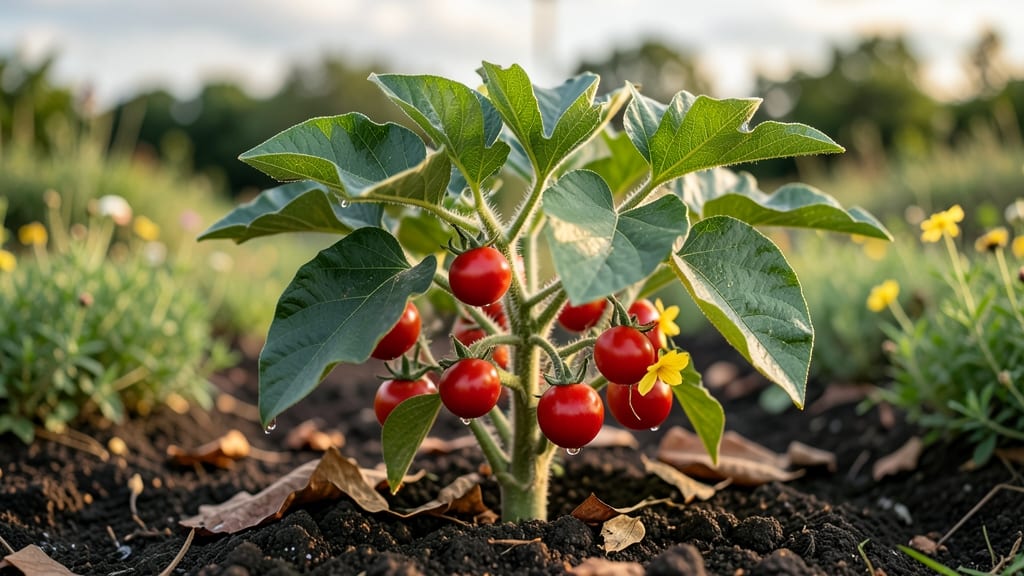
Growing a litchi tomato plant means 60-day vines that produce tiny, sunburst-red fruits bursting with sweetness—no fuss, no fussing. 🌱 I’ve grown them three summers running, and they’ve never failed to deliver: 10-foot vines packed with flavorful tomatoes that taste like candy.
The secret? They’re determinate, meaning they grow fast and fruit all at once, so timing is everything.
You’ll need a sturdy 5-foot-tall trellis (they climb like crazy), well-draining potting mix, and a sunny spot with at least 6 hours of light daily. Litchis thrive in heat but hate soggy roots, so raised beds or containers work best.
Start seeds indoors 8-10 weeks before last frost—they germinate quickly but need warmth to keep growing.
Once planted, water deeply twice a week (more in heatwaves) and fertilize lightly every 3-4 weeks with balanced 10-10-10. Prune only to remove yellow leaves—these plants are self-sufficient. By mid-summer, you’ll have a fruit-laden vine that’s easier to manage than heirlooms and far sweeter than store-bought.
Pro tip: Harvest when fully red (about 60 days after transplanting), and save seeds for next year—they’re 90% true to type. Perfect for small spaces, containers, or trellises in sunny yards. Let’s get those vines climbing!
📚 In This Guide
- What you need
- Instructions
- Tips and common mistakes
- Wrapping up and next steps
What you need
- ● Seeds or seedlings: 3–5 litchi tomato seeds (or 2–3 young seedlings if starting with transplants). Look for heirloom varieties like 'Litchi' or 'Black Litchi' for that sweet, tangy kick!
- ● Growing containers: 5-gallon fabric grow bags (2–3) OR
- ● Large pots (18"+ deep, 12"+ wide) with drainage holes (2–3). Pro tip: 💡 Use self-watering pots to save time!
- ● Potting mix: 10–15 lbs of lightweight, well-draining mix (e.g., 60% coco coir, 30% perlite, 10% compost). Avoid garden soil—it’s too dense!
- ● Support system: Trellis or tomato cage (6–8 ft tall) OR
- ● PVC pipe tower (2–3 sections, 10 ft total). Pro tip: ✨ Use zip ties or soft garden twine to secure vines gently!
- ● Fertilizer: Balanced liquid fertilizer (e.g., 10-10-10 or fish emulsion) for seedlings.
- ● Tomato-specific fertilizer (high in potassium/phosphorus, like 5-10-10) once flowering starts.
- ● Watering tools: Watering can with a rose attachment (for gentle watering).
- ○ Drip irrigation kit (optional but game-changing for consistency!).
- ● Sunlight: Full sun (6–8+ hours daily). A south-facing window or balcony works for containers!
- ● Temperature: Warmth-loving! Ideal range: 70–90°F (21–32°C). Pro tip: 🌡️ If temps drop below 55°F (13°C), use a row cover or move indoors temporarily.
- ● Space: Vertical growing! Allocate 2–3 ft of ceiling height for trellises/towers.
- ● Water: Consistent moisture (but not soggy soil). Aim for 1–1.5 inches per week.
- ● Mulch (straw or shredded leaves) to retain moisture and suppress weeds.
- ● Pruning shears for trimming suckers (if you’re feeling hands-on).
- ● Grow lights (LED, full-spectrum) for indoor setups or cloudy days.
- ● Compost tea or mycorrhizal fungi to boost soil health.
Step-by-step instructions for growing litchi tomatoes in 60 days
Here's how I grow these sweet, cherry-sized fruits in just two months—no trellis, no fuss.
🌱 Step 1: Start Seeds Indoors 8-10 Weeks Before Last Frost
Fill 2-inch deep biodegradable pots with sterile seed-starting mix and moisten until damp. Plant 2 seeds per pot at ¼-inch depth—Litchi tomatoes germinate best in warm soil. Cover with a humidity dome or plastic wrap to retain moisture and place on a seedling heat mat set to 75-85°F.
Check daily for sprouts, which typically appear in 7-14 days. Once seedlings emerge, remove the dome immediately to prevent damping-off. You'll see the first true leaves (not the initial seed leaves) within 10-14 days—this is your cue to move them under a grow light for 14-16 hours daily.
☀️ Step 2: Harden Off and Transplant After True Leaves Form
When seedlings have 3-4 true leaves (about 4-6 weeks after sowing), begin hardening them off. Place pots outside in a sheltered spot for 1-2 hours the first day, gradually increasing exposure over 7-10 days until they can handle full sun. Litchi tomatoes thrive in full sun (6-8+ hours daily) and warm soil.
Transplant the stronger seedling from each pot into the garden 2-3 weeks before last frost, spacing plants 18-24 inches apart in rows 3 feet apart. Bury stems slightly deeper than in the pot to encourage root growth. Water deeply at transplanting to settle soil around roots.
🌿 Step 3: Support Vines and Prune for Maximum Yield
Litchi tomatoes grow indeterminately, so install 6-foot bamboo stakes or cages at transplanting. As vines climb, weave them gently through the support—don't force growth. Pinch off suckers (side shoots) that form in the leaf axils to direct energy to fruit production. Here's the thing—Litchi tomatoes produce best with 2-3 main stems.
Once vines reach the top of the support, trim the growing tips to encourage bushier growth and more fruit clusters. You'll see new lateral branches form within 7-10 days—these are where the heavy fruit loads develop. Remove any leaves that shade lower fruit clusters to improve air circulation and reduce disease risk.
💧 Step 4: Water and Fertilize for Sweet, Juicy Fruit
Water at the base 1-2 inches per week, letting soil dry slightly between waterings. Litchi tomatoes concentrate sugars when slightly stressed, so avoid soggy soil. Mulch with 2-3 inches of straw or shredded leaves to retain moisture and regulate soil temperature. I use a balanced 10-10-10 fertilizer every 3-4 weeks starting when flowers appear.
Watch for first flowers in 4-6 weeks after transplanting. These early blooms may drop if nights are cool, but don't panic—subsequent clusters will thrive. Hand-pollinate by gently shaking plants on calm mornings to ensure fruit set. You'll know pollination worked when flowers drop and tiny fruit begin swelling within 7-10 days.
⏰ Step 5: Harvest and Extend the Season
Litchi tomatoes ripen in 60-70 days from transplanting, turning from green to deep red. Harvest when fully colored but still firm—overripe fruit splits easily. Pick in the morning for peak sweetness. You'll harvest 3-4 clusters per plant weekly at peak production, with each cluster yielding 20-30 fruits.
To extend harvest, cover plants with frost cloth when night temps drop below 32°F. In warm climates, suckers may continue producing until frost. Save seeds from the best-tasting fruits by fermenting them in water for 3-5 days before drying—Litchi tomatoes breed true, so you'll get identical plants next season.
Tips & tricks for growing litchi tomatoes like a pro
These game-changing insights will help you grow lush, productive vines that yield sweet tomatoes in record time—without the usual gardening headaches.
Seedling Heat Strategy: That 75-85°F heat mat temperature is non-negotiable for germination. If your home stays below 70°F, consider using a seedling heat mat under a grow light setup. I've seen germination rates drop by 40% when seeds sit in cooler conditions—don't let that happen. The first true leaves (not the initial seed leaves) are your golden ticket to know they're ready for the grow light's 14-16 hours daily—this mimics summer daylight and prevents leggy seedlings.
Transplanting Timing Secret: The 2-3 weeks before last frost window is critical. Check your local frost dates and count backward—rushing this can shock young plants, while waiting too long risks stunted growth. I always test soil temperature with a probe (should be at least 60°F) before transplanting. Burying stems slightly deeper than in pots gives them a growth boost by encouraging more root development from the buried portion.
Pruning for Maximum Yield: Those 2-3 main stems are where the magic happens. When you see suckers forming in leaf axils, pinch them off cleanly with your fingers—no need for pruners. The 7-10 days it takes for new lateral branches to form after trimming the growing tips is worth the wait. These lateral branches become your fruit factories, producing those heavy clusters. I also remove any leaves shading lower fruit clusters to prevent disease and improve air circulation—this simple step can double your yield.
Watering Wisdom: The 1-2 inches per week guideline assumes average rainfall. In hotter climates, you might need to water every 2-3 days, while cooler areas may only need weekly watering. Always water at the base and avoid wetting leaves to prevent fungal issues. The mulch layer of 2-3 inches acts like a moisture blanket—it keeps soil temps stable and reduces evaporation. I've found that consistently moist (not soggy) soil produces sweeter tomatoes because the plants concentrate sugars under mild stress.
Pro Tips for Litchi Tomato Plant
- These game-changing insights will help you grow lush, productive vines that yield sweet tomatoes in record time—without the usual gardening headaches.
- Seedling Heat Strategy: That 75-85°F heat mat temperature is non-negotiable for germination.
- Transplanting Timing Secret: The 2-3 weeks before last frost window is critical.
Frequently asked questions
Got questions about growing litchi tomato plants? You’re not alone—this fast-growing, flavor-packed variety has a few quirks! Here are the answers to the most common queries to help you crush your harvest in just 60 days.
How fast do litchi tomatoes really grow?
The name’s a hint! Litchi tomatoes are bred for speed—expect towering vines (6–8 feet tall) in just 60 days from transplant. With ideal conditions (warmth, consistent water, and support), you’ll see blossoms in 4–5 weeks and ripe fruit in 6–8 weeks. Pro tip: Use a cage or trellis early to avoid tangled vines slowing growth.
When is the best time to plant litchi tomatoes?
Litchi tomatoes hate cold—wait until after your last frost date and soil temps hit 60°F+. For most U.S. zones, that’s mid-April to early June. If you’re in a hot climate, opt for fall planting (late summer) to avoid summer heat stress. Hot tip: Use row covers for early starts if night temps dip below 50°F.
Can I grow litchi tomatoes in containers?
Litchi tomatoes thrive in 5-gallon+ containers with good drainage. Choose a deep pot (18"+) with a trellis or stake to support their height. Just ensure the container stays consistently moist (they wilt fast when dry) and use a balanced fertilizer every 2–3 weeks. Space saver: Grow 2–3 plants per large container if you’re short on space!
What’s the biggest pest threat to litchi tomatoes?
The top villains are aphids, hornworms, and whiteflies. Aphids cluster on new growth (spray with soapy water), while hornworms devour leaves overnight—handpick them early! For whiteflies, use yellow sticky traps. Prevention tip: Rotate crops yearly and plant basil or marigolds nearby to deter pests naturally.
Are litchi tomatoes spicier or sweeter than regular tomatoes?
Litchi tomatoes are sweeter and less acidic than standard varieties, with a honey-like, tropical flavor (hence the name!). They’re not spicy—think juicy, litchi-fruit notes with a meaty texture. Perfect for slicing, salads, or sauces without balancing vinegar. Flavor hack: Let them ripen fully on the vine for maximum sweetness!
Wrapping up and next steps
Growing a litchi tomato plant is a rewarding journey that delivers bursting flavors in just 60 days—with minimal effort! Whether you’re a seasoned gardener or a curious beginner, these towering vines prove that big rewards come from small starts. 🌱✨
Ready to dive in? Start with a seed or seedling this week, and soon you’ll be harvesting sweet, juicy tomatoes that taste like sunshine. Happy planting—and enjoy the taste of success!