
Plants
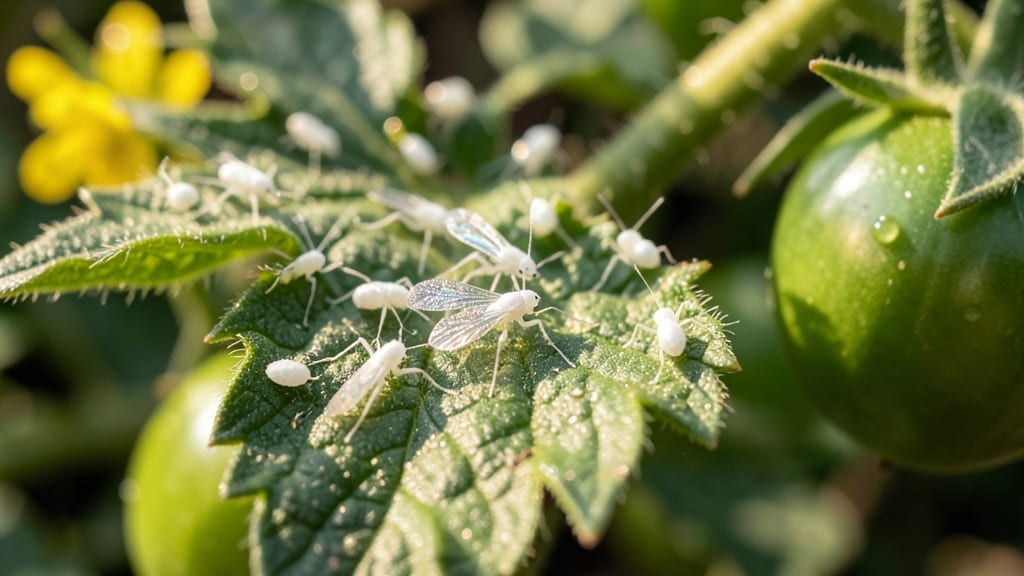
Those tiny little white bugs on your tomato plants are sucking the life out of your harvest—and the good news is you can stop them in under 10 minutes with what you already have. 🌱 I’ve battled aphids, whiteflies, and fungus gnats on my tomatoes for years, and these pests don’t just weaken plants—they spread viruses that can ruin your entire crop.
The first step is identifying them: aphids cluster on new growth, whiteflies flutter when you shake leaves, and fungus gnats hover near soil.
Once you spot them, act fast—neem oil or a homemade soap spray (1 tbsp dish soap + 1 quart water) kills them on contact without harming your plants or pollinators.
You’ll see results within 24-48 hours—fewer bugs, healthier leaves, and tomatoes that actually ripen. The key is consistency: spray every 3-5 days until the infestation disappears, then focus on prevention with healthy soil and companion plants like basil or marigolds.
This method works for container tomatoes, raised beds, and in-ground gardens—no fancy tools required. Let’s get those plants back to thriving!
Common Causes of Tiny White Invaders
Those pesky little white bugs on your tomato plants aren’t just a random annoyance—they’re usually the result of specific conditions that create the perfect environment for them to thrive.
Understanding why they show up is the first step to stopping them in their tracks. Let’s break down the most common culprits and the science behind their unwelcome visits.
Tomato plants under stress—whether from poor spacing, nutrient deficiencies, or overwatering—become prime targets for tiny white pests like aphids, whiteflies, or mealybugs. Here’s why:
- Weakened defenses: Stressed plants produce fewer natural defenses (like sticky sap or strong-smelling compounds) that repel insects. Think of it like a person with a cold—they’re more vulnerable to germs.
- Sap-rich leaves: When plants are crowded or nutrient-deficient, they often develop softer, more sugary leaves. These are a buffet for sap-sucking bugs, which thrive on the easy meal.
- Humidity traps: Overwatered or densely packed plants create a damp, humid microclimate—ideal breeding grounds for whiteflies and fungus gnats.
Actionable fix: Space plants 18–24 inches apart, prune for airflow, and ensure they get balanced fertilizer (high in nitrogen for leafy growth, but not too much). Pro tip: 💡 Yellow sticky traps near plants can catch early whitefly adults before they lay eggs.
Whiteflies, aphids, and other tiny white bugs love heat and shelter. If your tomato plants are growing in a greenhouse, under plastic covers, or in a warm, shaded corner of your garden, you’re basically handing them a welcome mat.
- Greenhouse effect: Plastic or glass traps heat, creating temperatures above 80°F (27°C)—perfect for whitefly reproduction. A single female can lay 400 eggs in her lifetime!
- Underside of leaves: Many white bugs (like whiteflies) lay eggs on the bottom of leaves, where they’re protected from wind, rain, and predators. This hidden nursery lets their populations explode unnoticed.
- Nighttime warmth: Some pests, like fungus gnats, thrive in consistently warm soil (above 70°F or 21°C), especially if your garden retains heat overnight.
Actionable fix: Improve airflow with fans or open vents, avoid plastic covers during peak heat, and rotate plants occasionally to expose all leaf surfaces to sunlight (which discourages pests). Pro tip: 🌡️ Monitor soil temperature—if it’s too warm, mulch with straw to regulate heat.
Sometimes, the problem isn’t even your tomato plants—it’s what’s around them. Many white bugs hitchhike on new plants, tools, or even wind currents from infested neighbors.
- Contaminated nursery starts: Young tomato seedlings or other plants bought from nurseries can already be carrying eggs or larvae. A single infested plant can spread pests to your entire garden in weeks.
- Weeds and wild hosts: Plants like nightshade, milkweed, or even dandelions often harbor whitefly and aphid populations. If these grow near your tomatoes, they’re a constant pest reservoir.
- Shared gardening tools: Pruners, gloves, or pots used on infested plants can transfer eggs or adults to your tomatoes. It’s like bringing home a stowaway on your luggage!
Actionable fix: Quarantine new plants for 2 weeks before introducing them to your garden. Remove weeds within a 10-foot radius of your tomatoes, and sterilize tools with rubbing alcohol between uses. Pro tip: ✨ Inspect plants thoroughly before buying—look under leaves and on stems for tiny white specks or sticky residue (honeydew).
Leftover plant debris, old tomato vines, and unchecked garden waste create hiding spots and food sources for white bugs year-round. Even after harvesting, pests can overwinter in your soil or compost.
- Decaying organic matter: Dead leaves, fallen fruit, or compost piles attract fungus gnats and other white bugs. Their larvae feed on decomposing plant material, then fly to your healthy tomatoes.
- Overwintering eggs: Many white bugs (like aphids) lay eggs in soil or on plant stems that survive winter. When spring arrives, they hatch and move to new hosts—like your tomato seedlings.
- Mulch buildup: Thick mulch can trap moisture and become a breeding ground for pests if it’s not refreshed seasonally.
Actionable fix: Clean up thoroughly after harvest—remove all plant debris, till the soil, and avoid leaving mulch piled high. Pro tip: 🔥 Solarize your soil in late summer by covering it with clear plastic for 4–6 weeks to kill overwintering pests.
Natural Fixes for Tiny White Pests
Now that you’ve identified the culprits—likely aphids, whiteflies, or mealybugs—it’s time to act! The good news? You can tackle these pests without harsh chemicals, using simple, effective methods that protect both your plants and the environment.
Below, we break down targeted solutions based on the most common causes, along with prevention tips to keep your tomato plants thriving.
Aphids are soft-bodied, clustered pests that suck sap from leaves and stems. Here’s how to eliminate them fast and keep them away:
🍳 Step 1: Manual Removal (Yes, Really!)
- Gently crush clusters with your fingers (wear gloves if you’re squeamish 😅).
- Spray off with water—a strong blast from the hose dislodges many pests.
- Focus on new growth where aphids love to hide.
👨🍳 Step 2: DIY Soap Spray (Safe & Effective)
Mix 1 tsp mild liquid soap (like Castile) + 1 quart water in a spray bottle. Test on a small leaf first to avoid damage.
- Spray directly on aphids (undersides of leaves too!).
- Reapply every 3–4 days until gone.
🥘 Step 3: Attract Natural Predators
- Ladybugs and lacewings love aphids! Buy them online or plant dill, fennel, or marigolds nearby to lure them in.
💡 Pro Tip: If aphids return, check for ant trails—ants protect aphids in exchange for honeydew. Use diatomaceous earth (food-grade) around the base to block them.
Whiteflies are tiny, moth-like pests that flutter when disturbed. They’re trickier but not impossible to control:
🔪 Step 1: Yellow Sticky Traps
- Hang yellow sticky cards near plants—whiteflies are attracted to the color and get stuck.
- Replace traps weekly for best results.
⏰ Step 2: Neem Oil Spray (Best for Heavy Infestations)
Neem oil smothers adults and disrupts larvae.
Mix: - 1 tbsp neem oil + 1 tsp mild soap + 1 quart water. - Spray thoroughly (especially undersides) at dusk (avoids harming bees). - Repeat every 5–7 days for 2–3 weeks.
🎯 Step 3: Cover Plants Temporarily
For severe cases, cover plants with fine mesh (like row covers) for 2–3 weeks to block new adults from laying eggs.
✨ Pro Tip: Reflective mulch (aluminum foil or silver plastic) confuses whiteflies and reduces egg-laying. Try it around your tomato bases!
Mealybugs are cottony, slow-moving pests that hide in leaf crevices. They’re stubborn but vulnerable to dehydration:
🔥 Step 1: Scrape Them Off
- Use a soft toothbrush dipped in rubbing alcohol to scrub off clusters.
- Wipe down stems and leaves with a damp cloth.
🌡️ Step 2: Isolate and Heat Treat
- Move infested plants away from healthy ones.
- Place a plastic bag over the plant for 2–3 days (creates a greenhouse effect that kills eggs).
💡 Step 3: Horticultural Oil Spray
Mix 1 tbsp horticultural oil + 1 tsp soap + 1 quart water. Spray evenly (including soil) and reapply weekly.
🎯 Pro Tip: Parasitic wasps (like Encarsia) hunt mealybugs! Release them near infested areas for long-term control.
An ounce of prevention is worth a pound of cure! Follow these easy habits to protect your tomato plants:
- Inspect New Plants 🌱
- Quarantine new additions for 2 weeks before planting.
- Check undersides of leaves and stems for eggs.
- Encourage Beneficial Bugs 🐞
- Plant companion plants like basil, garlic, or nasturtiums to repel pests.
- Avoid broad-spectrum pesticides—they kill helpful insects too!
- Keep Plants Healthy 💪
- Water at the base (not leaves) to reduce humidity where pests thrive.
- Prune regularly to improve airflow and deter hiding spots.
- Rotate Crops 🌿
- Don’t plant tomatoes in the same spot yearly—pests build up in the soil.
- Use Row Covers Early 🛡️
- Lightweight fabric covers block pests before they land.
Final Thought: Most white pests can be eliminated within 2–3 weeks with consistent effort. The key is acting fast and combining methods (manual removal + sprays + natural predators). Your tomato plants will thank you with juicy, pest-free fruit in no time! 🍅✨
Frequently asked questions
Are those tiny white bugs on my tomato plants harmful?
Yes, they can be very harmful! Most common white bugs like aphids, whiteflies, and mealybugs suck plant sap, weakening your tomatoes and spreading viruses. Look for curled leaves, sticky residue (honeydew), or yellowing—these are clear signs your plants need help. Act fast to prevent crop loss.
How do I tell if they're aphids vs. whiteflies?
Easy! Aphids cluster on stems/leaves and don't fly, while whiteflies flutter when disturbed. Check leaf undersides—aphids leave curled leaves, while whiteflies create a white, powdery residue. Shake your plant over white paper: if tiny moths appear, it's whiteflies.
Will dish soap really kill these bugs?
Mix 1 teaspoon mild dish soap with 1 quart water in a spray bottle. Test on a small leaf first, then spray directly on pests (especially undersides). Reapply every 3-4 days until they disappear. The soap breaks their protective coating while being safe for plants.
Can I use neem oil on tomato plants with fruit?
Yes, but with caution. Neem oil is safe for edible plants when used properly—just avoid spraying directly on ripe tomatoes or flowers (it may harm pollinators). Apply at dusk to protect bees, and harvest tomatoes 24 hours after spraying to ensure safety.
What's the best way to prevent future infestations?
Combine these strategies: Rotate crops yearly, plant companion herbs (basil/marigolds), and inspect new plants before adding to your garden. Keep soil healthy with compost and avoid overwatering—pests love damp, crowded conditions.