
How To
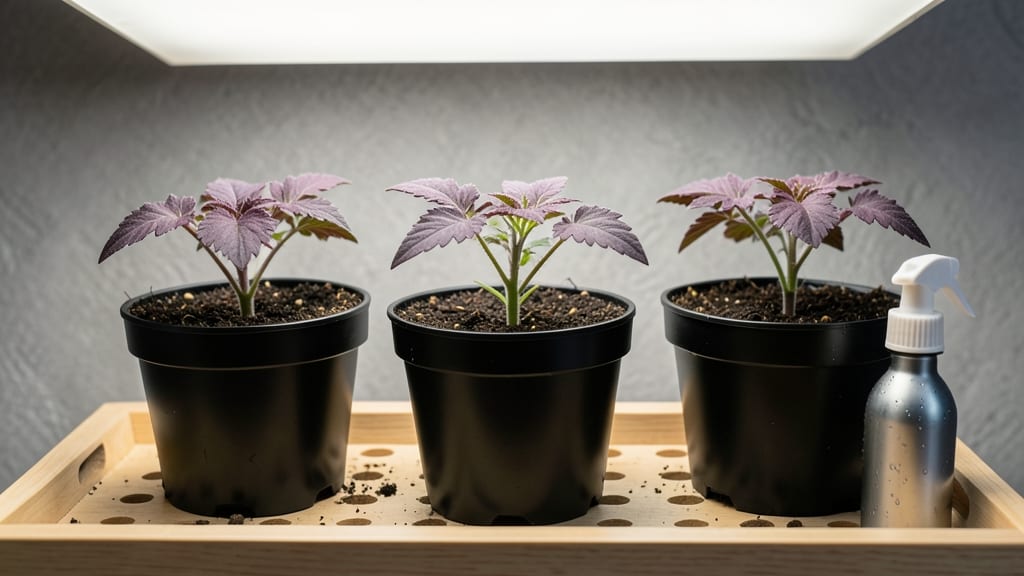
Purple leaves on tomato seedlings aren’t always a cause for alarm—sometimes they’re just showing off their genetics. 🌱 I’ve grown heirlooms like 'Indigo Rose' where deep purple foliage is normal, but other varieties might need a nutrient boost or better light to keep their leaves vibrant green.
The color comes from anthocyanins, which protect leaves from stress. If your seedlings have purple stems or undersides, it’s likely phosphorus deficiency. A balanced fertilizer or compost tea can turn those leaves back to lush green in about 2 weeks.
Overwatering or cool soil can also trigger the purple hue. With the right care, these seedlings will still produce flavorful fruit—purple leaves don’t mean poor harvests. Just monitor soil moisture, ensure 6+ hours of sunlight, and avoid overcrowding. The right balance keeps both foliage and fruit thriving.
For heirloom varieties, purple leaves are a signature trait, not a problem. But if you’re growing standard red tomatoes, addressing the underlying cause ensures stronger plants and bigger yields down the road.
Understanding root causes behind purple leaves
Purple leaves on your tomato seedlings might look striking, but they’re usually a sign that something’s off with their health. Let’s break down the most common reasons why this happens—so you can diagnose and fix the issue before it affects your harvest.
When tomato seedlings develop purple hues, phosphorus or nitrogen deficiencies are often the culprits. These nutrients play critical roles in plant metabolism and growth.
- Phosphorus: Essential for energy transfer and root development, a deficiency causes purpling, especially on the undersides of leaves and stems. Soil tests often reveal low phosphorus levels in acidic or overly sandy soils.
- Nitrogen: While yellowing (chlorosis) is more classic, severe nitrogen starvation can also trigger purpling, particularly in younger leaves. This happens when soil microbes can’t break down organic matter fast enough or when synthetic fertilizers are lacking.
Actionable fix: Apply a balanced 5-10-10 or 10-20-20 fertilizer (higher in phosphorus) or a slow-release organic option like bone meal. For nitrogen, use compost tea or a mild urea-based fertilizer.
Tomatoes are warm-weather lovers, and cool nighttime temperatures (below 50°F/10°C) can trigger anthocyanin production—a natural pigment that gives leaves their purple tint. This is the plant’s way of protecting itself from frost damage.
- Symptoms appear overnight and fade in warmer conditions.
- Seedlings are especially vulnerable in early spring or high-altitude gardens.
Actionable fix:
- Use row covers or cold frames to insulate seedlings.
- Move containers indoors or to a greenhouse if temperatures dip.
- Plant after the last frost date to avoid repeated stress.
Purple leaves can signal water stress, whether from overwatering or drought. Both extremes disrupt nutrient uptake and trigger defensive pigments.
- Underwatering: Leaves may curl, wilt, and develop purple edges as the plant conserves moisture. Roots struggle to absorb water, leading to nutrient deficiencies.
- Overwatering: Poor drainage or soggy soil cuts off oxygen to roots, preventing nutrient absorption. Purple leaves often accompany yellowing or stunted growth.
Actionable fix:
- Check soil moisture with your finger—water when the top 1-2 inches are dry.
- Use well-draining soil (mix in perlite or vermiculite) and pots with drainage holes.
- Avoid watering on a schedule; adjust based on weather and soil type.
Tomatoes need 6-8 hours of sunlight daily, but too little or too much can cause purpling.
- Insufficient light: Shady conditions slow photosynthesis, leading to weak growth and purple-tinged leaves. Seedlings may also stretch (etiolate), making them prone to disease.
- Excessive light (especially direct midday sun): While tomatoes love sun, seedlings can get sunburned, causing purpling or scorch marks. This is common in hot climates or unacclimated plants.
Actionable fix:
- Gradually harden off seedlings by exposing them to sunlight in 1-2 hour increments over 7-10 days.
- Use shade cloth (30-50%) if growing in intense heat.
- Rotate pots daily to ensure even light exposure.
While less common, fungal infections (like early blight) or pest damage (e.g., aphids, spider mites) can stress seedlings enough to trigger purpling.
- Fungal diseases: Purple or brown spots may appear alongside wilting. Fungi thrive in damp conditions, stealing nutrients from the plant.
- Pests: Sap-sucking insects weaken leaves, causing discoloration. Check undersides of leaves for tiny webs or sticky residue (honeydew).
Actionable fix:
- Spray seedlings with neem oil or insecticidal soap to deter pests.
- Improve airflow with pruning or spacing plants further apart.
- Apply copper fungicide if fungal disease is suspected.
Most cases of purple leaves are fixable with targeted care. Monitor your seedlings closely, and address the root cause before it spreads. With the right adjustments, your tomatoes will bounce back with lush green foliage—and eventually, a bountiful harvest! 🍅✨
Fix Purple Leaves Fast
Purple leaves on tomato seedlings can be alarming, but the good news? Most causes have quick, easy fixes. Below, we’ve mapped out the most common triggers and the exact steps to reverse them—plus pro tips to keep your plants thriving.
---
Signs: Yellowing or purple-tinged leaves, soggy soil, wilting despite moisture.
How to Fix It: 1. 🚰 Let the Soil Dry Out - Stop watering immediately and allow the top 1–2 inches of soil to dry completely. Stick your finger in—if it’s damp past your first knuckle, wait another day. - Pro Tip: Use a moisture meter for accuracy, especially in humid climates.
2. 🪴 Improve Drainage - Repot seedlings in well-draining soil (mix in perlite or vermiculite at a 1:1 ratio with potting mix). - Ensure pots have drainage holes. If not, drill them or switch to fabric grow bags.
3. ⏰ Adjust Your Watering Schedule - Water only when the top inch of soil feels dry. Early morning is ideal—avoid evening watering to prevent fungal risks. - Prevention: Use self-watering pots or drip irrigation for consistency.
---
Signs: Purple stems/leaves, stunted growth, older leaves yellowing.
How to Fix It: 1. 💧 Flush the Soil - Water thoroughly with plain water to leach excess salts or fertilizers that may block nutrient uptake.
2. 🌱 Feed with the Right Mix - For Nitrogen (Green Growth): Use a balanced fertilizer (10-10-10) or fish emulsion.
Dilute to half-strength and apply every 2 weeks. - For Phosphorus (Root/Flower Boost): Switch to a phosphorus-rich fertilizer (e.g., bone meal or 5-10-10) once seedlings have 2–3 true leaves. - Pro Tip: Avoid over-fertilizing—burnt roots worsen purple discoloration.
3. 🌿 Boost Organic Matter - Top-dress with compost or worm castings. Microbes in healthy soil naturally release nutrients.
---
Signs: Purple leaves on only the youngest growth, slow growth, or leaves curling.
How to Fix It: 1. 🌞 Optimize Light Exposure - Move seedlings to a bright, indirect spot (south-facing window or under grow lights 12–14 hours/day). - Quick Fix: Rotate pots weekly for even growth.
2. 🌡️ Regulate Temperature - Ideal range: 65–75°F (18–24°C) during the day, 55–60°F (13–15°C) at night. - Avoid drafts (AC vents, open windows) or heat sources (radiators). Use a small fan for airflow if temps spike.
3. 🌱 Harden Off Gradually - If seedlings were indoors, acclimate them to outdoor conditions over 7–10 days before transplanting. Start with 1–2 hours of shade, then increase daily.
---
Signs: Purple spots, mushy stems, wilting despite dry soil, or mold on soil surface.
How to Fix It: 1. 🧼 Clean Up Immediately - Remove infected seedlings (don’t compost them—bag and discard). - Sterilize pots with a 1:10 bleach-water solution (rinse well after).
2. 🌿 Treat with Fungicide - Spray seedlings with neem oil (1 tsp per quart of water) or copper fungicide (follow label rates). Reapply every 7–10 days. - Prevention: Water at soil level (not overhead) and space seedlings for airflow.
3. 🌱 Boost Soil Health - Add 1 tbsp of baking soda per gallon of water (for pH balance) or mycorrhizal fungi to strengthen roots.
---
| Cause | Prevent It With… | |---------------------|-----------------------------------------------| | Overwatering | Self-watering pots, moisture sensors | | Nutrient Imbalance | Regular soil tests, slow-release fertilizer | | Temperature Stress | Heat mats (for cool starts), shade cloth | | Fungal Risks | Sterilized soil, drip irrigation, airflow |
--- 💡 Final Tip: Purple leaves can also signal transplant shock if seedlings were recently moved. Give them 3–5 days to recover in stable conditions before worrying. Monitor closely—your tomatoes will bounce back with the right care!
Frequently asked questions
Are purple leaves on tomato seedlings always a problem?
Not necessarily! Some heirloom varieties like 'Indigo Rose' or 'Purple Calabash' naturally develop purple foliage due to anthocyanins. If your seedlings are growing strong and healthy otherwise, the color is just a genetic trait. However, if leaves are also yellowing, wilting, or stunted, it’s likely a nutrient or environmental issue.
How quickly can I fix purple leaves caused by nutrient deficiency?
With the right treatment, you’ll often see improvement in 7-14 days. For phosphorus deficiency, apply a 5-10-10 fertilizer or bone meal and water thoroughly. For nitrogen issues, use compost tea or a mild urea-based fertilizer. Monitor soil moisture—dry or waterlogged conditions can slow recovery.
Will purple leaves affect my tomato harvest?
Only if the underlying cause isn’t addressed. Purple leaves from nutrient deficiencies or stress can weaken plants, potentially reducing fruit yield or quality. However, if it’s a natural variety trait, your harvest should be unaffected. Focus on maintaining healthy soil, proper light, and consistent watering to ensure strong plants regardless of leaf color.
Can I use coffee grounds to fix purple leaves?
Coffee grounds can help with nitrogen, but they’re not a complete fix. While they’ll add organic matter and microbes, they lack phosphorus—often the missing nutrient causing purple leaves. For best results, mix coffee grounds with compost and a phosphorus-rich amendment like bone meal. Use sparingly (about 1 cup per plant) to avoid compacting soil.
What’s the difference between purple leaves from cold stress vs. nutrient deficiency?
Cold stress causes purpling that appears overnight and fades when temperatures warm. Nutrient deficiencies develop gradually and often start on older leaves (for nitrogen) or stems/leaf undersides (for phosphorus). Check your seedlings’ growth pattern—if new leaves are purple while older ones stay green, it’s likely cold-related.