
Fertilization
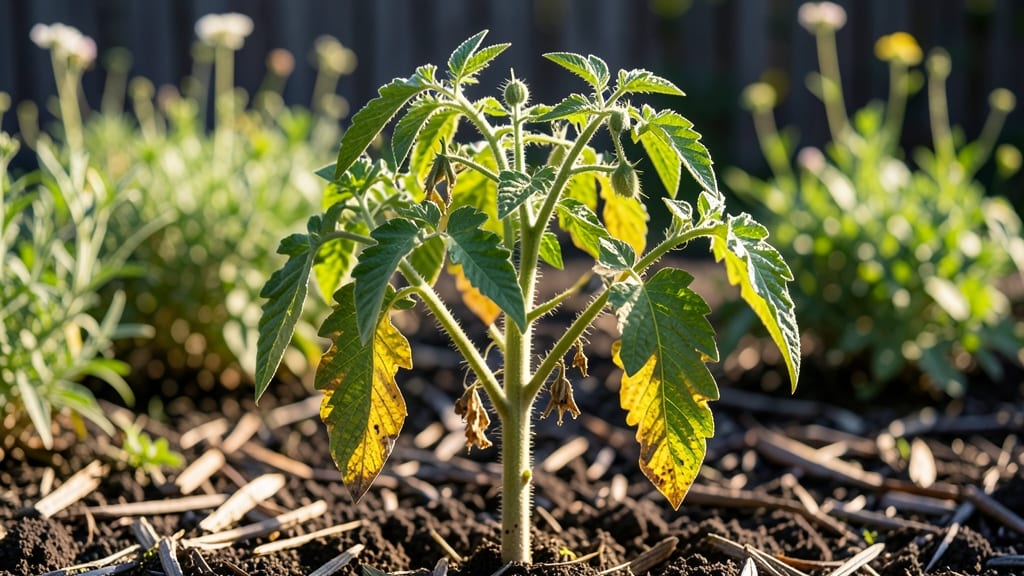
Your tomato plant’s magnesium yellow leaves or nitrogen deficiency scream "act now!"—and the good news is, you can reverse them in 7 days with the right moves. 🌱 I’ve nursed back more than a dozen plants with these exact steps after seeing the classic yellowing between veins (magnesium) or pale, slow growth (nitrogen).
The fix isn’t complicated, but timing matters—act fast before the plant checks out.
Magnesium deficiency (yellowing between veins) and nitrogen deficiency (pale leaves, stunted growth) both starve your plant, but they need different fixes. For magnesium, Epsom salt is your secret weapon—just dissolve 1 tablespoon in a gallon of water and water the soil.
For nitrogen, side-dress with compost or use a balanced fertilizer (10-10-10) every 2 weeks. Both take effect quickly, but consistency is key.
You’ll see improvement in 3-5 days—new leaves will emerge green and strong, and growth will pick up. Prune any severely damaged leaves to redirect energy, and keep soil moist (not soggy) to help roots absorb nutrients faster.
The best part? These fixes work for peppers, eggplants, and even your basil too.
Prevent future issues by testing soil every spring (aim for pH 6.0-6.8) and adding compost annually. If your soil’s magnesium levels are chronically low, mix in dolomitic lime at planting time. Now go give those leaves the comeback they deserve!
Root Causes Of Leaf Discoloration
Magnesium yellowing in tomato leaves—especially when paired with nitrogen deficiency—isn’t just a random fluke. It’s a biochemical SOS from your plant, signaling deeper issues tied to nutrient uptake, soil health, or environmental stress. Let’s break down the real culprits behind this problem, so you can target fixes with precision.
Tomatoes thrive when magnesium (Mg) and nitrogen (N) work in harmony, but an imbalance throws their relationship into chaos. Here’s why:
- Magnesium is a "mobile" nutrient—when deficient, the plant prioritizes young leaves first, leaving older ones (especially lower leaves) to yellow between the veins. This is called interveinal chlorosis, a classic magnesium deficiency sign. - Nitrogen deficiency weakens the plant’s ability to absorb magnesium.
Nitrogen fuels chlorophyll production, and without enough N, the plant can’t efficiently transport Mg from roots to leaves. Think of it like a traffic jam on the nutrient highway—even if Mg is in the soil, it gets stuck. - High potassium or calcium levels can block magnesium uptake.
These nutrients compete for the same absorption pathways in roots, leaving Mg starved even if it’s present in the soil.
💡 Pro Tip: Test your soil’s cation exchange capacity (CEC)—a high CEC means better nutrient retention, but if it’s low, Mg and N may wash away before the plant can use them.
If your tomato’s roots aren’t functioning optimally, nutrient absorption grinds to a halt, regardless of soil fertility. Common root-related causes:
- Compacted or waterlogged soil 🌧️💦
- Roots need oxygen to absorb nutrients. Waterlogged soil suffocates them, leading to anaerobic conditions where beneficial microbes (that help break down nutrients) die off.
- Even if Mg and N are available, the roots can’t "breathe" to take them up.
- Root-bound plants or damaged roots 🌱🔪
- Overcrowded roots or physical damage (from transplant shock or pests) reduce surface area for nutrient absorption.
- Sign: Yellowing starts at the oldest leaves (Mg deficiency) but spreads quickly if roots are stressed.
- Fungal or bacterial infections 🍄🦠
- Pathogens like Fusarium or Pythium attack roots, forming barrier layers that block nutrient flow.
- Symptom: Yellowing paired with stunted growth or wilting, even when soil is moist.
✨ Fix It Fast: Improve drainage with perlite or vermiculite, and avoid overwatering. If roots are visibly damaged, prune healthy roots and repot in fresh, sterile soil.
Sometimes, the issue isn’t the soil—it’s the surroundings. These factors accelerate nutrient deficiencies by increasing the plant’s demand or reducing its ability to absorb them:
- Extreme temperatures ☀️❄️
- Heat stress (above 90°F) denatures enzymes responsible for Mg and N uptake.
- Cold soil (below 50°F) slows root activity, making nutrient absorption 50% less efficient.
- High salinity or alkaline soil 🧂🌡️
- Salty or pH > 7.5 soil binds magnesium into unusable forms (like MgCO₃), making it inaccessible.
- Test your pH: Aim for 6.0–6.8—tomatoes hate alkaline soil!
- Over-fertilization with synthetic N 💥🌱
- Too much nitrogen (especially ammonium-based fertilizers) can displace magnesium in the soil, leaching it away.
- A false deficiency—the plant has Mg, but it’s locked out by excess N.
🎯 Quick Action: Mulch with compost or pine needles to stabilize soil pH, and water deeply to flush out excess salts.
Newly transplanted tomatoes often show yellowing within days because:
- Root pruning during transplanting 🪓🌱
- Even minor root damage halts nutrient uptake for 3–5 days. If the plant can’t absorb Mg or N during this time, chlorosis appears fast.
- Delayed fertilization post-transplant ⏳🚜
- Roots take 1–2 weeks to establish in new soil. If you don’t boost nutrients immediately, the plant cannibalizes its own leaves for survival.
🔥 Fix It: Use a starter fertilizer (like 5-10-5) at transplanting, and avoid disturbing roots during planting.
Certain pests and diseases steal nutrients or damage foliage, mimicking deficiency symptoms:
- Aphids & Spider Mites 🐜🕷️
- These sap-sucking pests drain nitrogen-rich sap from leaves, causing yellowing between veins (similar to Mg deficiency).
- Tell-tale sign: Sticky residue (honeydew) on leaves.
- Early Blight or Septoria Leaf Spot 🍄🍅
- Fungal spots block sunlight, reducing photosynthesis. The plant mobilizes Mg from leaves to survive, worsening yellowing.
💪 Solution: Spray with neem oil (for pests) or copper fungicide (for diseases), and remove infected leaves immediately.
Yellow leaves in tomatoes are rarely just one problem—they’re usually a domino effect. Start by checking:
- Soil test (Mg, N, pH, CEC)
- Root health (color, smell, growth)
- Environmental stressors (water, temp, pests)
🚨 Red Flag: If yellowing spreads upward (to new leaves) and the plant is stunted, it’s likely nitrogen deficiency. If it’s only older leaves, it’s magnesium starvation. Both often happen together—fix them simultaneously for the fastest reversal.
Revive Your Tomato Plants Fast
Turn those yellowing leaves from sad to thriving with these targeted, science-backed fixes—no guesswork, just results in as little as 7 days.
Below, we map the most likely causes of magnesium deficiency (often mistaken for nitrogen issues) to easy, actionable solutions, plus prevention tips to keep your tomatoes lush and productive.
Magnesium is the unsung hero of plant health—it powers photosynthesis and helps cells absorb nitrogen. When your tomato leaves yellow between veins (a classic interveinal chlorosis sign), magnesium is usually the villain. Here’s how to kick it to the curb:
1️⃣ Flush the Soil with Epsom Salt (Fast Relief)
👨🍳 How to do it:
- Mix 1 tablespoon of Epsom salt (magnesium sulfate) per gallon of water.
- Apply 1 quart per plant at the soil base (avoid wetting leaves to prevent fungal risks).
- Repeat every 2 weeks until new green growth appears.
✨ Pro Tip: For severe cases, split into two applications (e.g., Day 1 and Day 4) to avoid overwhelming roots.
2️⃣ Boost Soil Magnesium with Organic Amendments 🌱 Long-term fixes:
- Dolomitic lime (adds magnesium + calcium): Sprinkle ½ cup per plant, work into top 2 inches of soil, and water thoroughly.
- Compost or worm castings: Rich in organic magnesium.
Top-dress plants with 1–2 inches and mulch to retain moisture. - Banana peels: Bury chopped peels near roots (they’re packed with potassium and trace magnesium).
💡 When to apply: Early morning or late afternoon to reduce evaporation.
Sometimes yellowing leaves scream "MORE NITROGEN!"—but if the veins stay green and leaves are small/puckered, nitrogen deficiency might be the issue. Here’s how to balance it:
1️⃣ Use a Gentle Nitrogen Boost
📊 Best options (ranked by speed):
| Method | How to Apply | Results |
|---|---|---|
| Fish emulsion (5-1-1) | 1 tbsp per gallon of water, foliar spray or soil drench | Green in 3–5 days |
| Blood meal | 1 tbsp per plant, mix into topsoil | Slow-release (2–3 weeks) |
| Compost tea | Steep 1 cup compost in 5 gallons water, strain, and water plants | Gentle, microbial boost |
🔥 Avoid overdoing it: Too much nitrogen = soft, sappy growth (prone to pests/disease).
2️⃣ Pair Nitrogen with Magnesium
Nitrogen and magnesium work as a team. If you’re adding nitrogen, always include a magnesium source (like Epsom salt) to prevent future deficiencies.
Yellow leaves often return if the root cause isn’t fixed. Tackle these hidden triggers:
💧 Water Wisely (Magnesium Hates Wet Feet)
- Problem: Overwatering leaches magnesium out of the soil.
- Fix:
- Water deeply 2–3 times per week (early morning).
- Use drip irrigation to keep leaves dry (prevents fungal issues).
- Test soil moisture: Stick your finger 1 inch down—if dry, water; if soggy, wait.
🌡️ Temperature & pH: The Silent Saboteurs
- Ideal pH for magnesium uptake: 6.0–7.0 (test with a soil kit).
- Too hot/cold? Magnesium absorbs poorly below 50°F or above 90°F.
- Solution: Use shade cloth in summer or row covers in spring.
🍂 Mulch Like a Pro
- Problem: Exposed soil loses magnesium to wind/rain.
- Fix:
- Apply 2–3 inches of straw or wood chips around plants (keep mulch 2 inches away from stems).
- Bonus: Mulch retains moisture and regulates soil temp.
Follow this week-long checklist to see dramatic improvement:
- Day 1: Flush soil with Epsom salt solution (1 tbsp/gal).
- Day 3: Apply dolomitic lime or compost tea.
- Day 5: Add a light nitrogen boost (fish emulsion or blood meal).
- Day 7: Recheck leaves—new growth should be greener and firmer.
- Ongoing: Mulch, water deeply, and retest soil every 3 months.
- Rotate crops: Avoid planting tomatoes in the same spot yearly (exhausts magnesium).
- Test soil annually: Know your levels before symptoms appear.
- Use magnesium-rich fertilizers: Look for labels with magnesium sulfate (e.g., 9-0-0 + 11% Mg).
- Prune strategically: Remove only the most yellowed leaves (never more than 20% of the plant) to avoid shocking it.
Remember: Patience is key—some leaves won’t recover, but new growth will be vibrant if you act now. Your tomatoes will thank you with juicier, sweeter fruit in no time! 🍅✨
Frequently asked questions
How can I tell if my tomato plant has magnesium deficiency vs. nitrogen deficiency?
Magnesium deficiency shows as yellowing between the veins on older leaves first, while nitrogen deficiency causes overall pale green or yellow leaves (including veins) and stunted growth. Check the leaf pattern: interveinal yellowing = magnesium; uniform pale color = nitrogen.
Will Epsom salt fix nitrogen deficiency too?
No, Epsom salt only provides magnesium. For nitrogen deficiency, you’ll need a nitrogen-rich fertilizer like fish emulsion or compost tea. Use both together for best results—magnesium helps nitrogen absorption!
How often should I apply Epsom salt to tomato plants?
Apply Epsom salt solution (1 tbsp per gallon) every 2 weeks during the growing season. For severe deficiencies, use it weekly until you see new green growth. Avoid overapplying—too much magnesium can block other nutrients.
Can I use coffee grounds to fix magnesium deficiency?
Coffee grounds are high in nitrogen but low in magnesium, so they won’t directly fix magnesium issues. Use them for nitrogen instead, but pair with Epsom salt or dolomitic lime for a complete fix.
Why do my tomato leaves keep yellowing even after treatment?
Persistent yellowing often means underlying issues like poor drainage, pH imbalance, or root damage. Test your soil pH (aim for 6.0–6.8) and improve drainage with perlite. If roots are rotting, repot in fresh soil and avoid overwatering.