
Plants
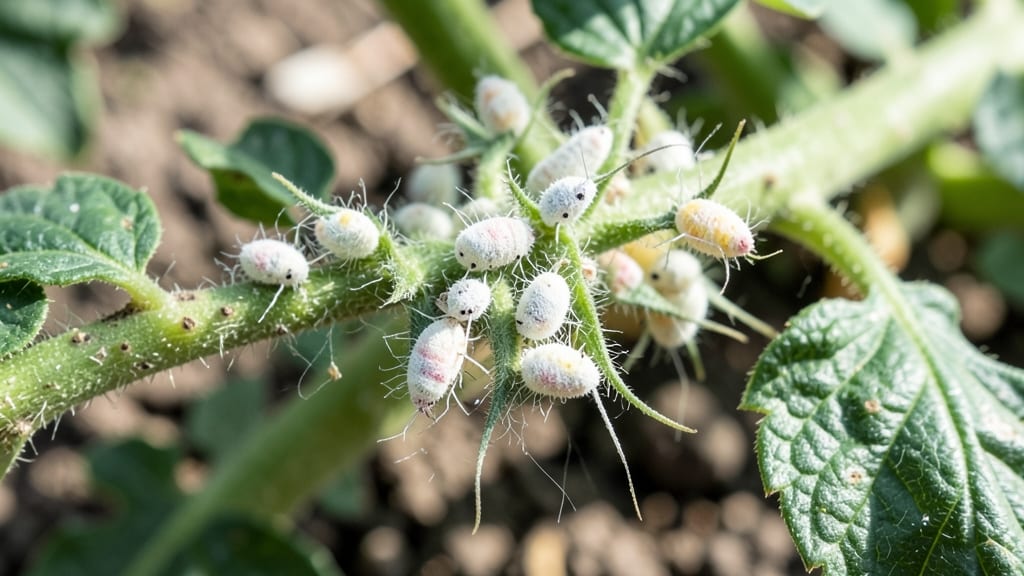
Mealybugs on tomato plants turn your lush vines into sticky messes faster than you can say "blight." 🌱 I’ve battled these cottony pests through three tomato seasons, and I’ve finally cracked the code on a natural spray that clears them in hours—not weeks.
No harsh chemicals, no waiting for weeks of slow results. The key is catching them early when they’re clustered in leaf axils or under fruit. A simple soapy water spray (1 tsp mild soap + 1 quart water) works like magic when applied directly to the bugs.
Repeat every 3-4 days until they vanish. The secret? Reapply after rain or watering—mealybugs bounce back fast if you skip a treatment. By day three, your plants will look revived, with new growth pushing out unscathed.
The leaves stay crisp, the tomatoes keep swelling, and you avoid the dreaded sticky residue that attracts ants. This method works for peppers, eggplants, and even houseplants too. No more losing entire harvests to these pests.
Here’s how to make the spray, when to apply it, and why it actually works—no gardening degree required.
Root Causes of Tomato Infestations
Mealybugs don’t just appear—they’re drawn to tomato plants by a mix of environmental cues, plant stress, and human habits. Understanding these triggers is the first step to stopping them before they take hold. Let’s break down the science behind why these pests choose your tomatoes as their next buffet.
Mealybugs are opportunistic feeders, and stressed tomato plants are their favorite target. When tomatoes struggle—whether from poor soil, overcrowding, or nutrient deficiencies—they produce sticky, sugary honeydew as a stress response.
This honeydew acts like a neon sign for mealybugs, signaling: - "Easy meal here!" (High sugar content = quick energy) - "Low competition!" (Weak plants can’t fight back as effectively)
Key stressors that invite mealybugs:
- Nitrogen deficiency → Leads to pale, yellowing leaves (a mealybug magnet).
- Overwatering or poor drainage → Roots suffocate, making plants vulnerable.
- Physical damage (e.g., from hail, pests, or rough handling) → Opens wounds where mealybugs can insert their feeding tubes.
Pro tip: 💡 Healthy plants = natural pest resistance. Aim for balanced fertilizer (like a 10-10-10 NPK ratio) and well-draining soil to keep tomatoes tough.
Mealybugs thrive in warm, humid conditions—think of them as tropical snowbirds who refuse to leave once they find a cozy spot. Your tomato plants might be creating the perfect hideout without you realizing it:
- Greenhouse or plastic tunnels → Traps heat and humidity, accelerating mealybug reproduction (they can multiply 20x faster in these conditions).
- Overhead irrigation → Dampens leaves, creating a moist film that mealybugs love (they need hydration to survive).
- Leaf litter or mulch piles → Provides shade and shelter from predators (like ladybugs or lacewings).
Pro tip: ✨ Improve airflow by pruning dense foliage and watering at the base (not overhead) to dry leaves faster.
Mealybugs don’t fly far, but humans accidentally transport them like stowaways on a cruise ship.
Common ways they hitch a ride to your tomatoes: - Contaminated tools or pots → Mealybugs or their eggs hide in soil, pots, or pruners from infested plants. - New plants or cuttings → Always quarantine new additions for 2 weeks before introducing them to your garden. - Wind or wildlife → Birds, bees, or even breeze can carry mealybugs (or their eggs) from nearby infested plants.
Pro tip: 🔥 Sanitize tools with 70% isopropyl alcohol between uses, and inspect new plants under leaves before planting.
Too much high-nitrogen or sugary fertilizer (like manure tea or fruit-based compost) can boost honeydew production, making your tomatoes even more appealing to mealybugs.
Here’s how: - Excess nitrogen → Promotes soft, tender growth (easy pickings for mealybugs). - Sugary residues → Attracts mealybugs like ants to a picnic.
Avoid: Overusing fish emulsion, molasses, or compost tea—opt for slow-release, balanced fertilizers instead.
In a balanced ecosystem, mealybugs face predators like:
- Ladybugs (devour them like candy)
- Lacewings (their larvae hunt mealybugs)
- Parasitic wasps (lay eggs inside mealybugs)
But if your garden lacks diversity (e.g., no flowers for pollinators) or uses broad-spectrum pesticides, these predators vanish—leaving mealybugs to party unchecked.
Pro tip: 🌸 Plant companion flowers (like marigolds or dill) to attract beneficial insects and reduce mealybug populations naturally.
Quick Fixes for Tomato Plant Pests
Mealybugs may seem like a stubborn foe, but with the right approach, you can banish them fast and keep your tomato plants thriving! Below are targeted solutions based on the root cause—whether it’s overcrowding, weak plants, or a full-blown infestation.
Each method is practical, natural, and effective, with prevention tips to stop future outbreaks.
If mealybugs are clustering on weak, stressed tomato plants, strengthen their immunity first.
🌱 Step 1: Prune for Better Airflow
Mealybugs love hiding in tight spots where leaves touch. Open up your plants to let air and sunlight circulate.
- Trim yellow or damaged leaves with clean pruners.
- Space plants at least 18–24 inches apart (if in a garden) or thin seedlings if overcrowded.
- Remove weeds near the base—these harbor pests and compete for nutrients.
💡 Pro Tip:
🔥 Use a fan on low speed for 10–15 minutes daily to simulate wind, which strengthens plant cell walls and deters pests.
🥗 Step 2: Feed Them Right
Weak plants attract mealybugs. Give your tomatoes a nutrient boost with:
- Compost tea (rich in beneficial microbes) – spray on leaves.
- Fish emulsion or seaweed extract (for quick phosphorus/potassium uptake).
- Epsom salt solution (1 tbsp per gallon of water) – spray every 2 weeks for magnesium.
Avoid over-fertilizing with nitrogen—this makes plants soft and more vulnerable.
If you spot small white cottony clusters, act fast with homemade sprays that smother and repel mealybugs.
👨🍳 DIY Neem Oil Spray (Best for Prevention & Light Infestations)
Neem oil disrupts mealybug life cycles and deters new eggs. What you’ll need:
- 1 tbsp neem oil (cold-pressed, organic)
- 1 tsp honey or dish soap (as an emulsifier)
- 1 quart water
How to make it:
- Mix ingredients in a spray bottle.
- Shake well before each use (neem oil separates).
- Spray thoroughly on both sides of leaves, stems, and undersides (where mealybugs hide).
- Reapply every 5–7 days for 2–3 weeks.
⏰ Best time to spray: Early morning or late evening (avoid direct sunlight, which can burn leaves).
🥘 Soap Spray (Fast-Kill for Small Clusters)
A simple, non-toxic soap solution suffocates mealybugs on contact. What you’ll need:
- 1 tbsp mild liquid soap (like Castile or Dr. Bronner’s)
- 1 quart water
How to use:
- Mix and pour into a spray bottle.
- Test on a small leaf first (some plants are soap-sensitive).
- Spray directly on mealybugs until leaves glisten.
- Repeat every 3–4 days until pests are gone.
💡 For stubborn cases, add 1 tsp rubbing alcohol to the mix—it breaks down their waxy coating.
If mealybugs have spread to multiple plants or you’re seeing black sooty mold (a fungus they trigger), take aggressive action.
🌡️ Alcohol Wipe-Down (Manual Removal)
For small gardens or containers, physically wipe off mealybugs with 70% isopropyl alcohol. How to do it: 1. Dip a cotton swab or soft cloth in rubbing alcohol.
- Gently rub each infested stem and leaf crevice.
- Dispose of cotton swabs in a sealed bag (don’t compost—alcohol can harm beneficial insects).
- Wear gloves—alcohol can irritate skin.
✨ Do this on a calm, dry day so the alcohol evaporates quickly.
🎯 Beneficial Insects (Long-Term Solution)
Introduce mealybug’s natural predators for a sustainable fix:
- Ladybugs (adults and larvae eat mealybugs).
- Cryptolaemus beetles (specialized mealybug hunters).
- Parasitic wasps (like Leptomastix dactylopii).
Where to get them:
- Buy from garden centers or online (e.g., Arbico Organics, Gardeners.com).
- Release them in the evening so they stay put.
💡 Avoid pesticides—they’ll kill the good bugs too!
Once your tomatoes are pest-free, lock in their defense with these proactive steps:
- Inspect New Plants
- Quarantine new tomato seedlings or transplants for 2 weeks before planting.
- Check undersides of leaves and stems with a magnifying glass.
- Encourage Beneficial Bugs Year-Round
- Plant companion plants like marigolds, basil, or alyssum—they attract predator insects.
- Avoid broad-spectrum insecticides (they harm ladybugs and lacewings).
- Maintain Plant Health
- Water at the base (not leaves) to prevent fungal growth that attracts mealybugs.
- Rotate crops—don’t plant tomatoes in the same spot yearly.
- Use Reflective Mulch
- Aluminum foil or silver mulch around plants confuses mealybugs (they dislike bright reflections).
- DIY Preventative Spray (Monthly)
- Mix 1 tsp neem oil + 1 tsp soap in a gallon of water and spray once a month as a deterrent.
Final Thought: Mealybugs may be sneaky, but with quick action and smart prevention, your tomato plants will stay strong, healthy, and pest-free! 🍅✨
Frequently asked questions
How can I tell if my tomato plants have mealybugs before they spread?
Look for small, white, cotton-like clusters in leaf axils, under leaves, or along stems. Early signs include sticky residue (honeydew) on leaves or fruit, and tiny white eggs that resemble tiny grains of rice. Check undersides of leaves first—mealybugs love hiding there.
Will mealybugs kill my tomato plants?
While they won't kill healthy plants outright, severe infestations weaken them by sucking sap, causing yellowing leaves, stunted growth, and black sooty mold. The real danger is secondary infections from the honeydew they produce. Act fast to prevent harvest loss—your plants can recover with proper care!
Can I use vinegar spray to eliminate mealybugs?
Yes, but with caution! Mix 1 part white vinegar + 1 part water + 1 tsp dish soap and spray directly on mealybugs. Test on a small leaf first—vinegar can burn tender tomato foliage. Reapply every 3-4 days until pests disappear. Best for small infestations in containers.
How long does it take for neem oil to work on mealybugs?
Neem oil disrupts mealybug life cycles immediately, but you'll see visible results in 3-5 days with consistent application. For best results, spray every 5-7 days for 2-3 weeks. The oil works by coating their bodies and interfering with their feeding, while also repelling new eggs.
Why do mealybugs keep coming back after treatment?
They often return due to hidden eggs, poor plant health, or untreated nearby plants. Check for eggs (tiny white grains) and reapply treatments. Also ensure your tomatoes are healthy—stressed plants attract more pests. Consider releasing beneficial insects like ladybugs for long-term prevention.