
Pests and Diseases
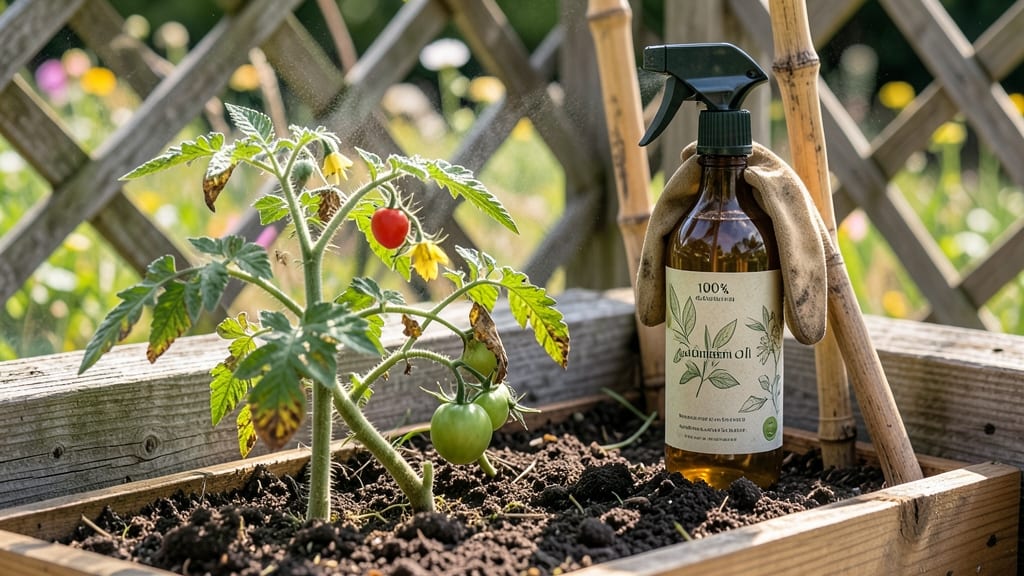
When your tomato leaves start spotting like confetti, neem oil is the organic fungicide that stops blight in its tracks. 🌱 I’ve watched this plant-based remedy turn crispy, browned foliage into vibrant green within a week—no harsh chemicals, just nature’s defense system at work.
The key is applying it at the first sign of those ugly spots before the fungus spreads to the fruit.
Neem oil works by disrupting the fungal cell membranes, essentially suffocating the blight spores without harming your plants. You’ll need a simple mix of 1 tablespoon neem oil per quart of water with a drop of dish soap as an emulsifier—no fancy equipment required.
Spray thoroughly on both leaf surfaces, especially the undersides where spores love to hide, and repeat every 5-7 days until the spots disappear.
What you’ll end up with is tomatoes that stay healthy enough to ripen on the vine, not drop prematurely. The plants bounce back faster than with copper sprays, and you avoid the bitter aftertaste some chemical treatments leave behind.
Plus, neem oil doubles as a preventative—apply it monthly during wet seasons to keep blight from gaining a foothold.
For best results, pair it with proper spacing between plants to improve airflow and avoid overhead watering. If you’re dealing with a severe outbreak, combine neem oil with a baking soda spray (1 teaspoon baking soda + 1 quart water) for even stronger protection.
Your tomatoes will thank you with juicy, disease-free harvests all season long.
The Hidden Triggers Behind Tomato Spots
Tomato blight isn’t just a random attack—it’s a perfect storm of conditions that create the ideal environment for fungal spores to take hold. Understanding these triggers helps you prevent outbreaks before they start and use neem oil as a targeted defense.
Below, we break down the science behind why your tomatoes develop those dreaded brown spots, from soil-level issues to weather patterns.
🌧️ Why it happens: The primary culprit behind tomato blight is the Phytophthora infestans fungus (early blight) or Alternaria solani (late blight), both of which thrive in moisture-rich environments.
These spores are always present in soil, plant debris, or even on neighboring weeds—but they only become aggressive when humidity and water combine to create the perfect breeding ground.
- Overhead watering 💦: When water splashes onto leaves (especially at night), it creates a film that spores cling to, germinating within 4–6 hours.
This is why early morning watering is a game-changer—it allows foliage to dry before evening dampness sets in. - Poor air circulation 🌬️: Crowded tomato plants or dense canopies trap humidity.
Without airflow, spores spread like wildfire, turning leaves into a buffet for fungal growth. - Nighttime dew 🌙: Cool, foggy nights with high humidity (above 75%) are a red flag. Spores released from infected plants or soil can infect healthy leaves overnight.
Pro tip: 💡 Use drip irrigation or soaker hoses to keep leaves dry, and space plants 18–24 inches apart for airflow.
🌱 Why it happens: Healthy tomatoes have natural defenses, but stress—whether from nutrient deficiencies, pests, or physical damage—weakens their ability to fight off pathogens. Think of it like a person with a cold: if your immune system is compromised, even a mild virus can become severe.
- Nitrogen deficiency 📉: While nitrogen fuels leafy growth, too little (or too much) stresses plants. Yellowing leaves (chlorosis) signal poor health, making them vulnerable to fungal attacks. - Pest damage 🐜: Chewing insects (like aphids or hornworms) create entry points for spores.
Even spider mites, which suck plant sap, weaken cells, leaving them defenseless. - Transplant shock 🌿: Moving seedlings from nursery pots to the garden disrupts root systems. Until roots establish (usually 2–3 weeks), plants are more susceptible to blight.
Actionable fix: 🔥 Boost plant resilience with a balanced fertilizer (10-10-10) and neem oil spray (1 tsp per quart of water) to deter pests before they cause damage.
🌡️ Why it happens: Tomato blight isn’t just a "wet problem"—it’s a temperature-dependent one. The fungus Phytophthora loves warm days (70–85°F) followed by cool nights (50–65°F), which slows plant metabolism while keeping spores active. This mismatch creates the perfect conditions for rapid infection.
- Sudden temperature drops ❄️: If daytime heat stresses plants (e.g., wilting) and nighttime temps drop, spores germinate faster.
This is why blight often flares in late summer or early fall. - Poor soil drainage 💦: Waterlogged roots (from heavy clay soil or overwatering) starve plants of oxygen, weakening them. Fungal spores in soggy soil get a direct highway to leaves via splashing water.
Grower’s hack: ✨ Choose blight-resistant varieties (like ‘Mountain Merit’ or ‘Defiant PhR’) and mulch with straw to regulate soil temperature and improve drainage.
🧹 Why it happens: Fungal spores are sneaky survivors. They can hitchhike on pruners, gloves, or even your shoes from one plant to another. Even "clean" tools can harbor spores if they’ve been in contact with infected plants or soil.
- Reusing infected plant material 🌾: Leaving blighted leaves or stems in the garden overwinters spores, ready to reinfect next season. These spores can survive for years in debris. - Cross-contamination 🔄: Pruning a healthy tomato plant with tools used on an infected one transfers spores instantly.
A single cut can introduce the fungus directly into the plant’s vascular system.
Prevention checklist:
- Sterilize tools with 70% rubbing alcohol or a 10% bleach solution between uses.
- Remove and destroy infected plants (don’t compost them—burn or trash them).
- Rotate crops annually to break the fungal lifecycle.
💦 Why it happens: The #1 mistake gardeners make? Watering from above during the day. When water droplets linger on leaves, they create a perfect petri dish for spores to germinate and infect within hours.
- Morning vs. evening watering ⏰:
- Evening watering = Leaves stay wet overnight, giving spores 12+ hours to infect.
- Midday watering = Sunlight helps leaves dry faster, reducing risk.
- Splashing soil onto leaves 🌍: Every time you water from above, you’re launching spores like a fungal cannonball.
Quick fix: 🚰 Switch to drip irrigation or hand-watering at the base of plants. If you must use a hose, aim for the soil and water early in the day.
How to Fix Fungal Spots Fast
Now that you know the causes behind those unsightly spots on your tomatoes, it’s time to turn things around—naturally and effectively. Neem oil isn’t just a buzzword; it’s a powerhouse fungicide that can halt blight in its tracks when used correctly.
Below are targeted solutions based on the root cause of your tomato’s woes, along with prevention tips to keep your plants thriving.
If your tomatoes are drowning in soggy soil, fungal spores thrive like party guests at an all-you-can-eat buffet. Cut back on watering and improve airflow to starve the blight.
How to Treat It: 💧 Reduce Watering Frequency
- Water deeply but less often—aim for 1–1.5 inches per week, including rainfall.
- Water early in the morning so foliage dries quickly (wet leaves = blight paradise).
- Use a soaker hose or drip irrigation to keep water at the roots, not the leaves.
🌱 Improve Soil Drainage
- Mix compost or perlite into heavy clay soil to loosen it up.
- If planting in containers, ensure pots have drainage holes and use a well-draining potting mix.
- Avoid letting tomatoes sit in saucers of standing water.
🌿 Prune for Better Airflow
- Remove lower leaves touching the soil (they trap moisture).
- Thin out crowded foliage so air circulates freely.
💡 Pro Tip: If your soil is already waterlogged, skip watering for a few days to let it dry out before treating with neem oil.
Neem oil disrupts fungal spores’ life cycle, making it a preventive and curative solution. For best results, apply it at the first sign of spots (even tiny yellowing leaves).
How to Apply Neem Oil Correctly: 🔪 Mix the Solution Properly
- 1 tsp neem oil + 1 tsp mild liquid soap (or horticultural oil) + 1 quart of water.
- Stir vigorously—neem oil doesn’t mix with water naturally.
- Shake well before each use (oil separates over time).
👨🍳 Spray Like a Pro
- Cover all surfaces: Top and bottom of leaves, stems, and even the soil around the base.
- Spray in the early morning or late afternoon (avoid peak sun—it can burn leaves).
- Reapply every 7–10 days or after rain (neem washes off).
⏰ Timing Matters
- Preventive spray: Apply once a week during humid or rainy seasons.
- Active infection: Spray every 3–4 days until spots stop spreading (usually 7–10 days).
⚠️ Warning: Neem oil can harm beneficial insects like bees. Avoid spraying when flowers are open (or spray in the evening when pollinators are less active).
Tomatoes in hot, sticky climates are blight magnets. Break the cycle with strategic care to reduce fungal pressure.
How to Adjust Growing Conditions: 🌿 Shade Cloth to the Rescue
- Use 30–50% shade cloth during the hottest part of the day (10 AM–4 PM).
- This lowers leaf temperature and reduces transpiration (less stress = stronger plants).
💦 Mulch Like a Farmer
- Apply 2–3 inches of organic mulch (straw, grass clippings, or wood chips) to:
- Keep soil cooler and moister (reducing shock from temperature swings).
- Prevent soil splash (a major blight spreader).
🌱 Choose Heat-Tolerant Varieties
- If you’re in a hot climate, opt for heat-resistant tomatoes like:
- ‘Solar Fire’
- ‘Heatmaster’
- ‘Arkansas Traveler’
💡 Pro Tip: Morning misting (lightly wetting leaves early) can lower leaf temps by 5–10°F—but stop by noon to avoid evening moisture.
An ounce of prevention is worth a pound of cure. Stop blight before it starts with these long-term strategies:
📊 Crop Rotation & Soil Health
- Don’t plant tomatoes (or nightshades) in the same spot for 3 years—this breaks fungal cycles.
- Amend soil with compost to boost beneficial microbes that outcompete pathogens.
🌱 Start with Disease-Free Plants
- Buy certified disease-resistant seedlings (look for labels like “VFN” for verticillium/wilt/fusarium resistance).
- Avoid nursery-bought plants with yellowing leaves—inspect before purchasing!
🧼 Clean Up Debris
- Remove all plant debris (especially fallen leaves) at the end of the season.
- Sterilize tools with rubbing alcohol or bleach solution (1 part bleach to 9 parts water) between uses.
✨ Boost Plant Immunity
- Fertilize with compost tea or fish emulsion (avoid high-nitrogen fertilizers—they weaken plants).
- Spray with baking soda solution (1 tsp baking soda + 1 quart water + a drop of soap) monthly as a preventive fungicide.
Final Thought: Neem oil is your secret weapon, but consistency is key. Combine it with proper watering, airflow, and soil care, and you’ll outsmart blight before it ruins your harvest. 🍅✨
Frequently asked questions
How quickly can neem oil stop tomato blight from spreading?
With consistent application, you should see visible improvement within 5-7 days. Neem oil disrupts fungal spores' ability to reproduce, so spots will stop growing and new leaves should stay healthy. For severe cases, combine it with baking soda spray (1 tsp baking soda + 1 quart water) for faster results.
Can I use neem oil on tomatoes that are already flowering or fruiting?
Yes, but with caution. Neem oil is safe for edible plants, but it can harm pollinators like bees. Apply in the late afternoon or evening when bees are less active, and avoid spraying directly on open flowers. The oil breaks down quickly and won't affect fruit quality if used properly.
What's the best time of day to apply neem oil for maximum effectiveness?
The ideal times are early morning or late afternoon. This allows the leaves to dry completely before evening humidity sets in, which prevents fungal spores from taking hold. Avoid spraying during peak sun (10 AM–4 PM) to prevent leaf burn from the oil's concentration.
Will neem oil work on blight that's already caused large brown spots on my tomatoes?
Neem oil can still help, but it won't reverse existing damage. Focus on stopping the spread by applying it every 3-4 days until new growth appears healthy. Remove severely infected leaves immediately to prevent further contamination. For large spots, combine with copper fungicide for stronger results.
How do I know if my tomato plants have blight versus just sunburn or nutrient deficiency?
Blight typically shows as concentric brown rings (early blight) or irregular dark spots with yellow halos (late blight). Sunburn appears as bleached white patches, while nutrient deficiencies cause yellowing between veins (nitrogen) or purple stems (phosphorus). Blight also spreads rapidly in humid conditions.