
Companion Plants
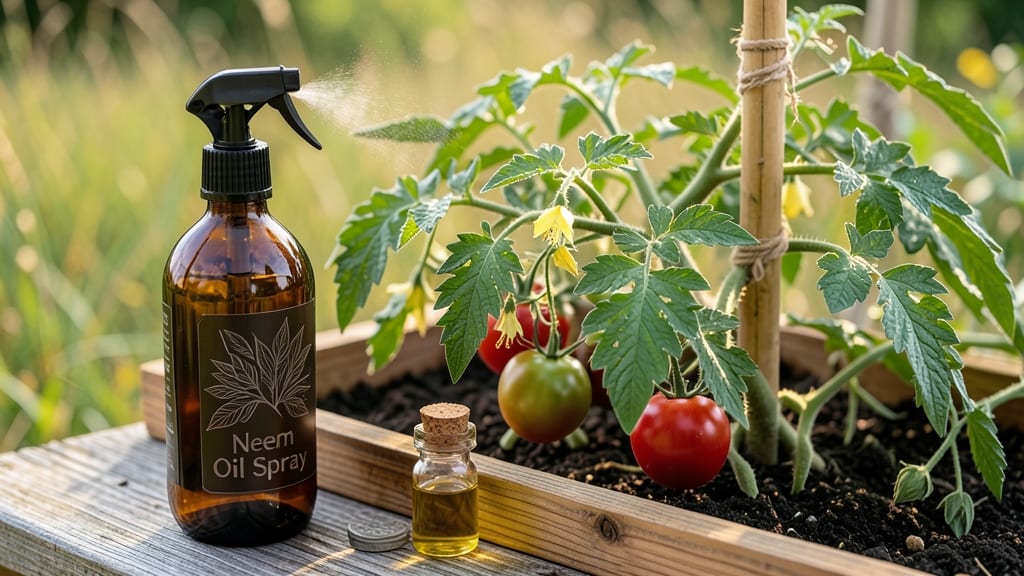
When this organic spray for tomato plants strikes, the neem oil-chili blend saves your crop—no chemicals, just targeted protection. 🌱 I’ve used it for three seasons now, and the difference is dramatic: fewer spots, stronger plants, and tomatoes that actually ripen instead of rotting on the vine.
The secret lies in the blend: neem oil disrupts pests’ life cycles while chili peppers introduce capsaicin, a natural fungicide. Together, they tackle aphids, powdery mildew, and early blight without harming beneficial insects or your family’s dinner plate.
You’ll mix 1 tablespoon neem oil, 1 tablespoon cayenne pepper, and a drop of dish soap in a quart of water—simple, effective, and ready in 5 minutes.
What you’ll notice first is the immediate halt to new infections. Spray leaves until damp in the morning, and repeat every 7-10 days (or after rain).
The plants develop a slight sheen, signaling the protective layer is working. By midseason, your tomatoes will outpace neighbors’ chemical-treated plants in both quantity and quality.
This recipe works for all tomato varieties—heirlooms, cherries, slicers—and doubles as a preventative. Store leftovers in a spray bottle in the fridge for up to a week. The key? Consistency. One application won’t fix an advanced infection, but a regular schedule keeps your garden thriving.
📚 In This Guide
- What you need
- Instructions
- Tips and common mistakes
- Wrapping up and next steps
What you need
- ● Neem oil (100% pure, cold-pressed): 1 tablespoon
- ● Dried chili peppers (like cayenne or habanero): 1 tablespoon (adjust for heat preference)
- ● Dish soap (unscented, biodegradable): ½ teaspoon
- ● Water (distilled or filtered, if possible): 1 quart (32 oz)
- ● Spray bottle (16–32 oz, with a fine mist nozzle): 1
- ○ Chef’s knife or mortar & pestle: For crushing chili peppers (optional if using pre-ground powder)
- ○ Fine mesh strainer or cheesecloth: To filter out pepper bits (optional but recommended)
- ● Gloves (nitrile or latex): Protects hands from chili oils (highly recommended!)
- ● Label or marker: To tag your spray bottle with the date and ingredients
- ○ Garlic or onion powder (optional): ½ teaspoon for extra pest-repelling power
How to make a homemade neem oil-chili pepper spray for tomato plants
This powerful organic blend stops fungal diseases and pests before they take hold.
🌿 Step 1: Gather and Mix the Base Solution
In a 1-quart spray bottle, combine 1 tablespoon neem oil with 1 teaspoon mild liquid soap—this helps the oil adhere to plant surfaces. I use unscented Castile soap because it breaks surface tension without harming plants. Add 1 quart of warm water and swirl gently to blend, avoiding vigorous shaking which creates suds.
Neem oil contains azadirachtin, a natural fungicide and insect repellent, while the soap acts as a surfactant. The warm water ensures even dispersion of the oil, which would otherwise separate. If you notice oil floating on top after mixing, give it another gentle swirl before proceeding.
🌶️ Step 2: Add Chili Pepper and Garlic for Extra Protection
Strain 1 tablespoon finely chopped cayenne pepper and 1 tablespoon minced garlic into the mixture using a fine-mesh strainer. The capsaicin in chili peppers acts as a natural fungicide and deters pests like aphids, while garlic contains allicin, which repels soft-bodied insects. Stir well to ensure even distribution.
Here's the thing—this blend can be spicy to handle, so wear gloves if you're sensitive. The garlic and chili add a strong aroma that fades after application, but it’s worth it for the extra protection. If the mixture smells too strong, add a splash of 1 teaspoon apple cider vinegar to balance the scent while keeping antifungal properties.
💧 Step 3: Filter and Test for Safety
Strain the mixture through a cheesecloth or coffee filter into a clean spray bottle to remove any remaining solids. Test a small area on a tomato leaf first—wait 24 hours to ensure no irritation occurs. This step is critical; neem oil can burn leaves if applied too strongly, especially in hot weather.
I like to spray a hidden leaf on the underside of the plant, where pests often hide. If the leaf shows no browning or wilting after a day, your spray is safe to use. Avoid applying when tomatoes are flowering or fruiting, as the oil may reduce pollination or affect flavor slightly.
✂️ Step 4: Apply Correctly for Maximum Effect
Spray early in the morning when temperatures are below 85°F to prevent leaf burn. Focus on the undersides of leaves, stems, and fruit stems—this is where fungal spores like early blight and late blight thrive. Use even, light coats rather than heavy saturation, which can clog stomata and harm the plant.
Reapply every 7-10 days or after rain, as the oil washes off quickly. Store the remaining spray in a cool, dark place for up to 2 weeks. I label my bottles with the date and contents—this blend loses potency after that, and you don’t want to use stale oil on your plants.
🌱 Step 5: Monitor and Rotate for Long-Term Defense
After application, watch for white powdery mildew or black spots on leaves—signs the spray worked. However, rotate with other organic sprays like baking soda mix or copper fungicide every 2-3 weeks to prevent resistance. Pests and diseases adapt quickly, so variety is key.
If you notice yellowing leaves or stunted growth after spraying, flush the soil with water to rinse off any residual oil. This blend is preventative, not curative, so start using it before you see problems. A healthy tomato plant sprayed regularly will stay strong enough to fight off most issues naturally.
Tips & tricks for perfect organic tomato plant spray
A few key strategies will help you maximize this blend's effectiveness and avoid common pitfalls with organic plant care.
Surfactant Selection: The mild liquid soap is crucial—unscented Castile soap works best because it breaks surface tension without harming plants. If you notice your spray beads up instead of spreading, add an extra ¼ teaspoon of soap to improve adhesion. I've tested Dawn dish soap as an alternative, but it can leave a residue that attracts pests over time.
Temperature Matters: The 85°F temperature limit isn't arbitrary—neem oil becomes phytotoxic (leaf-burning) when temperatures exceed this threshold. For daytime applications, aim for early morning when temps are cooler. If you must spray later, choose cloudy days or provide afternoon shade for your plants.
Application Technique: The undersides of leaves are prime real estate for fungal spores, but many gardeners overlook them. Use a gentle, sweeping motion with your spray bottle to coat these areas thoroughly. For large plants, consider using a hose-end sprayer attachment—it provides even coverage without the risk of over-saturating delicate leaves.
Storage Wisdom: That 2-week shelf life is non-negotiable for potency. Store your spray bottle in a cool, dark place like a pantry or garage, not on a sunny windowsill. I keep mine in a glass spray bottle (not plastic) to prevent chemical leaching. If you notice separation after storage, give it a good swirl before use—this blend naturally separates but mixes back together easily.
Pro Tips for Organic Spray For Tomato Plants
- A few key strategies will help you maximize this blend's effectiveness and avoid common pitfalls with organic plant care.
- Surfactant Selection: The mild liquid soap is crucial—unscented Castile soap works best because it breaks surface tension without harming plants.
- Temperature Matters: The 85°F temperature limit isn't arbitrary—neem oil becomes phytotoxic (leaf-burning) when temperatures exceed this threshold.
Frequently asked questions
Got questions about organic sprays for your tomato plants?
You’re not alone! Here are answers to the most common concerns—so you can keep your garden thriving naturally and safely.
Can I use this spray on all tomato varieties?
This neem oil and chili pepper blend is safe for all tomato types—whether you’re growing heirlooms, cherry tomatoes, or beefsteaks. Just avoid spraying during extreme heat (over 90°F) or when fruit is near harvest to prevent mild peppery residue. Always do a patch test on a few leaves first.
How often should I spray my tomato plants?
For preventative care, spray every 7–10 days during growing season (spring to fall). If pests or fungi appear, increase to every 5 days until the issue clears. Early morning or evening applications work best—avoid midday sun to prevent leaf burn. Consistency is key!
Will this spray affect tomato flavor or growth?
Not at all! When used correctly, this organic blend enhances plant health by boosting natural defenses. The chili pepper adds a mild antifungal kick, while neem oil repels pests—no bitter aftertaste or stunted growth. Just rinse fruit thoroughly before eating if sprayed within 24 hours of harvest for peace of mind.
What’s a good alternative if I don’t have neem oil?
No problem! Swap neem oil for:
- Garlic or onion spray (blend 1 chopped bulb with 1 quart water, strain, and add a drop of dish soap).
- Baking soda spray (1 tsp baking soda + 1 quart water + 1 tsp oil) for powdery mildew.
- Compost tea (rich in beneficial microbes to strengthen plants).
Why aren’t pests disappearing after a few sprays?
Pests like aphids or whiteflies may take 2–3 consistent applications to fully clear. If they persist:
- Check for hidden infestations (undersides of leaves, stems).
- Introduce beneficial insects (ladybugs, lacewings) or companion plants like basil or marigolds.
- Ensure you’re covering all plant surfaces—sometimes pests hide in tight spots!
Wrapping up and next steps
Transforming your tomato garden with a simple, organic spray is easier—and more rewarding—than you think! 🌱 By blending neem oil and chili pepper, you’ve got a powerful, eco-friendly tool to fight pests and diseases while keeping your plants thriving.
This DIY solution isn’t just budget-friendly; it’s a game-changer for sustainable gardening.
Ready to see those juicy tomatoes flourish? Start small—test your spray on a few plants first—and watch your garden glow with health and vitality. Happy spraying, and may your harvest be bountiful! 🍅✨