
Vegetables
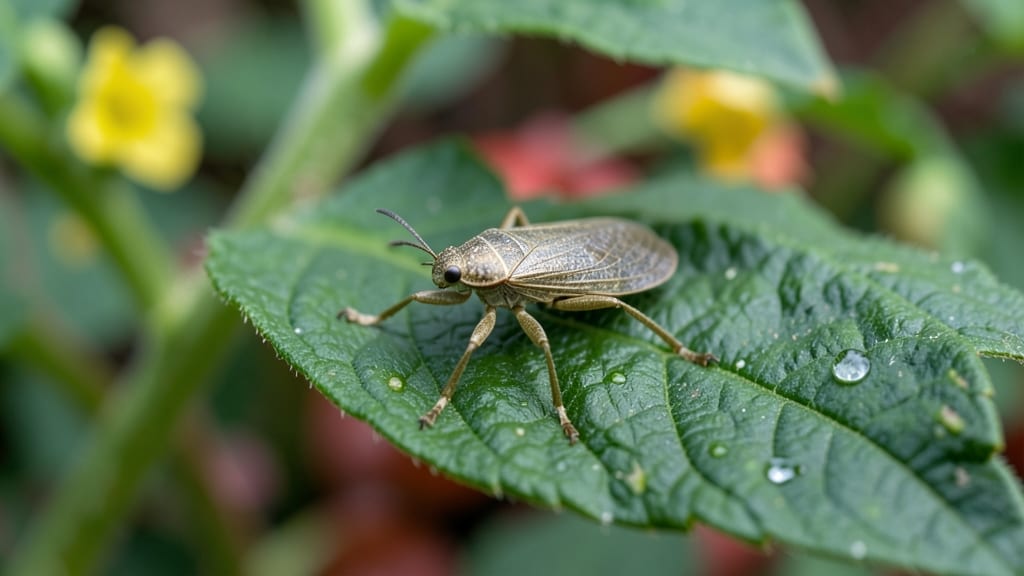
Spotting a picture of a tomato bug before it ruins your harvest starts with knowing exactly what to look for. 🌱 These tiny pests—hornworms, aphids, and spider mites—can turn lush plants into skeleton leaves overnight if you don’t act fast.
The key is catching them early, when a quick handpick or spray can save your entire crop.
Hornworms hide in plain sight: their green bodies blend into foliage, but check for chewed leaves with frass (black droppings)—that’s their calling card. Aphids cluster on new growth, leaving sticky residue, while spider mites spin fine webs on leaf undersides.
All three leave damage that’s easy to spot if you know where to look.
Once you identify them, act fast: handpick hornworms, blast aphids with water, or wipe spider mites off leaves with soapy water. Prevention is easier—cover young plants with row fabric or introduce ladybugs to keep populations in check before they explode.
This isn’t just about saving your tomatoes—it’s about reclaiming control over your garden. Now grab a magnifying glass and let’s get inspecting!
Why Your Tomatoes Invite Bugs
If you’ve ever spotted a picture of a tomato bug lurking on your plants, you’re not alone—these pests are drawn to tomatoes like a magnet. But why do they show up in the first place?
The answer lies in a mix of environmental cues, plant health, and even human habits. Let’s break down the real reasons these tiny troublemakers target your garden.
Healthy tomatoes are resilient, but when they’re under stress, they send out distress signals that bugs love. Here’s how it happens:
- Nutrient Deficiencies: Plants lacking nitrogen, phosphorus, or potassium grow weak, making them easier targets. Bugs like aphids and whiteflies detect these deficiencies and feast on the weakened foliage. Pro tip: Use a balanced fertilizer (like 10-10-10) to keep plants strong.
- Overwatering or Drought: Both extremes stress plants. Overwatering causes root rot and soft stems, while drought weakens leaves—both scenarios make tomatoes more appealing to pests like hornworms and spider mites.
- Poor Air Circulation: Dense foliage traps moisture, creating a humid microclimate that fungi and bugs thrive in. Solution: Prune plants to improve airflow and reduce pest hiding spots.
Bugs aren’t just after leaves—they’re drawn to ripe, soft, or injured tomatoes. Here’s why:
- Sugars and Moisture: Ripe tomatoes are packed with sugars and water, making them a buffet for fruit flies, beetles, and even birds. Actionable fix: Harvest tomatoes promptly and remove overripe ones from the plant.
- Physical Damage: Cracks, bruises, or punctures from hail or birds create entry points for pests like Tomato Pinworms, which lay eggs in wounded fruit.
- Fungal Invitation: Damaged fruit often rots, attracting fruit flies and other scavengers. Prevent it: Use row covers early in the season to shield tomatoes from physical harm.
Not all garden neighbors are helpful—some plants attract tomato pests. Here’s what you need to know:
- Basin Plants (e.g., Basil, Marigolds): While basil repels some pests, it can also attract whiteflies if overcrowded. Marigolds, though beneficial, may draw in aphids if stressed.
- Weeds and Wild Growth: Dandelions, nightshade, and other weeds harbor pests like stink bugs and colorado potato beetles, which then migrate to tomatoes.
- Solution: Space companion plants strategically and remove weeds regularly to break the pest cycle.
Bugs are opportunists, and certain weather patterns make them bolder. Here’s how climate affects their behavior:
- Warm, Humid Conditions: Ideal for aphids, spider mites, and whiteflies. These pests multiply rapidly in temperatures above 75°F (24°C) and high humidity.
- Dry, Windy Seasons: Attracts stink bugs and hornworms, which seek out moisture-rich tomatoes.
- Late Summer Surges: As tomatoes ripen in late summer, fruit flies and beetles become more active. Counteract it: Use reflective mulch or neem oil to deter them.
Understanding these triggers is the first step to outsmarting tomato pests. Next, we’ll cover how to actively prevent them from crashing your harvest—before they even show up in your picture of a tomato bug search!
Quick Fixes for Tomato Bugs
If you’ve spotted those pesky tomato bugs—whether they’re hornworms, aphids, or other garden invaders—don’t panic! These solutions will help you reclaim your tomato plants before the damage worsens. Below, we’ve broken down the most common causes and their fixes, so you can act fast and keep your harvest thriving.
Hornworms are the heavy hitters of tomato pests, capable of stripping a plant bare in days. Here’s how to tackle them:
🔥 Handpick Them Early
- Why it works: Hornworms are large and easy to spot (green with white stripes and a horn-like tail).
- How to do it: Wear gloves and pluck them off your plants in the morning when they’re sluggish.
Drop them into soapy water to kill them instantly. - Pro tip: 💡 Check the undersides of leaves—they love to hide there!
🍳 Introduce Natural Predators
- Why it works: Birds, parasitic wasps, and praying mantises feast on hornworms.
- How to do it: Plant flowers like dill, fennel, or marigolds nearby to attract these helpers. Avoid pesticides that harm beneficial insects.
🌡️ Use Bacillus Thuringiensis (Bt)
- Why it works: This organic bacteria targets caterpillars (including hornworms) without harming other insects.
- How to do it: Spray Bt on your plants in the evening when bees are less active. Reapply every 7–10 days or after rain.
Aphids cluster on new growth, draining nutrients and spreading viruses. Here’s how to evict them:
👨🍳 Blast Them Off with Water
- Why it works: A strong spray knocks aphids off plants and disrupts their life cycle.
- How to do it: Use a hose or spray bottle to blast infested areas, especially the undersides of leaves.
🥘 Neem Oil Spray
- Why it works: Neem oil disrupts aphid feeding and reproduction.
- How to do it: Mix 1 tbsp neem oil + 1 tsp mild soap + 1 quart water. Spray directly on aphids in the early morning or late evening.
🔪 Ladybugs: The Aphid Police
- Why it works: Ladybugs and their larvae devour aphids voraciously.
- How to do it: Buy ladybugs online or plant companion flowers like cosmos or yarrow to attract them naturally.
If you’re dealing with spider mites, whiteflies, or other pests, try these targeted fixes:
🕷️ Spider Mites: Combat with Oil Sprays
- Why it works: Spider mites hate horticultural oil, which smothers them.
- How to do it: Mix 1 tbsp horticultural oil + 1 tsp soap + 1 quart water. Spray thoroughly, focusing on the undersides of leaves.
👻 Whiteflies: Yellow Sticky Traps
- Why it works: Whiteflies are attracted to yellow, and sticky traps catch them before they lay eggs.
- How to do it: Hang yellow sticky traps near your tomato plants. For heavy infestations, use insecticidal soap.
⏰ Prevention: The Best Defense
- 🌱 Rotate crops to disrupt pest life cycles.
- 🌿 Plant companion crops like basil, garlic, or onions to repel bugs.
- 🌡️ Monitor regularly—catch pests early before they multiply!
Remember: The key to beating tomato bugs is speed and consistency. Act at the first sign of trouble, and your plants will bounce back stronger than ever! 🚀
Frequently asked questions
What’s the easiest way to tell if my tomato plants have bugs?
Look for chewed leaves, sticky residue (aphids), or tiny webs (spider mites). Hornworms leave large holes with black droppings, while whiteflies flutter when you shake the plant. Check undersides of leaves first—they’re prime hiding spots!
Are tomato bugs harmful to humans or pets?
Most tomato pests like hornworms or aphids are harmless to humans and pets. However, some garden sprays (like neem oil or insecticidal soap) can irritate pets if ingested—always apply when pets can’t access treated plants. Wash fruits thoroughly before eating.
Can I use store-bought pesticides on my tomato plants?
Use with caution! Many chemical pesticides harm beneficial insects and leave residues on edible fruit. Opt for organic solutions like Bacillus thuringiensis (Bt) or insecticidal soap first. If you must use chemicals, choose those labeled for edible plants and follow directions precisely.
How often should I check my tomato plants for bugs?
Inspect your plants 2-3 times per week, especially during warm, humid weather when pests multiply fastest. Early morning checks work best—bugs are sluggish then. Focus on new growth, leaf undersides, and fruit clusters where they hide.
What’s the best time of day to treat tomato bugs?
Early morning or late evening is ideal. This avoids harming bees and other pollinators while maximizing effectiveness. Sprays like neem oil or Bt work best when temperatures are cooler (below 85°F/29°C) and humidity is high.