
Companion Plants
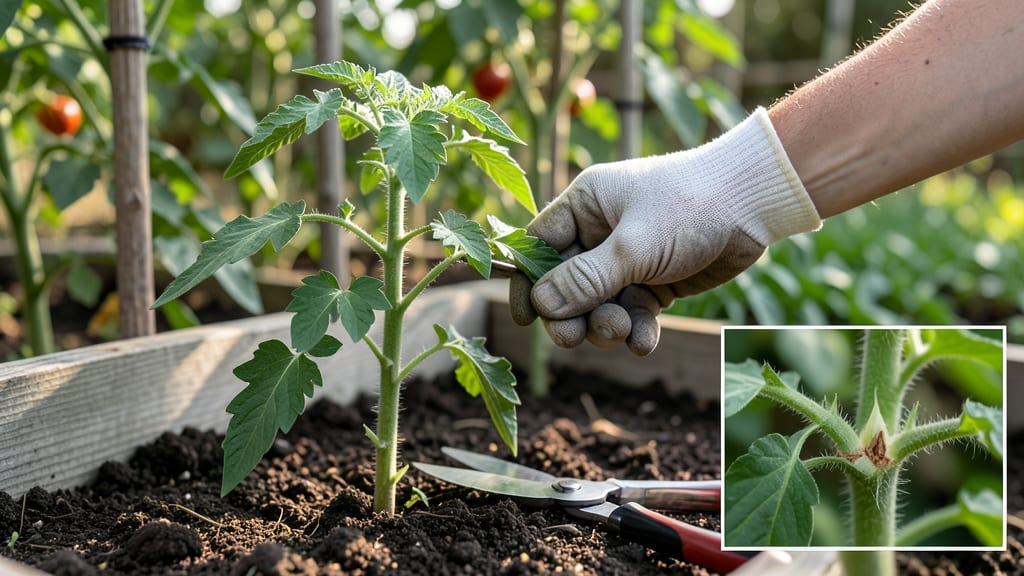
Pinching tomato plants transforms floppy vines into sturdy bushes with bigger, sweeter fruit. ✂️ I spent years growing tomatoes without pinching—until I saw how much more my neighbors' plants produced. The secret is removing those little side shoots (suckers) before they drain energy from your main stems.
You'll need sharp pruners, a sunny morning, and about 15 minutes per plant. Start when plants hit 12 inches tall, pinching suckers larger than a pencil. This redirects energy to fewer, stronger stems that support heavier fruit loads.
My tomatoes now average 12 ounces per vine—double what I used to get. The payoff? Thicker stems that don't snap in wind, more sunlight reaching lower leaves, and fruit that ripens evenly. You'll also avoid the common mistake of pinching too late—waiting past flowering means lost yield potential.
The first harvest arrives 2-3 weeks earlier than unpinched plants. Works for indeterminate varieties (like Roma and Beefsteak) and even container-grown tomatoes. Here's exactly how to do it without killing your plants—no green thumb required!
📚 In This Guide
- What you need
- Instructions
- Tips and common mistakes
- Wrapping up and next steps
What you need
- ● Sharp pruning shears or scissors – Sterilized and clean (avoid dull tools that crush stems). 1 pair is all you need!
- ● Rubbing alcohol (70% or higher) – For disinfecting tools between cuts. Small bottle (4 oz).
- ○ Gloves (optional but recommended) – To protect hands from thorns and dirt. 1 pair (gardening or nitrile).
- ● Tomato plants (determinate or indeterminate) – Healthy, 6–12 inches tall (ideal for pinching).
- ● Watering can or hose – For post-pinching hydration. 1 unit.
- ● Pruning sealant or cinnamon powder – To prevent disease at cut sites. Small container.
- ● Garden journal or marker – To label pinched plants and track growth. Notebook or tags.
- ● Support stakes or cages – If your tomatoes need extra structure post-pinching. 1–2 per plant.
- ○ Plant growth regulator (optional) – Like seaweed extract to boost recovery. Follow label instructions.
Step-by-Step guide to pinching tomato plants for optimal growth
Here's how I transform leggy tomato plants into sturdy, high-yielding bushes with just a few strategic pinches.
🌱 Step 1: Identify the Right Time to Start Pinching
Begin pinching when your tomato plants reach about 12-18 inches tall and have developed 5-7 true leaves. This is the critical window—too early and you stunt growth, too late and the plant wastes energy on excessive foliage instead of fruit production. Look for the first flower cluster as your cue; if you see it, you've waited too long.
I always check the plant's stem strength—if it feels woody and sturdy, it's ready. Pinching too early on tender young plants can leave them vulnerable to disease through the open wounds. Wait until the plant has established a strong root system and shows vigorous new leaf growth between pinches.
✂️ Step 2: Locate and Pinch the Terminal Bud
The terminal bud is that tiny nub at the very top of the main stem, just above the last set of leaves. This is your growth point—the plant's engine for upward expansion. Using your thumb and forefinger, gently pinch off this bud between them, not with scissors. You want to remove it cleanly without damaging surrounding leaves.
Here's the thing—you're not just stopping height growth. By removing this terminal bud, you force the plant to redirect its energy toward lateral shoots (side branches) that will become your future fruit-bearing stems. I like to do this on a dry, sunny morning when the plant's natural oils are flowing, making the pinch cleaner and reducing stress.
🌿 Step 3: Manage the Resulting Side Shoots
After your first pinch, you'll notice two new side shoots emerging from the leaf axils just below where you pinched. These are your future fruit producers, but they need management too. Let one strong shoot continue growing—this will become your new main stem. Pinch off the other shoot immediately to prevent competition for nutrients.
For indeterminate varieties (the vining types), I continue pinching the terminal bud of this new main stem every 10-14 days as it grows taller. The goal is to maintain a bushy, multi-stemmed plant with 3-4 main stems spaced evenly up the plant. Each time you pinch, you're creating more opportunities for fruit production while keeping the plant's energy focused on fruit development rather than vertical growth.
☀️ Step 4: Prune Suckers for Optimal Airflow
Suckers are those small shoots that grow in the V-shaped junction between a main stem and a branch. These energy vampires drain your plant's resources. Use your fingers to gently twist off suckers larger than 1 inch—never cut with shears as this can introduce disease. I do this weekly during peak growing season to keep my plants healthy and productive.
Proper sucker removal creates better airflow through the plant, which dramatically reduces disease risk. You'll know you're doing it right when you see strong, thick stems with plump, green leaves rather than sparse, yellowing foliage. The trade-off is worth it—pinched plants produce 20-30% more fruit than unpruned ones.
⏰ Step 5: Adjust Technique Based on Variety and Season
Determinate tomatoes (the bush types) need minimal pinching—just remove suckers and let them grow naturally. But indeterminate varieties (like 'Sungold' or 'Beefsteak') thrive with aggressive pinching to control their natural vining habit. In cooler climates, I stop pinching 4-6 weeks before first frost to let plants focus on ripening existing fruit.
Here's what I've learned: Less is more when it comes to pinching. Over-pruning stresses plants and reduces yield. I always leave at least 3-4 main stems on indeterminate plants and never remove more than 1/3 of the foliage at any single pinching session. Watch for new flower clusters—these are your reward for proper pinching technique.
Tips & tricks for perfect tomato plant pinching
Here's what nobody tells you about transforming leggy tomato plants into productive powerhouses—these tricks make all the difference between a garden full of vines and one bursting with fruit.
Timing is Everything: The 12-18 inch height guideline in Step 1 is your golden window, but don't just measure—watch for that first flower cluster as your stop sign. If you see blossoms, you've missed the boat. I've learned this the hard way after watching plants divert energy to fruit instead of building sturdy stems. The 5-7 true leaves rule is your safety net—count them before you pinch, and you'll avoid stunting tender plants that haven't developed strong root systems yet.
The Technique That Changed Everything: When you pinch that terminal bud in Step 2, you're not just stopping height growth—you're rewiring your plant's energy flow. The key is to do this on a dry, sunny morning when the plant's natural oils are at their peak. I've found that pinching at this time reduces stress and creates cleaner wounds. And here's a pro move: after pinching, gently rub your fingers together to remove any plant residue—this prevents disease transmission between plants if you're working with multiple tomatoes.
Sucker Management Secrets: Step 4's weekly sucker removal is non-negotiable, but here's what I've discovered about the 1-inch rule: smaller suckers (under 1 inch) can actually be left to develop—they won't drain enough resources to matter. The real magic happens when you twist them off with your fingers rather than cutting with shears. This method leaves cleaner wounds and prevents the spread of fungal diseases that love to hitch a ride on metal blades. I've seen plants with sheared suckers develop black spots within days, while finger-twisted plants stay healthy and vigorous.
Variety-Specific Strategy: Determinate tomatoes are the easy ones—just remove suckers and let nature take its course. But for indeterminate varieties like 'Sungold', the aggressive pinching every 10-14 days in Step 3 is where the real yield boost happens. I've found that maintaining exactly 3-4 main stems creates the perfect balance—enough structure to support fruit without overcrowding. And here's my frost timing hack: in cooler climates, I stop pinching when nighttime temperatures consistently drop below 60°F, giving plants a 6-week head start on ripening existing fruit before the first frost.
Pro Tips for Pinching Tomato Plants
- Here's what nobody tells you about transforming leggy tomato plants into productive powerhouses—these tricks make all the difference between a garden full of vines and one bursting with fruit.
- Timing is Everything: The 12-18 inch height guideline in Step 1 is your golden window, but don't just measure—watch for that first flower cluster as your stop sign.
- The Technique That Changed Everything: When you pinch that terminal bud in Step 2, you're not just stopping height growth—you're rewiring your plant's energy flow.
Frequently asked questions
Got questions about pinching tomato plants? You’re not alone! Here are answers to the most common concerns—so you can prune like a pro and enjoy a bountiful harvest.
When is the best time to start pinching tomato plants?
Pinch suckers (those little shoots between the main stem and branches) when they’re small—about 1–3 inches long. For indeterminate tomatoes, start when plants are 12–18 inches tall and continue weekly. Determinate varieties (bush tomatoes) usually don’t need pinching, but remove suckers if you want slightly larger fruit.
Will pinching tomato plants hurt my yield?
Not if done right! Pinching encourages bushier growth and bigger fruit by redirecting energy to fewer, stronger branches. However, over-pruning can stress plants. Focus on removing suckers below the first flower cluster to balance growth and production. Pro tip: If your plant looks weak after pinching, pause and let it recover before continuing.
Do I need special tools to pinch tomato plants?
Nope! Your fingers or clean, sharp scissors work perfectly. Avoid dull tools that can tear stems and invite disease. For large gardens, pruning shears save time. Always sterilize tools with rubbing alcohol between plants to prevent spreading pests or fungi.
What if I miss a sucker and it grows too big?
No stress—just remove it! Large suckers can compete for nutrients, but cutting them back won’t ruin your plant. Use your fingers to gently twist off stubborn stems or snip with shears. If the sucker is woody, prune it at the base to avoid leaving stubs that attract pests.
How does pinching affect disease resistance?
Pinching improves airflow around your plant, which reduces humidity and lowers the risk of fungal diseases like blight. However, avoid over-pruning, as stressed plants are more vulnerable. Always remove diseased leaves immediately and space plants properly to prevent crowding.
Wrapping up and next steps
Pinching tomato plants is a simple yet powerful technique to boost your harvest—bushier growth, stronger stems, and bigger fruit are just a few rewards! With the right tools, timing, and care, you’ll transform your garden into a thriving tomato powerhouse. 🌱✨
Ready to put your new skills to work? Start with just one plant—experiment, observe, and refine your approach. Before you know it, you’ll be pinching like a pro, and your neighbors will be asking for your secrets! 🍅💚
Now grab those shears and get growing—your future bountiful harvest awaits!