
Vegetables
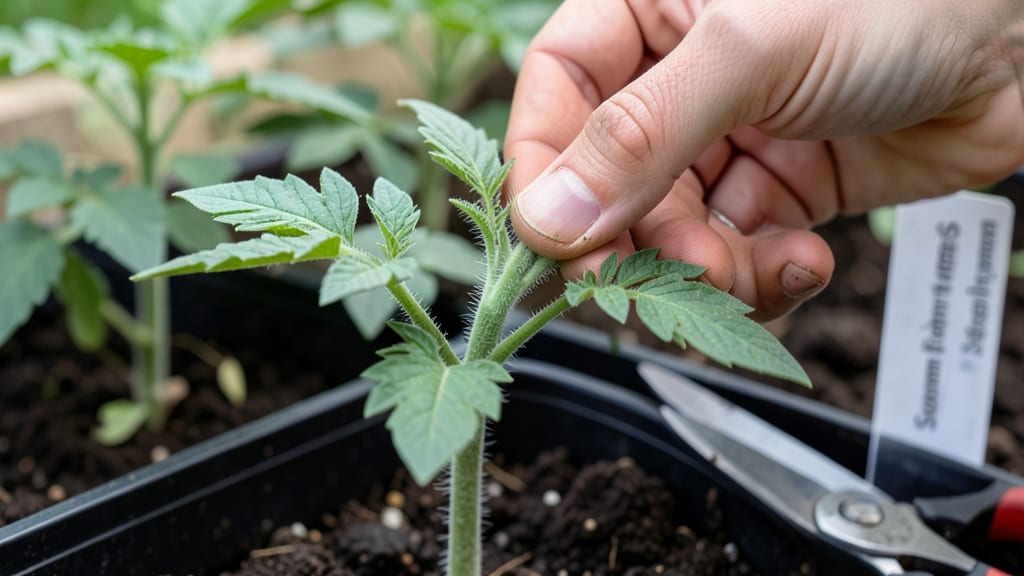
Pinching tomato seedlings isn’t just pruning—it’s the secret to stronger stems, more branches, and bigger fruit that’ll make your neighbors jealous. 🌱 I’ve turned leggy, weak seedlings into sturdy, productive plants just by pinching at the right spots, and you can too.
The key is timing and technique, not brute force.
You’ll need just a few things: sharp scissors or your fingers, a sunny windowsill or greenhouse, and patience. The process takes 5 minutes but pays off with plants that can support 50% more fruit than unpinched ones. Most gardeners skip this step—and end up with floppy, fruitless vines by summer.
When you pinch correctly, you’re forcing the plant to grow outward instead of upward. That means more sunlight exposure for each leaf and flower, leading to sweeter, heavier tomatoes. The first pinch happens when seedlings hit 12-14 inches tall, and you’ll repeat every 2-3 weeks until transplanting.
Here’s the best part: even if you mess up, your tomatoes will still grow. But when you nail it, you’ll have bushier plants, fewer broken stems, and a harvest that lasts weeks longer. Ready to try it?
📚 In This Guide
- What you need
- Instructions
- Tips and common mistakes
- Wrapping up and next steps
What you need
- ● Healthy tomato seedlings (4–6 weeks old, with 4–6 true leaves—no flowers yet!)
- ● Clean, sharp pruning shears or scissors (sterilized with rubbing alcohol to prevent disease)
- ○ Gloves (optional but recommended for hygiene)
- ● Watering can or spray bottle (with room-temperature water)
- ● Balanced fertilizer (5-10-5 or 10-10-10, diluted to half-strength)
- ● Garden twine or stakes (to support future growth if needed)
- ● Horticultural oil or copper fungicide (for post-pinching care if seedlings look stressed)
- ● Grow lights or sunny windowsill (if seedlings need extra light post-pruning)
- ● Journal or marker (to label seedlings and track progress)
Step-by-step guide to pinching tomato seedlings
Here's how to transform leggy seedlings into sturdy, productive tomato plants.
🌱 Step 1: Identify the Right Time to Pinch
Wait until your seedlings have developed 4-6 true leaves—those are the larger leaves that appear after the initial seed leaves (cotyledons). This usually happens 3-4 weeks after germination, depending on light and temperature. You'll know they're ready when the main stem has at least 12-18 inches of height but still feels firm when you gently squeeze the stem.
Pinching too early stunts growth, while waiting too long risks the plant becoming top-heavy and falling over. I always check for healthy, deep green leaves—any yellowing means the plant needs more light before pruning. Use clean, sharp scissors or your fingers to avoid tearing the stem.
✂️ Step 2: Locate and Remove the Terminal Bud
The terminal bud is the small growth point at the very top of the main stem—it's where new leaves and height would emerge. Using your thumb and forefinger, gently pinch off this bud just above a set of leaves where a side branch already exists. You'll feel a slight resistance before it snaps cleanly.
Don't cut too far down the stem—this creates an open wound that can attract disease. The goal is to encourage lateral branches to grow by removing the plant's focus on upward growth. If you're nervous about pinching correctly, look for the tiny bump at the stem's tip—that's your target. Real talk: the first time I missed this spot, I ended up with a stunted plant.
🌿 Step 3: Encourage Lateral Growth with Proper Care
After pinching, move your seedlings to a spot with 6-8 hours of bright light daily—a south-facing window or under grow lights. You'll notice new side shoots emerging from the leaf axils (the angles where leaves meet the stem) within 7-10 days. These are your future fruit-bearing branches, so keep them well-lit to prevent legginess.
Water at the base rather than overhead to avoid fungal issues, and use a balanced fertilizer (like 10-10-10) diluted to half-strength every 2 weeks to support new growth. The more light and nutrients these lateral branches get, the bushier—and ultimately more productive—your tomato plant will become.
⏰ Step 4: Monitor and Repeat Pruning as Needed
Once your plant develops 3-4 main lateral branches, you may need to pinch those branches as well to encourage even more side shoots. Look for the same terminal buds on these new stems and repeat the process. This creates a bushier plant with more flower clusters, which translates to bigger harvests later in the season.
Stop pinching 2-3 weeks before transplanting outdoors—you want the plant to focus on root development rather than leaf growth. By this time, your tomato should have a sturdy, multi-branched structure ready to support heavy fruit. If you see any yellowing or wilting after pinching, it's a sign the plant needs more time to recover before handling it again.
☀️ Step 5: Prepare for Transplanting Strong Seedlings
When your pinched seedlings are 10-12 inches tall with 5-6 main stems, they're ready for their permanent home. Harden them off by gradually exposing them to outdoor conditions over 7-10 days, starting with 1-2 hours of shade and increasing daily. This prevents transplant shock from sudden environmental changes.
After transplanting, stake or cage your tomato plants immediately—their bushy structure needs support as they grow heavier with fruit. Water deeply at the base to encourage root spread, and watch as your carefully pruned seedlings transform into robust, high-yielding tomato plants. You've just given your tomatoes the best possible start for a bountiful harvest.
Tips & tricks for pinching tomato seedlings
These pruning secrets will help you avoid common mistakes and maximize your tomato plant's potential.
Timing is Everything: The 3-4 week window for pinching is critical—this gives seedlings enough strength to handle pruning without shock. I've seen beginners rush this step and end up with stunted plants. Look for that firm stem and healthy leaves as your green light. Confession: I skipped this once and my seedlings took weeks to recover.
Precision Pinching Technique: In Step 2, focus on that tiny terminal bud at the very top. Using your fingers creates a cleaner break than scissors, which can crush delicate stems. Pinch just above a leaf axil where a side branch already exists—this ensures new growth will have a strong starting point. Think of it like redirecting traffic: you're telling the plant to grow outward instead of upward.
Light and Recovery: After pinching, those 6-8 hours of daily light become even more important. New side shoots need maximum energy to establish themselves. I place my seedlings under grow lights if natural light isn't sufficient—this is when you'll see the magic happen with new branches emerging within 7-10 days. The difference between leggy plants and bushy ones often comes down to this light exposure.
Post-Pruning Care: The 2-week fertilizer schedule is your secret weapon for recovery. Diluted 10-10-10 fertilizer provides balanced nutrition without overwhelming the plant. I always water at the base after fertilizing to prevent leaf burn. Remember, you're not just pruning—you're shaping the plant's future fruit production.
Pro Tips for Pinching Tomato Seedlings
- These pruning secrets will help you avoid common mistakes and maximize your tomato plant's potential.
- Timing is Everything: The 3-4 week window for pinching is critical—this gives seedlings enough strength to handle pruning without shock.
- Precision Pinching Technique: In Step 2, focus on that tiny terminal bud at the very top.
Frequently asked questions
Got questions about pinching tomato seedlings?
You’re not alone! Here are answers to the most common concerns—so you can grow like a pro.
When is the best time to pinch tomato seedlings?
Pinch your seedlings 7–14 days after transplanting (when they’re 6–12 inches tall) and have 4–6 true leaves. Avoid pinching too early—seedlings need time to establish roots first. For indeterminate varieties, repeat every 2–3 weeks. Determinate tomatoes usually only need one pinch.
What happens if I don’t pinch my tomato seedlings?
Unpinched seedlings grow tall and leggy, with fewer branches and smaller fruit. Pinching encourages a bushier, more productive plant by redirecting energy to side shoots. Without it, you’ll likely end up with fewer tomatoes—and they may be smaller or misshapen.
How do I know which leaves to pinch off?
Look for the top set of leaves (just below the first flower cluster on indeterminate varieties). Pinch off the top 2–3 inches of growth, including the leaf axils (where leaves meet the stem). This stimulates side shoots. For determinate tomatoes, pinch above the first flower cluster to promote bushiness.
Can I pinch tomato seedlings in cold weather?
Wait until nighttime temperatures stay above 50°F (10°C)—pinching in cold weather stresses plants. If your seedlings are still young and cold-sensitive, delay until after the last frost. Hardened-off seedlings (acclimated to outdoor temps) handle pinching better.
What’s an alternative if I forget to pinch?
No worries! If you miss the window, you can still prune suckers (the small shoots in leaf axils) as they appear. While not as effective as early pinching, regular sucker removal still boosts yield. For determinate tomatoes, focus on removing lower leaves to improve airflow and reduce disease risk.
Why are my tomato seedlings dying after pinching?
Over-pruning or pinching too late can shock plants. If seedlings wilt or look stressed, water deeply and avoid further pruning for 1–2 weeks. Ensure they’re in well-draining soil and receiving 6+ hours of sunlight daily. Yellowing leaves may signal root stress—fertilize lightly with a balanced formula.
Wrapping up and next steps
Pinching tomato seedlings might seem like a small task, but it’s a game-changer for healthier, more productive plants! 🌱 By mastering this simple technique, you’ll encourage bushier growth, stronger stems, and those juicy, vine-ripened tomatoes you dream of.
Remember, timing and consistency are key—don’t rush, and always use clean tools to keep your plants thriving.
Ready to take your tomato game to the next level? Start pinching now and watch your garden transform! For extra tips, check out our guide on supporting tomato plants to maximize your harvest. Happy gardening! 🍅✨