
Plants
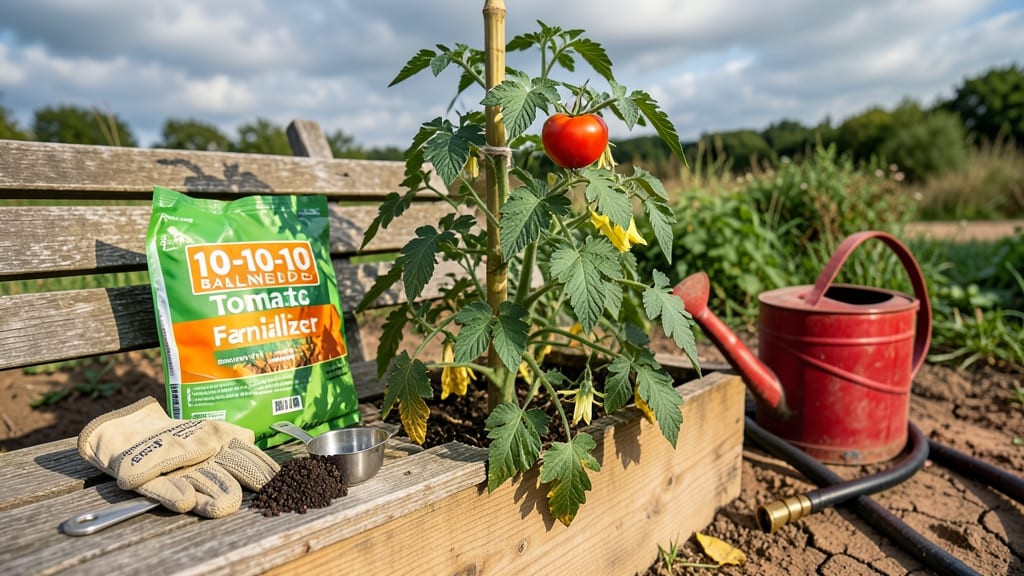
A tomato plant fertilizer schedule is the game-changer between a handful of blighted fruits and a vine groaning under the weight of juicy, ripe 🍅 tomatoes.
You’ve watered them, staked them, even talked to them (we’ve all been there), but if your plants are flowering like crazy and producing zero tomatoes, chances are your fertilizer timing is off.
Too much nitrogen too early? You’ll get leaves, not fruit. Skip the phosphorus at the wrong stage? Those blossoms will drop like they’re playing a sad game of pin the tail.
Here’s the truth: tomatoes need a three-act feeding plan—one that shifts from leafy growth to flowering to fruit set, with the right nutrients at each phase. Whether you’re using compost, synthetic blends, or fish emulsion, the key is knowing when to feed and when to hold back.
Below, I break down the month-by-month schedule that’s worked for me (and saved my plants from fertilizer burnout), plus how to spot the signs when you’ve overdone it. No guesswork, just a proven plan for bigger, healthier harvests.

Month-by-month tomato fertilizer schedule for optimal growth and fruit production
Tomatoes are heavy feeders, and their nutrient needs change dramatically from seedling to fruit production. A precise fertilizer schedule ensures your plants grow strong stems, vibrant flowers, and heavy fruit loads instead of just leafy greenery.
The key is balancing nitrogen (N) for growth, phosphorus (P) for flowering, and potassium (K) for fruiting—and timing applications perfectly with each growth stage.
Most gardeners make the mistake of over-fertilizing with nitrogen early on, which leads to lush foliage but few tomatoes. Instead, we’ll focus on a gradual shift from N-heavy feeds to P/K-rich fertilizers as your plants mature.
Organic options like compost tea or synthetic blends (like 5-10-10) work well, but the timing is everything.
Below is your month-by-month breakdown, tailored to a typical growing season in USDA Zone 6a (adjust slightly for cooler/warmer climates). Always apply fertilizer in the early morning to avoid leaf burn, and water deeply afterward to help nutrients absorb.
For organic gardeners, swap synthetic NPK ratios for compost tea (1:10 ratio), fish emulsion (5-1-1), or bone meal (0-3-0) during flowering. Always test your soil first—tomatoes thrive in slightly acidic soil (pH 6.0–6.8).
If your soil is already rich in compost, you may only need 2–3 feedings total instead of monthly applications.
Watch for nutrient deficiencies: yellow lower leaves signal nitrogen deficiency, while purple stems mean phosphorus is lacking. Adjust your schedule accordingly—tomatoes are forgiving but won’t produce if starved at the wrong time.
For example, if your plants flower but drop blossoms, they need more calcium or boron, not just NPK.
Pro tip: Side-dress with a handful of well-aged compost every 6 weeks during the growing season. This adds organic matter without overwhelming your tomatoes. Pair this with a mulch layer (straw or grass clippings) to retain moisture and regulate soil temperature—both critical for nutrient uptake.
Remember, less is often more with tomatoes. Over-fertilizing leads to weak stems, disease susceptibility, and poor fruit quality. Stick to the schedule, monitor your plants’ color and growth rate, and you’ll reward yourself with bushels of juicy, flavorful tomatoes all season long.
🌱
How to choose the right fertilizer for your tomato plants: organic vs synthetic options
Choosing the right tomato plant fertilizer can feel overwhelming with so many options. Organic fertilizers like compost and fish emulsion build soil health over time, while synthetic blends deliver quick nutrient hits. The key is matching your garden goals—whether you prioritize long-term soil fertility or immediate plant response.
For example, my heirloom tomatoes thrive with organic compost in early spring, but I switch to a balanced NPK formula (like 5-10-10) during flowering to boost fruit set.
The wrong choice can lead to yellow leaves (nitrogen deficiency) or blossom drop (phosphorus shortage), so let’s break down the pros and cons to help you decide.
Organic Fertilizers
Pros
- Improves soil structure long-term
- Reduces nutrient burn risk
- Supports beneficial microbes
- Eco-friendly and sustainable
Cons
- Slower nutrient release
- Requires pre-planting prep
- May contain weed seeds (compost)
- Higher initial cost for bulk
Synthetic Fertilizers
Pros
- Precise NPK ratios for each stage
- Fast-acting for immediate growth
- Long shelf life and easy storage
- Budget-friendly for large gardens
Cons
- Can cause nutrient imbalance if overused
- No soil health benefits
- Risk of chemical runoff
- Requires regular monitoring
If your tomato leaves turn yellow despite regular feeding, it’s often a sign of over-fertilizing with nitrogen. Switch to a low-nitrogen, high-phosphorus formula (like 2-10-5) to encourage flowering. For organic gardeners, fish emulsion is my go-to during fruiting—it’s packed with phosphorus and potassium, which tomatoes crave when setting fruit.
Cost is another factor: organic fertilizers like aged manure or worm castings can cost $0.50–$2 per pound, while synthetic blends run $0.20–$1 per pound. However, the long-term savings from improved soil health often outweigh the upfront expense. I’ve seen my tomato yields double after just one season of organic amendments!
For a hybrid approach, try half organic, half synthetic. Use compost in spring to build soil, then supplement with a tomato-specific synthetic during flowering. This gives you the best of both worlds—soil health and immediate nutrient boosts—without the risks of over-fertilization.
Always adjust based on your soil test results. If your soil is already rich in nitrogen, skip the high-N fertilizers entirely. And remember: less is more when it comes to tomatoes.
A little fertilizer goes a long way—just watch those plants respond like they’re auditioning for a gardening award! 🌱