
Planting
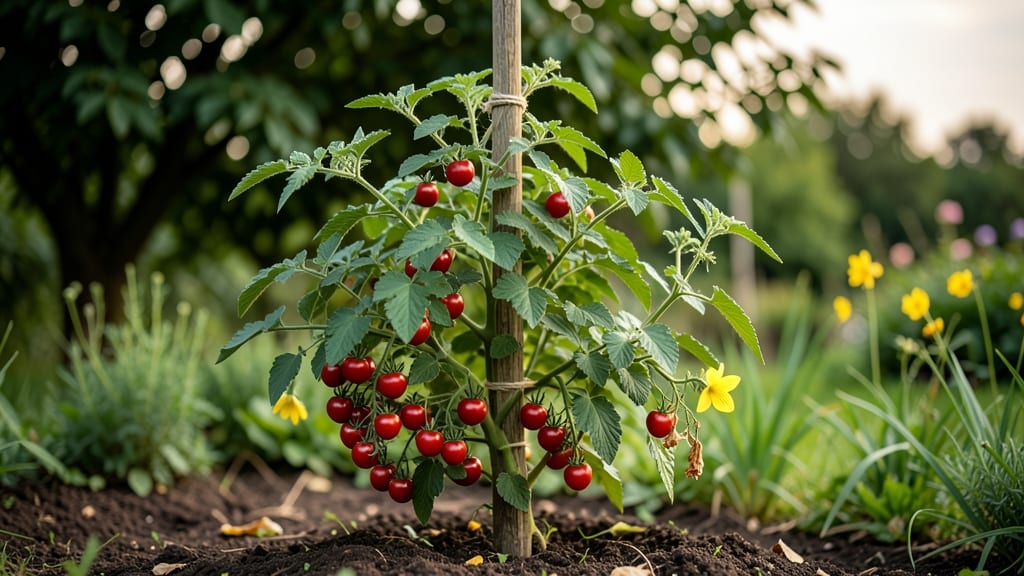
The Red Currant tomato plant isn't just another cherry tomato—it's a tiny, bursting-with-flavor heirloom that packs the sweetness of a sun-ripened grape into a bite-sized package. 🌱 I fell for this variety after my first harvest: clusters of ruby-red tomatoes that taste like summer in every juice-packed bite.
What makes it special? It thrives in containers, small gardens, and even hanging baskets, turning balconies into productive spaces without sacrificing flavor.
Start with well-draining soil mixed with compost and plant in full sun (6-8 hours daily). Space plants 18-24 inches apart—they’re compact but need room to breathe.
In cooler climates, wait until after the last frost, and if your zone gets chilly nights, opt for a black plastic mulch to warm the soil.
The key to success? Consistent moisture—water at the base (not overhead) to prevent cracking, and feed with a balanced fertilizer every 3-4 weeks once flowers appear.
Prune early to encourage bushier growth: pinch off suckers (those little shoots between stems) and trim back leggy branches. A small trellis or cage keeps plants tidy and makes harvesting easier—those currant-sized tomatoes love to hide!
Harvest when fully colored but still firm (usually 60-70 days after transplanting), and store in the fridge for up to a week. The flavor? Sweet, tangy, and addictive—perfect for snacking, salads, or skewering with mozzarella and basil.
Watch for cracking (too much water late in the season) and aphids (spray with soapy water if they appear). But don’t stress—this variety is disease-resistant and forgiving. With a little care, you’ll be swapping store-bought tomatoes for your own homegrown jewels in no time. Ready to grow yours?
📚 In This Guide
- What you need
- Instructions
- Tips and common mistakes
- Wrapping up and next steps
What you need
- ● Red Currant Tomato Seeds or Seedlings: Choose disease-resistant varieties like 'Red Cherry' or 'Sweet 100' for compact growth. Quantity: 1-3 plants (or seeds for sowing).
- ● Containers or Garden Bed: Containers: 5-gallon pots or fabric grow bags (minimum 12-18 inches deep with drainage holes). Quantity: 1 per plant.
- ● Garden Bed: Well-draining soil in a sunny spot (6+ hours of light daily). Space plants 18-24 inches apart.
- ● High-Quality Potting Mix: Lightweight, organic mix with perlite or vermiculite for aeration. Quantity: 1-2 bags (1-2 cubic feet per plant).
- ● Balanced Fertilizer: 10-10-10 or organic options like compost or worm castings. Quantity: Follow package instructions (typically 1 tbsp per plant).
- ● Tomato Cages or Stakes: Small cages (18-24 inches tall) or bamboo stakes for support. Quantity: 1 per plant.
- ● Watering Can or Hose with Nozzle: For gentle, deep watering (avoid wetting leaves).
- ● Pruning Shears: Sharp, sterilized shears for trimming suckers or dead leaves.
- ● pH Test Kit: To check soil pH (ideal range: 6.0-6.8).
- ● Mulch: Straw or shredded leaves to retain moisture and suppress weeds.
- ● Plant Labels: To track varieties and planting dates.
- ● Gloves: For comfort while handling soil or thorny plants.
Step-by-step guide to growing red currant tomatoes in small spaces
These tiny powerhouses pack big flavor—here's how to coax the most from your dwarf red currant plants.
🪴 Step 1: Select and Prepare the Perfect Container
Choose a container at least 12 inches deep with drainage holes—red currant tomatoes need room for their compact roots but despise soggy feet. I prefer fabric grow bags because they wick moisture while allowing roots to breathe. Fill the bottom third with a 2-inch layer of coarse perlite or gravel to create drainage space that prevents root rot.
Next, add a 2-inch layer of compost mixed into the bottom half of your potting mix. This ensures nutrients are available where the roots will spread most aggressively. The reason for this layering? Red currant tomatoes are heavy feeders but have shallow roots—you want their energy concentrated where it matters most.
☀️ Step 2: Plant and Position for Optimal Growth
Dig a hole in the center of your container that's just deep enough to accommodate the root ball without bending the stem. Gently remove the plant from its nursery pot and loosen any circling roots with your fingers—this prevents girdling as the plant matures. Place the tomato in the hole and backfill with potting mix, pressing lightly to eliminate air pockets.
Position your container in a spot that receives 6-8 hours of direct sunlight daily. South-facing windows or a sheltered patio work well, but watch for afternoon shade in hot climates—red currant tomatoes prefer gentle morning sun and afternoon relief. If you're using a grow light, keep it 6 inches above the plant and run it for 14-16 hours daily.
💧 Step 3: Water and Feed for Maximum Fruit Production
Water deeply immediately after planting, then wait until the top 2 inches of soil feel dry before watering again. Red currant tomatoes are drought-tolerant once established, but they reward consistent moisture with sweeter fruit. Always water at the base rather than overhead—this prevents fungal diseases that thrive in damp foliage.
Start fertilizing two weeks after planting with a balanced liquid fertilizer (10-10-10), applied every 10-14 days during the growing season. When flowers appear, switch to a low-nitrogen, high-phosphorus formula (5-10-10) to encourage fruiting. I like to mix a handful of worm castings into the top inch of soil monthly—this boosts microbial activity without risk of burning roots.
✂️ Step 4: Prune and Support for Compact Growth
Pinch off the first few flowers that appear, even if it's tempting to let them set fruit. This might seem counterintuitive, but red currant tomatoes produce their best flavor when they focus energy on developing a sturdy plant first. Once the plant reaches 12 inches tall, install a small tomato cage or stake—these varieties stay compact but benefit from support to prevent sprawling.
Prune suckers (the shoots that grow in the crotch between the main stem and branches) regularly. For red currant tomatoes, I remove all suckers below the first flower cluster to direct energy upward. Leave the top two leaves on each stem to maintain photosynthesis capacity. This pruning strategy keeps the plant bushy and productive in small spaces.
🍅 Step 5: Harvest and Maintain Through the Season
Harvest begins when tomatoes reach 1-1.5 inches in diameter and develop their signature red currant color. Use a small knife to twist gently at the stem—this prevents damaging the plant. I harvest every 2-3 days during peak production to encourage continuous flowering. Store harvested tomatoes at room temperature for up to 1 week or refrigerate for longer storage.
As the season progresses, watch for signs of stress like yellowing leaves or blossom end rot. Adjust watering if needed (too much calcium causes blossom end rot) and add a mulch layer of straw to retain moisture and regulate soil temperature. By late summer, you'll have a steady supply of these sweet, cherry-sized tomatoes—perfect for snacking or gourmet dishes.
Tips & tricks for perfect red currant tomato growth in small spaces
Here's what nobody tells you about maximizing these compact flavor bombs—tricks that'll transform your balcony into a productive tomato paradise.
Container Depth Matters: While 12 inches is the minimum, I've found that adding an extra 2-3 inches of depth (up to 15 inches) gives roots more room to establish before fruiting begins. This becomes especially important if you're growing in hot climates where roots need extra space to seek moisture. The key is to avoid overcrowding—red currant tomatoes have shallow but aggressive root systems that need horizontal space too.
Lighting Strategy for Small Spaces: The 6-8 hours of sunlight rule applies to natural light, but when supplementing with grow lights, position them so they cover the plant from all sides—not just above. I use a simple DIY solution of a ring light on a timer for my balcony plants, which mimics natural sunlight patterns better than single overhead lights. This circular light exposure prevents lopsided growth and ensures even ripening of all fruit clusters.
Fertilizer Timing Trick: When switching from the 10-10-10 balanced fertilizer to the 5-10-10 high-phosphorus formula at flowering, I recommend making the transition gradually over 2-3 feedings. Mix equal parts of both fertilizers during this period—this prevents sudden nutrient shocks that can cause blossom drop. The gradual switch mimics natural seasonal changes and gives your plant time to adjust its metabolic focus from foliage growth to fruit production.
Harvesting Hack: For continuous production, I've developed a staggered harvesting system: pick every other cluster every 2-3 days during peak season, then alternate which clusters you harvest on subsequent days. This maintains the plant's energy balance while ensuring you always have fresh tomatoes. The key is to never remove more than 25% of the fruit at any single harvest—this prevents stress that could lead to blossom end rot.
Pro Tips for Red Currant Tomato Plant
- Here's what nobody tells you about maximizing these compact flavor bombs—tricks that'll transform your balcony into a productive tomato paradise.
- Container Depth Matters: While 12 inches is the minimum, I've found that adding an extra 2-3 inches of depth (up to 15 inches) gives roots more room to establish before fruiting begins.
- Lighting Strategy for Small Spaces: The 6-8 hours of sunlight rule applies to natural light, but when supplementing with grow lights, position them so they cover the plant from all sides—not just above.
Frequently asked questions
How long does it take for red currant tomato plants to bear fruit?
Red currant tomatoes are fast producers! With proper care (sunlight, warmth, and consistent watering), you can expect the first ripe tomatoes in 60–70 days after transplanting seedlings. Some varieties even fruit earlier—just check the seed packet for specifics. Patience pays off with a burst of flavor!
Can red currant tomatoes survive winter in containers?
Unfortunately, these tender plants won’t overwinter outdoors in most climates. If you’re growing them in containers, bring them indoors before the first frost (or mulch heavily in mild zones). For next year, start fresh from seeds or store-bought seedlings—red currant tomatoes are annuals and thrive best as yearly plants.
Are red currant tomatoes the same as cherry tomatoes?
Close, but not identical! While both are small and sweet, red currant tomatoes are even smaller (pea-sized to grape-sized) and often have a tart-sweet flavor with fewer seeds. Cherry tomatoes are larger and milder. Think of red currants as the miniature, flavor-packed cousin!
What pests or diseases should I watch for with red currant tomato plants?
Common issues include:
- Blossom end rot (calcium deficiency—fix with crushed eggshells or lime).
- Aphids or whiteflies (spray with neem oil or insecticidal soap).
- Fungal diseases (like early blight)—improve airflow and avoid overhead watering.
Since they’re compact, inspect leaves daily and act fast to keep your plants thriving!
Can I grow red currant tomatoes in hanging baskets?
Absolutely! Their trailing vines make them perfect for hanging baskets (12–18 inches deep). Use a lightweight potting mix, water regularly, and add a drip irrigation system to keep roots happy. Just ensure the basket gets 6+ hours of sun daily—these little powerhouses love warmth!
Wrapping up and next steps
Growing red currant tomato plants in small spaces isn’t just possible—it’s a rewarding adventure! 🌱 These dwarf varieties pack a punch with their sweet, tangy flavor and compact size, making them perfect for balconies, containers, or even sunny windowsills.
Whether you're a seasoned gardener or a curious beginner, the key is patience, proper care, and a little creativity.
Now that you’re armed with the secrets to success, it’s time to roll up your sleeves and get planting! Start by choosing your favorite dwarf variety, gather your supplies, and give these little powerhouses the love they deserve.
Soon, you’ll be harvesting homegrown tomatoes that taste like sunshine—and bragging rights to boot. Happy gardening! 🌞