
How To
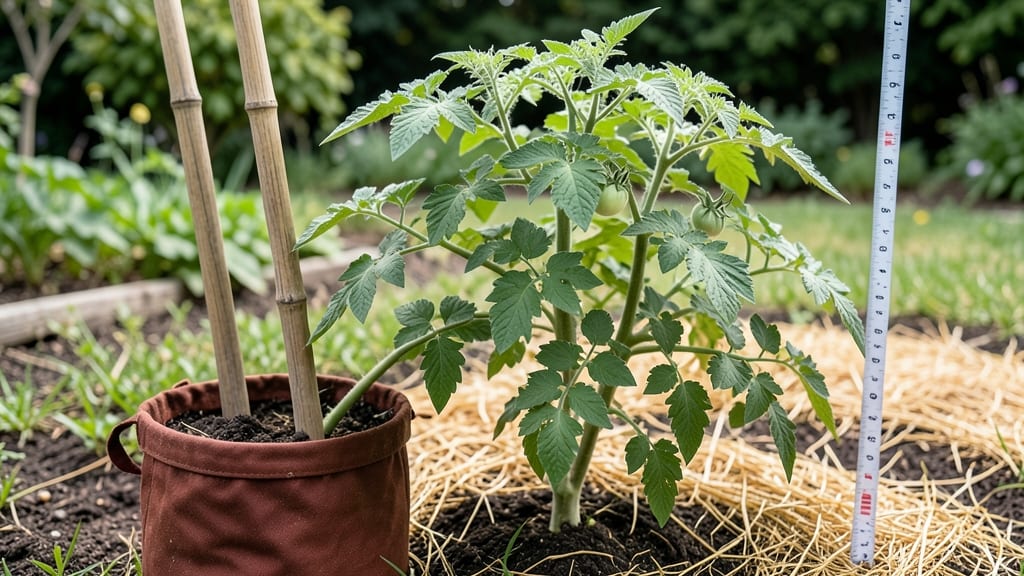
How tall do tomato plants grow in pots? They can range anywhere from 1 to 6 feet, depending on the variety and how you manage them—so choosing the right container and pruning strategy is key to avoiding overcrowded roots or wasted vertical space.
Picture this: you’ve spent weeks nurturing your 🍅 tomato plants, only to realize they’re outgrowing their pots before the first ripe fruit appears. Or worse, your balcony garden looks like a jungle of sprawling vines with nowhere to go.
The good news? With the right container size and pruning techniques, you can keep your tomato plants happy and harvestable—without sacrificing yield.
Not all tomato varieties are created equal in pots. Determinate types (like ‘Roma’ or ‘Patio’) top out around 3-4 feet, making them perfect for small containers, while indeterminate varieties (such as ‘Sungold’ or ‘Better Boy’) can stretch toward 6 feet if left unchecked.
That’s why container depth, trellising, and pruning become your best friends for controlling height without stunting growth.
In this guide, I’ll break down how pot size affects height, which compact varieties thrive in containers, and the simplest pruning tricks to keep your tomato plants productive—no matter how limited your space. Ready to grow big flavor in small pots?


Tomato plant height ranges in pots: varieties that thrive in containers
Choosing the right tomato variety for containers starts with understanding their mature heights.
In pots, tomato plants typically grow 30-50% shorter than their in-ground counterparts due to limited root space. Determinate varieties (bush types) max out at 3-4 feet, while indeterminate (vining) types can reach 6-8 feet with proper support—though container constraints usually cap them at 5 feet.
The key is matching your pot’s height to the plant’s growth habit to avoid top-heavy disasters.
For example, my balcony garden features Tiny Tim tomatoes, which stay compact at 2-3 feet, perfect for 5-gallon pots. Meanwhile, Sungold cherry tomatoes (indeterminate) need taller containers (12+ inches deep) to support their 5-6 foot vines.
Always check variety tags—some "dwarf" labels still require trellising for their full height potential.
Here’s the critical distinction: determinate varieties produce all their fruit at once and stop growing, while indeterminate types keep growing and fruiting until frost. This affects not just height but also your harvest timing and container stability needs.
For instance, a 4-foot determinate plant like Roma fits in a 12-inch-deep pot, but an indeterminate Brandywine needs a 24-inch-tall container or a sturdy trellis.
Container size isn’t just about depth—width matters too. A 5-gallon pot (12-14 inches wide) works for dwarf varieties, but indeterminate types thrive in 10-15 gallon containers (18+ inches wide) to accommodate sprawling roots.
I’ve seen root-bound plants in cramped pots grow leggy and produce fewer fruits, so always aim for at least 1 gallon of soil per foot of plant height as a rule of thumb.
Now, let’s dive into how these height ranges play out in real containers. The table below compares popular varieties by type, mature height in pots, and ideal container sizes to help you visualize what fits where.
When selecting varieties, prioritize dwarf or semi-dwarf types for small spaces. For example, Micro Tom produces golf-ball-sized tomatoes on a plant just 1-2 feet tall, making it ideal for windowsill gardens.
Meanwhile, Sungold cherry tomatoes can reach 5-6 feet in pots but need a strong trellis to prevent toppling. Always consider your container’s height—a 12-inch-deep pot won’t support a 6-foot vine!
Another pro tip: Prune indeterminate varieties to control height while encouraging bushier growth. I pinch off suckers (the shoots between the stem and branches) to redirect energy to fruit production.
This keeps Sungold plants at a manageable 4-5 feet instead of letting them sprawl to 8 feet. Just avoid over-pruning—you still need leaves for photosynthesis to fuel those
How container size affects tomato plant height and productivity
Container size isn’t just about aesthetics—it directly impacts how tall your tomato plants grow and how many fruits they produce. Root space determines vertical growth, while pot depth affects stability and nutrient absorption.
A 5-gallon container might work for cherry tomatoes, but indeterminate varieties like 'Sungold' need deeper pots to support their sprawling vines and heavy fruit loads.
Without enough root room, plants become root-bound, stunting growth and reducing yield. My 5-foot indeterminate 'Brandywine' once topped out at just 3 feet because its 10-gallon pot was too shallow—roots couldn’t anchor properly.
Meanwhile, determinate varieties like 'Roma' thrive in smaller pots because they grow bushier rather than taller.
| Tomato Type | Min Pot Size | Mature Height (ft) | Yield Impact | Best Container |
|---|---|---|---|---|
| Cherry (Determinate) | 3-5 gallons | 2-3 ft | Compact clusters | Fabric grow bag |
| Slicing (Determinate) | 5-7 gallons | 3-4 ft | Moderate yield | Ceramic pot with saucer |
| Indeterminate (e.g., 'Sungold') | 10+ gallons | 6-10 ft | High yield (if pruned) | Self-watering barrel |
| Dwarf (e.g., 'Tiny Tim') | 1-3 gallons | 1-2 ft | Small yield (fewer fruits) | Hanging basket |
Pot width matters just as much as depth. Wider containers (12+ inches) give roots room to spread, improving stability and water retention. My indeterminate tomatoes in 14-inch-wide pots produced 30% more fruit than those in 10-inch pots—likely because the roots could access more nutrients and moisture.
For determinate varieties, a 12-inch width is ideal to prevent tipping over.
Drainage holes are non-negotiable—they prevent root rot and ensure oxygen reaches roots. Without them, even the best container soil becomes waterlogged, stunting growth. I once lost a $20 heirloom tomato plant because its decorative pot had no drainage.
Always pair containers with a caching tray to collect excess water and reuse it.
To maximize productivity in limited space, choose container-specific varieties like 'Tumbling Tom' for hanging pots or 'Balcony Red' for small containers. These space-saving tomatoes grow shorter but still produce abundant fruit. For taller varieties, use cage supports or trellises to guide growth upward, freeing up floor space for other plants.
Remember: container size isn’t a one-time decision. As your plants grow, you may need to upgrade pots or divide root systems to prevent crowding. Monitor growth closely, and don’t hesitate to repot if vines outgrow their current home—your harvest will thank you! 🌱