
Companion Plants
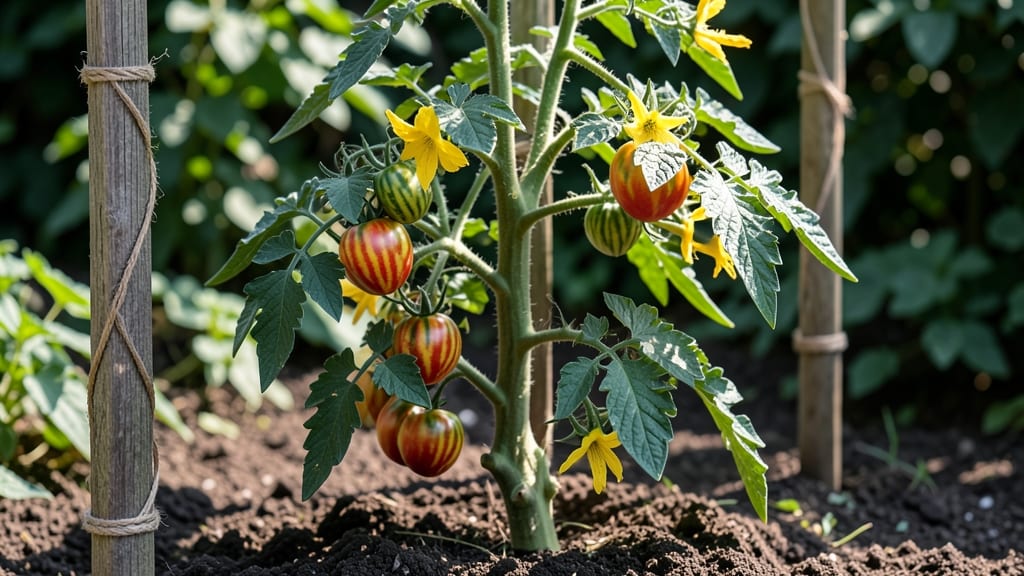
Growing Red Zebra tomato plants means harvesting heat-resistant fruits with stunning red-and-yellow stripes that look like they belong in a gourmet painting. 🌱 I’ve grown this heirloom variety for three summers now, and it’s become my go-to for late-season harvests—even when other tomatoes wilt in the heat.
The secret isn’t just the plant itself, but how you prep the soil, water, and protect it from pests. These tomatoes thrive in full sun (6+ hours daily) and well-draining soil with a pH between 6.0 and 6.8.
Start seeds indoors 6-8 weeks before your last frost, or buy sturdy transplants. The key is spacing: give each plant 2-3 feet of room to sprawl, since they’re indeterminate vines that keep growing all season. A cage or trellis will save your back—and your tomatoes—from sprawling chaos.
By midsummer, you’ll be snipping glossy, striped fruits that burst with smoky-sweet flavor. The plants handle heat better than most, so long as you water deeply 1-2 times per week (more in extreme heat) and mulch heavily to retain moisture.
Prune suckers regularly to focus energy on fruit production, and watch for hornworms—they adore these tomatoes too. Perfect for hot climates, containers, or small spaces—just avoid frost, and you’ll get a harvest until first frost. The stripes fade as they ripen, but the flavor only gets better.
Ready to grow yours?
📚 In This Guide
- What you need
- Instructions
- Tips and common mistakes
- Wrapping up and next steps
What you need
- ● Red Zebra tomato seeds or seedlings: 3–5 plants (for a small garden) or 6+ (for larger harvests). Choose heirloom seeds for authenticity!
- ● Well-draining potting mix or garden soil: 5–10 lbs (2.3–4.5 kg) enriched with compost (aim for a pH of 6.0–6.8).
- ● Containers (if not planting in-ground): 5–gallon pots (19L) with drainage holes, or fabric grow bags (1–2 per plant).
- ● Tomato cages or stakes: 6–8 ft (1.8–2.4 m) tall, heavy-duty metal or wooden cages (2–3 per plant).
- ● Balanced fertilizer (10-10-10 or 5-5-5): 1–2 lbs (0.5–1 kg) to amend soil at planting time.
- ● Mulch (straw or black plastic): 2–3 inches (5–7.5 cm) to retain moisture and suppress weeds.
- ● Garden trowel or transplanting spade (for digging holes or pots).
- ● Watering can or hose with a gentle spray nozzle (avoid overhead watering to prevent disease).
- ● Pruning shears (for removing suckers and shaping plants).
- ● Gloves (to protect hands from thorns and soil).
- ○ pH testing kit (optional) – Ensures soil is optimal for growth.
- ○ Shade cloth (30–50%, optional) – For seedlings or extreme heat protection.
- ● Sunlight: 6–8+ hours of direct sunlight daily (full sun is a must!).
- ● Warmth: Soil temperature should be at least 60°F (15°C) before planting.
- ● Space: 18–24 inches (45–60 cm) between plants for airflow and growth.
- ● Water source: Consistent access to water (drip irrigation or hand-watering works best).
Step-by-step guide to growing Red Zebra tomato plants
Here's how to cultivate this heat-loving variety with its signature striped fruit.
🌱 Step 1: Select the Right Planting Site
Red Zebra tomatoes thrive in full sun—choose a location that receives at least 8 hours of direct sunlight daily. I always look for a spot with protection from strong afternoon winds, which can stress the plants. The soil should drain well but retain moisture, so avoid low-lying areas where water pools after rain.
Test your soil's pH before planting—Red Zebras prefer a slightly acidic to neutral range (6.0–7.0). Amend heavy clay soil with 2–3 inches of compost mixed into the top 12 inches of soil. This improves drainage and provides essential nutrients for vigorous growth. If your soil is sandy, add 1–2 inches of organic matter like well-rotted manure or leaf mold to help retain moisture.
🪴 Step 2: Plant Transplants at the Correct Time and Depth
Plant Red Zebra tomato seedlings after the last frost date when soil temperatures reach at least 60°F. These heat-resistant plants handle warmth beautifully, but they won’t tolerate cold soil. I like to harden off my seedlings for 7–10 days before transplanting by gradually exposing them to outdoor conditions during the day and bringing them inside at night.
Dig a hole twice as wide as the root ball but only as deep as the container the seedling came in. Place the plant in the hole, ensuring the stem is slightly above soil level—this prevents rot and encourages strong root development. Gently backfill with soil, pressing lightly to remove air pockets. Water deeply right after planting to settle the soil and encourage root growth.
☀️ Step 3: Provide Consistent Watering and Mulching
Water Red Zebra tomatoes deeply once or twice a week, depending on rainfall and temperature. The key is to keep the soil evenly moist but not soggy—these plants hate sitting in waterlogged conditions. I water in the early morning to reduce evaporation and fungal risks. You’ll know your watering is right when the top 2–3 inches of soil feel damp but not wet.
Apply a 2–3 inch layer of organic mulch (like straw or shredded leaves) around the base of the plant, keeping it 2–3 inches away from the stem. Mulch helps retain soil moisture, regulates temperature, and suppresses weeds. Replenish the mulch as it breaks down, especially during hot summer months when evaporation increases.
✂️ Step 4: Prune and Support for Maximum Yield
Red Zebra tomatoes benefit from regular pruning to improve air circulation and direct energy toward fruit production. Remove suckers (the small shoots that form in the joint between the main stem and branches) as soon as they appear. I prune mine weekly during the growing season to keep the plant focused on producing fruit rather than excessive foliage.
Install a sturdy cage or trellis at planting time—these indeterminate plants grow 6–8 feet tall and need support. As the plant grows, gently weave the main stem through the cage or tie it to the trellis with soft plant ties. Prune any branches that grow outside the support structure to keep the plant contained and reduce disease risk.
🌿 Step 5: Monitor for Pests and Harvest at Peak Ripeness
Watch for common tomato pests like hornworms, aphids, and whiteflies. I inspect my plants twice weekly, especially during warm, humid weather when pests thrive. Remove pests by hand or use neem oil as a natural deterrent. Avoid chemical sprays, as they can harm beneficial insects and leave residues on the fruit.
Harvest Red Zebra tomatoes when they reach full color and slight softness—usually 70–80 days after transplanting. The stripes should be deep red with green accents, and the fruit should yield slightly when gently squeezed. Pick tomatoes every 2–3 days to encourage continuous production. Store harvested tomatoes at room temperature for up to 2 weeks or refrigerate for longer storage.
Tips & tricks for perfect Red Zebra tomato growth
Growing these striking striped tomatoes successfully comes down to a few key strategies that prevent common pitfalls and maximize your harvest.
Sunlight Optimization: While the instructions mention 8 hours of full sun, I've found that positioning your plants slightly east of true south (in the Northern Hemisphere) gives them gentle morning sunlight and protects them from harsh afternoon rays. This helps prevent sunburn on the fruit while still meeting the light requirements. If you're in a particularly hot climate, consider using shade cloth for 2-3 hours in the peak afternoon—this won't reduce sunlight exposure but will prevent heat stress.
Soil Preparation Pro Tip: The recommended 2-3 inches of compost in the top 12 inches of soil is excellent, but I take it further by mixing in a handful of bone meal at planting time. This adds phosphorus for root development and early flowering, which Red Zebras appreciate. For sandy soils, I also incorporate 1-2 inches of coconut coir—it holds moisture better than traditional organic matter while still improving drainage. The key is to create that perfect balance between moisture retention and aeration.
Watering Wisdom: The instructions suggest watering deeply once or twice weekly, but I've learned that consistency matters more than frequency. I use a moisture meter to check that the top 2-3 inches stay consistently damp rather than relying on a schedule. For container-grown plants, I water every morning regardless of the calendar—containers dry out faster. The early morning timing is crucial because it allows foliage to dry completely before evening, reducing fungal diseases like early blight that love damp leaves.
Pest Prevention Strategy: While neem oil is mentioned for pest control, I've found that a simple garlic spray (1 chopped garlic bulb per quart of water, steeped overnight) applied weekly during the growing season deters aphids and whiteflies without harming beneficial insects. For hornworms, I've had success with handpicking them in the early morning when they're sluggish. The secret is to check plants twice weekly—right after watering when pests are most visible. I also recommend planting basil nearby as a companion plant; its scent repels many tomato pests naturally.
Pro Tips for Red Zebra Tomato Plants
- Growing these striking striped tomatoes successfully comes down to a few key strategies that prevent common pitfalls and maximize your harvest.
- This helps prevent sunburn on the fruit while still meeting the light requirements.
- Soil Preparation Pro Tip: The recommended 2-3 inches of compost in the top 12 inches of soil is excellent, but I take it further by mixing in a handful of bone meal at planting time.
Frequently asked questions
Got questions about growing Red Zebra tomato plants? You’re not alone!
Here are answers to the most common queries—from planting tips to troubleshooting—so you can grow this stunning (and delicious) heirloom with confidence.
How do I protect Red Zebra tomatoes from heat stress?
Red Zebra tomatoes are heat-tolerant, but extreme heat (above 90°F/32°C) can still stress them. Provide afternoon shade with shade cloth or plant near taller companions like corn or sunflowers. Mulch with straw to keep roots cool and water deeply at the base in the morning to reduce evaporation. Avoid wetting leaves to prevent sunburn.
When is the best time to transplant Red Zebra seedlings?
Wait until nighttime temperatures stay above 50°F (10°C) and all frost risk has passed. For most climates, this means 2–3 weeks after your last frost date (typically late April–May in the U.S.). Harden off seedlings by gradually exposing them to outdoor conditions for 1–2 weeks before transplanting.
What are the best companion plants for Red Zebra tomatoes?
Red Zebra tomatoes thrive with herbs like basil and marigolds (which repel pests), bush beans (fix nitrogen in the soil), and onions or garlic (deter tomato hornworms). Avoid planting near brassicas (kale, cabbage) or corn, as they compete for nutrients.
How do I prevent common pests like hornworms or aphids?
Start with neem oil or insecticidal soap for early infestations. Introduce beneficial insects like ladybugs or lacewings. For hornworms, handpick them (they’re easy to spot!) or encourage parasitic wasps (they lay eggs inside hornworms, naturally controlling the population). Row covers can also deter pests early in the season.
Why are my Red Zebra tomatoes cracking?
Cracking usually happens due to inconsistent watering—soil that’s too dry followed by sudden heavy watering causes fruit to split. Keep soil evenly moist (but not waterlogged) and mulch to maintain steady moisture. If cracking occurs, harvest tomatoes when they’re slightly green to ripen indoors.
Can I grow Red Zebra tomatoes in containers?
Yes! Choose a 5-gallon container or larger with drainage holes and fill it with well-draining potting mix. Use a cage or trellis for support, as indeterminate varieties grow tall. Place containers in full sun (6+ hours/day) and water regularly, as pots dry out faster than garden soil.
Wrapping up and next steps
Growing red zebra tomato plants is a rewarding journey that brings bold flavors and striking beauty to your garden—especially in hot climates! 🌿 Their heat resistance and unique striped fruit make them a standout choice for both novice and experienced gardeners.
Whether you're drawn to their visual appeal or delicious yield, these tomatoes prove that vibrant gardening can thrive even under the sun.
Ready to take the next step? Start by selecting the perfect companion plants (like basil or marigolds) to boost growth and deter pests. Then, watch your garden flourish with confidence—one stripe at a time! 🌱