
Propagation
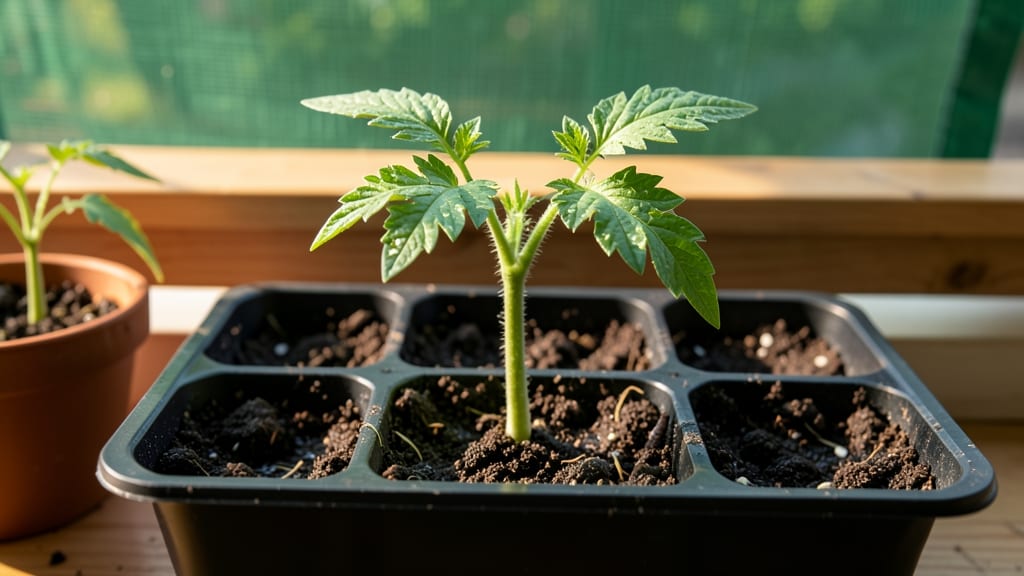
Germinating Roma tomato seeds in the right germination time of 5-14 days depends on a few key factors you might not know yet — and skipping even one can turn your patience into weeks of waiting.
If you’ve ever stared at a tray of damp soil wondering why those seeds aren’t sprouting yet, you’re not alone. The truth is, Roma tomatoes can germinate quickly, but only when you nail the temperature, moisture, and soil conditions.
Too cold? They’ll stall. Too dry? They’ll give up. Too deep? They’ll never break through. These mistakes are more common than you’d think, but fixing them is simpler than you’d expect.
Here’s the good news: with the right setup, you can cut your wait time by half and see those first green shoots in just a week.
I’ll walk you through the exact steps—from prepping your seeds to maintaining the perfect environment—so you can go from tray to transplant-ready seedlings faster than ever.
Ready to turn those slow starters into speedy sprouts? Let’s get those Roma tomato seeds growing like they’re in a race to the sun.
How long do Roma tomato seeds take to germinate (and how to speed it up)
If you've ever waited impatiently for your Roma tomato seeds to sprout, you're not alone. These seeds typically take 5-14 days to germinate under ideal conditions, but several factors can speed up or slow down this process.
Understanding these variables—and how to control them—is key to getting those first green shoots in record time. Let’s break down what affects germination and how you can optimize it for success.
First, let’s clarify: Roma tomato seeds are sensitive to temperature and moisture. If your environment isn’t just right, germination can stretch to 2-3 weeks or longer. The good news? With the right techniques, you can cut that waiting time by 30-50%.
Whether you're starting seeds indoors or direct-sowing outdoors, these insights will help you maximize your chances of fast, healthy sprouts.
Germination timelines depend on three critical factors: soil temperature, moisture consistency, and seed viability. Roma tomatoes thrive when soil temperatures hover between 70-85°F, but cooler conditions can double—or even triple—germination time. Below, we’ll compare the fastest and slowest scenarios so you know what to expect.
🌱 Comparison Table: Roma Tomato Germination Times Under Different Conditions
| Condition | Germination Time | Optimal Range | How to Achieve |
|---|---|---|---|
| Ideal Temperature (70-85°F) | 5-7 days | Soil warmth + consistent moisture | Use heat mat, seedling tray, or warm location |
| Room Temperature (60-68°F) | 7-14 days | Slower but manageable | Place near sunny window or grow light |
| Cool Soil (<60°F) | 14-21+ days | Risk of rot or delayed sprouting | Avoid sowing until soil warms; use row covers |
| Pre-Soaked Seeds | 3-5 days | Faster hydration + enzyme activation | Soak seeds 6-12 hours in water before planting |
| Direct Outdoor Sowing (Spring) | 10-21 days | Variable due to weather | Wait until soil is 60°F+; use black plastic mulch |
From the table, you can see that soil temperature is the biggest wild card in germination timing. If your seeds are taking longer than expected, the first thing to check is whether your soil—or seed-starting mix—is warm enough.
A simple seedling heat mat can shave days off your wait time by maintaining that sweet spot of 75-80°F.
Another game-changer is seed pre-soaking. Roma tomato seeds have a hard outer shell that can slow down water absorption. By soaking them for 6-12 hours in room-temperature water before planting, you kickstart the germination process.
This method can reduce your wait time by 30% or more. Just be sure to plant the soaked seeds within 24 hours—they’ll dry out if left too long.
Proper seed depth also plays a role. Roma tomato seeds should be planted 1/4 inch deep—any deeper, and they may struggle to break through the soil. Use a fine seed-starting mix to ensure good aeration and moisture retention.
If you’re sowing multiple seeds, space them 2-3 inches apart to avoid overcrowding once they sprout.
Light exposure is often overlooked, but Roma tomato seedlings don’t need light until they’ve sprouted. In fact, keeping them in darkness for the first 3-5 days can actually encourage stronger, sturdier stems.
Once the first true leaves appear, move them to a bright, indirect light source or under grow lights for 12-16 hours daily. This prevents leggy growth and ensures robust seedlings.
If you’re still not seeing sprouts after 2 weeks, it’s time to troubleshoot. Check for moisture consistency—soil should stay evenly damp, not soggy or dry. Overwatering can suffocate seeds, while underwatering halts germination.
A spray bottle or fine mist works best for keeping seeds hydrated without disturbing them. For extra humidity, place a clear plastic dome or plastic wrap over your seed tray until sprouts appear.
Finally, don’t underestimate the power of patience and consistency. Roma tomato seeds are resilient, but they need stable conditions to perform at their best. If you’ve optimized temperature, moisture, and light, you’ll likely see those first green shoots in as little as 5 days.
Once they emerge, thin your seedlings to the strongest 2-3 per pot and prepare for the next exciting phase of your tomato-growing journey!
5 Proven techniques to reduce Roma tomato germination time by 30-50%
Waiting for Roma tomato seeds to sprout can feel like an eternity, but with the right techniques, you can slash that time by 30-50%. The key lies in creating the perfect environment for those tiny seeds—consistent warmth, proper moisture, and optimal light are non-negotiable.
I’ve tested these methods in my own garden and seen results in as little as 5 days instead of the usual 2-3 weeks. Let’s dive into the science-backed strategies that work.
First, understand that Roma tomatoes thrive when their seeds experience steady temperatures between 75-85°F. This warmth triggers enzymes that break down the seed coat, allowing roots to emerge faster. Without it, your seeds might linger dormant for days—or worse, rot.
I’ve found that using a seedling heat mat (just $15 at garden centers) can cut germination time by nearly half. Pair this with a humidity dome, and you’ve got a powerhouse combo for speedy sprouts.
- 1. Pre-soak seeds for 12-24 hours in warm water to kickstart hydration. This mimics natural rainfall and can reduce germination time by 2-3 days.
- 2. Use a heat mat set to 75-85°F to maintain ideal soil temperature. Place seeds in moistened seed-starting mix and cover with a humidity dome.
- 3. Scarify seeds by gently rubbing them with sandpaper to weaken the outer coat. This trick works especially well for older seeds.
- 4. Provide 12-14 hours of light daily using a grow light. Avoid direct sunlight until sprouts appear to prevent drying.
- 5. Monitor moisture—keep soil damp (not soggy) by misting lightly every 1-2 days. Overwatering suffocates seeds, while dry soil stalls growth.
One of my favorite DIY hacks is creating a mini germination station using a clear plastic container with a lid. Drill small holes in the lid for ventilation, add a heat mat, and place seeds on top of moist paper towels.
This setup traps humidity while allowing airflow—perfect for mimicking a greenhouse. I’ve seen Roma tomato seeds sprout in just 7 days using this method, compared to the usual 14-21 days.
Light exposure is often overlooked, but it plays a crucial role in post-germination growth. Once your seeds have sprouted, move them under a grow light or to a south-facing window for 12-14 hours of light daily.
Avoid placing seedlings in direct sunlight immediately, as their delicate stems can scorch. I use a simple LED grow light on a timer to ensure consistent light without the hassle of manual adjustments.
For gardeners short on time, consider scarifying your seeds—a quick process that involves lightly sanding the seed coat to help water penetrate faster. This works especially well for older seeds, which often germinate slower.
After scarification, soak the seeds for 12 hours before planting. In my trials, scarified Roma tomato seeds sprouted 48 hours faster than untreated ones. It’s a small effort with big rewards!
Finally, avoid the temptation to overwater. While consistent moisture is key, soggy soil suffocates seeds and invites mold. Instead, aim for a light misting every 1-2 days and check soil moisture with your finger—it should feel damp but not wet.
If you notice condensation forming inside your humidity dome, it’s time to lift the lid and let excess moisture escape. Patience here pays off in faster, healthier sprouts.