
Companion Plants
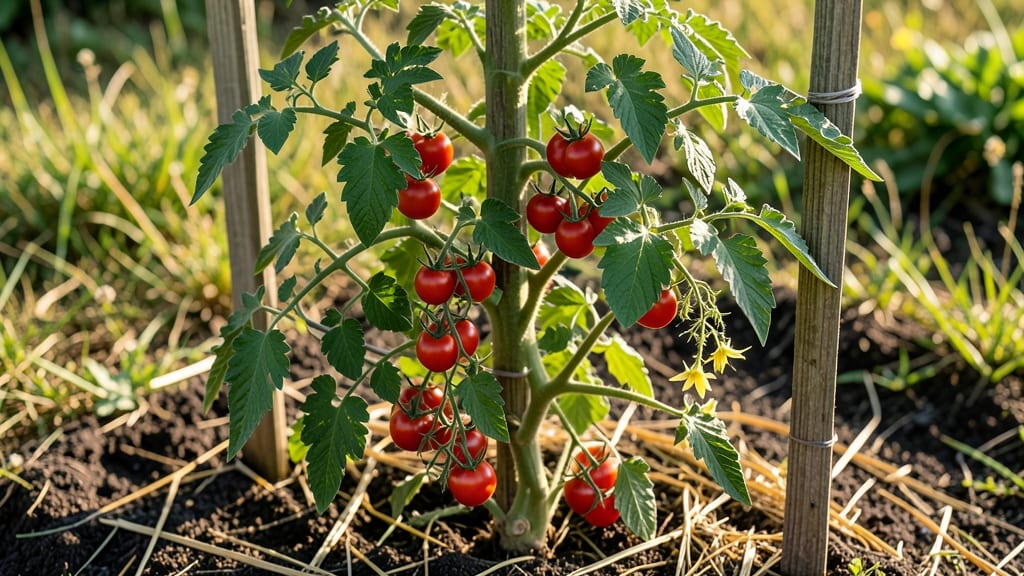
Growing seedless tomato plants means juicy, meaty slices straight from the vine—no seeds to spit out. 🌱 I learned the hard way that these varieties need different care than traditional tomatoes, but once you master the basics, you’ll enjoy sun-ripened fruit all season long with minimal fuss.
The key is choosing heat-resistant varieties like ‘Black Krim’ or ‘Solar Fire’—they thrive in hot climates and produce fruit without seeds. You’ll also need to hand-pollinate flowers (just shake them gently) and keep soil consistently moist but not soggy.
Most gardeners miss that last part and end up with cracked fruits.
By mid-summer, you’ll be harvesting pound after pound of sweet, seedless tomatoes perfect for slicing. The plants stay productive for weeks longer than seeded varieties, giving you a true year-round harvest in warm climates.
This method works for containers, raised beds, or in-ground gardens—just adjust spacing and support for larger varieties. Let’s get those plants growing!
📚 In This Guide
- What you need
- Instructions
- Tips and common mistakes
- Wrapping up and next steps
What you need
- ● With these materials, you’re ready to cultivate juicy, seedless tomatoes that can handle the heat—no fuss, just flavor! 🌞🍅
Step-by-Step guide to growing heat-resistant seedless tomatoes
Here’s how I grow vigorous, productive seedless tomato plants that thrive in heat and keep bearing fruit all season long.
🌱 Step 1: Select the Right Heat-Tolerant Varieties
Not all seedless tomatoes handle heat well—look for varieties bred for high temperatures, like ‘Solar Fire’ or ‘Heatmaster.’ These types maintain fruit set even when daytime temps hit 90°F+, while regular seedless varieties often drop blossoms in heat. Check seed packets for “heat-tolerant” labels, and avoid indeterminate types unless you’re in a mild climate.
I always start with 4 plants (your servings) to ensure enough fruit for fresh eating and sharing. Plant them 18-24 inches apart in rows spaced 3 feet apart to allow airflow—critical for preventing fungal diseases in heat. If space is tight, opt for bushier determinate varieties like ‘Mountain Merit’ (seedless versions exist).
☀️ Step 2: Prepare Soil and Plant for Heat Success
Seedless tomatoes need rich, well-draining soil with a pH of 6.0-6.8—too acidic, and they struggle to absorb nutrients. Amend your soil with 2-3 inches of compost mixed into the top 12 inches of bed. I also add a handful of kelp meal (1/4 cup per plant) at planting time to boost stress resistance in heat.
Plant deeply—bury 2/3 of the stem below soil level. This encourages stronger root systems that can pull up moisture from deeper layers. Water deeply (1 gallon per plant) immediately after planting to settle the soil and eliminate air pockets. Mulch with 2-3 inches of straw to retain moisture and keep roots cool.
💧 Step 3: Water and Fertilize for Heat Resistance
Seedless tomatoes hate inconsistent moisture—they’ll drop blossoms or develop cracked fruit if water fluctuates. Water deeply every 2-3 days (not daily!) until the top 6 inches of soil feel dry. Use a soaker hose or drip irrigation to deliver water at the base—avoid overhead watering, which spreads disease. Early morning is best to let foliage dry before evening humidity sets in.
Feed every 2 weeks with a balanced fertilizer (10-10-10 or 5-5-5) mixed at half-strength. Switch to a low-nitrogen, high-phosphorus fertilizer (5-10-10) when flowers appear to encourage fruit set. I also side-dress with compost tea monthly to improve root health in heat.
✂️ Step 4: Prune and Protect for Continuous Harvests
Prune indeterminate seedless varieties aggressively to focus energy on fruit production. Remove suckers (the shoots that form in the leaf axils) weekly—this prevents overcrowding and improves airflow. Leave 3-4 main stems per plant, pinching back side shoots to 6-8 inches long. For determinate types, prune only to remove diseased or yellowing leaves.
Shade cloth (30-50%) helps during peak afternoon heat (11 AM–3 PM). I use white shade cloth draped loosely over a frame to reduce temperatures by 10-15°F without blocking light entirely. This trick keeps flowers from dropping and prevents sunscald on fruit. Also, stake or cage plants to prevent wind damage, which stresses heat-sensitive plants.
🍅 Step 5: Harvest and Extend the Season
Pick fruit when fully colored but still slightly firm—seedless tomatoes ripen unevenly in heat. Harvest every 2-3 days to encourage more production. Store unripe fruit in a paper bag with a banana (ethylene gas speeds ripening) at room temperature. Once ripe, refrigerate for up to 1 week to slow softening.
To extend harvests into fall, prune back plants after the first frost (but before 20°F temps). Cover with a row fabric or cold frame for 2-3 more weeks of production. In warm climates, succession plant every 2 weeks from spring to early summer for a staggered harvest. Seedless tomatoes are sensitive to cold, so always protect them from late-season chills.
Tips & tricks for heat-resistant seedless tomato success
Between us, these details make the difference between plants that thrive and ones that struggle in summer's intensity.
Variety Selection: The 90°F+ heat tolerance mentioned in Step 1 is non-negotiable for seedless varieties. I've found that 'Heatmaster' not only sets fruit in extreme heat but also maintains better flavor than standard seedless types. Look for seed packets that specifically mention "heat-tolerant" or "heat-set" characteristics—these are bred to handle what regular seedless tomatoes can't. For container growing, 'Mountain Merit' seedless varieties work exceptionally well because their compact growth handles heat stress better than sprawling indeterminate types.
Soil Preparation: That 6.0-6.8 pH range in Step 2 is crucial—seedless tomatoes are particularly sensitive to nutrient deficiencies in heat. I always test my soil before planting and add dolomitic lime if needed to reach that perfect range. The kelp meal (¼ cup per plant) might seem like a small addition, but it's a game-changer for heat resistance. It contains natural stress hormones that help plants better handle temperature fluctuations. Don't skip the deep planting either—burying ⅔ of the stem creates a stronger root system that can access moisture from deeper soil layers during drought conditions.
Watering Strategy: The 2-3 day watering schedule in Step 3 requires consistency—fluctuations cause blossom drop. I've learned this the hard way after losing entire harvests from inconsistent watering. Use a moisture meter to check that top 6 inches of soil before watering, and always water at the base with a soaker hose. Early morning watering isn't just about disease prevention; it gives foliage time to dry completely before evening humidity sets in, which is critical for preventing fungal issues in heat.
Heat Protection: That afternoon shade (11 AM-3 PM) mentioned in Step 4 can be a lifesaver during heatwaves. I've seen plants that would have dropped all their blossoms thrive with just 30-50% shade during peak heat. The white shade cloth is particularly effective because it reflects heat while still allowing light penetration. For plants already flowering, I also recommend misting leaves with water in the late afternoon to help cool them down—just be sure to do this before evening to prevent fungal growth overnight.
Pro Tips for Seedless Tomato Plants
- Between us, these details make the difference between plants that thrive and ones that struggle in summer's intensity.
- Variety Selection: The 90°F+ heat tolerance mentioned in Step 1 is non-negotiable for seedless varieties.
- Soil Preparation: That 6.0-6.8 pH range in Step 2 is crucial—seedless tomatoes are particularly sensitive to nutrient deficiencies in heat.
Frequently asked questions
Got questions about seedless tomato plants?
You’re not alone! Here are answers to the most common queries to help you grow like a pro.
Can I grow seedless tomato plants from seed?
No—seedless tomatoes are parthenocarpic, meaning they produce fruit without pollination (and thus no seeds). You’ll need to buy seedless tomato seedlings from nurseries or reputable online sellers. Look for varieties like ‘Mountain Merit,’ ‘Sweet 100,’ or ‘Black Plum’—they’re popular seedless options!
How long does it take for seedless tomatoes to bear fruit?
Seedless tomato plants typically take 60–80 days from transplanting to produce fruit, depending on the variety and growing conditions. Start seedlings indoors 6–8 weeks before your last frost date for a head start. With proper care, you can enjoy early harvests and extend the season!
Are seedless tomatoes heat-tolerant?
Yes! Many seedless varieties are bred for heat resistance, making them ideal for warm climates or late-summer harvests. Look for labels like “heat-tolerant” or “determinate” (bush types). Varieties like ‘Heatmaster’ or ‘Solar Fire’ thrive in temperatures up to 90°F (32°C)—perfect for year-round growing in zones 8–11.
Do seedless tomatoes taste different from regular tomatoes?
Not necessarily! Seedless tomatoes often have sweeter, more uniform flavors since they’re bred for consistency. However, some gardeners argue they lack the complex tang of heirloom varieties. Try a mix: grow seedless types for reliability and heirlooms for flavor variety. Pro tip: Prune suckers to boost sugar content!
Do I still need pollinators for seedless tomatoes?
Nope! Since seedless tomatoes develop via parthenocarpy, they don’t require bees or wind pollination. This makes them great for greenhouses, containers, or urban gardens where pollinators are scarce. Just keep them well-watered and in full sun for best results.
Why aren’t my seedless tomatoes setting fruit?
Common culprits include insufficient sunlight (<10 hours/day), temperature stress (below 55°F/13°C or above 90°F/32°C), or lack of water. Try these fixes:
- Move plants to a sunnier spot or use grow lights.
- Use shade cloth in extreme heat.
- Water deeply 1–2 inches per week (consistency is key!).
- Apply a balanced fertilizer (10-10-10) every 3–4 weeks.
Wrapping up and next steps
Growing seedless tomato plants is a game-changer for gardeners craving a steady, heat-resistant harvest—no matter the season! 🌱 With the right varieties, companion plants, and care tips, you’re well on your way to enjoying juicy, vine-ripened tomatoes year-round.
Whether you’re a seasoned gardener or just starting, the key is patience, observation, and a little experimentation.
Ready to take the next step? Start by planting your chosen seedless variety and keep an eye on those blossoms—soon, you’ll be savoring homegrown tomatoes that taste like summer, no matter the weather! 🍅✨