
Planting
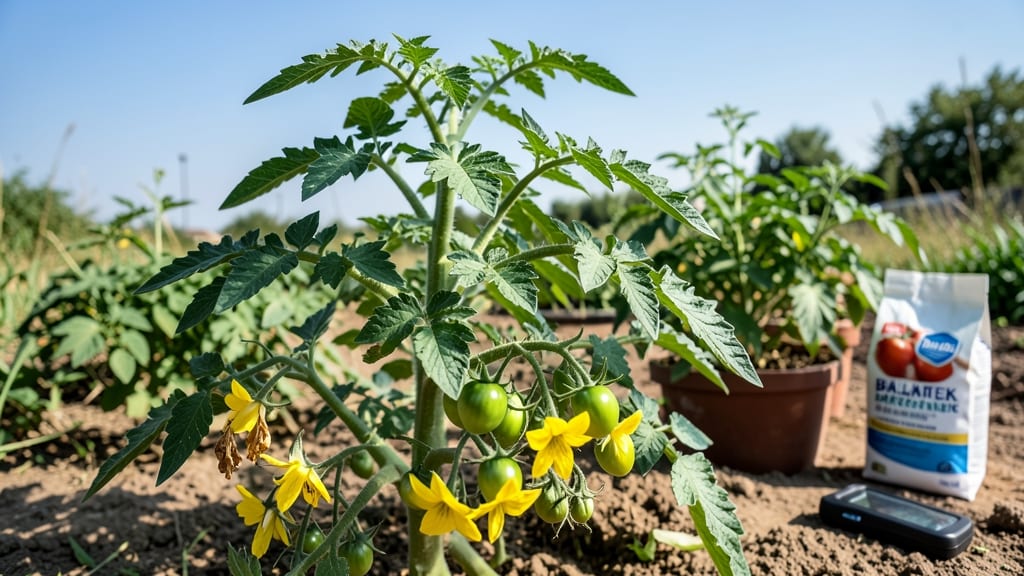
Your tomato plant might be growing but not producing fruit, and it’s not your fault. 🌱 The most common reasons are sunlight starvation, pollination problems, or nutrient imbalances, but the good news is that each has a simple fix.
I’ve seen plants go from zero fruit to bursting with tomatoes in just 2-3 weeks after adjusting one key factor.
First, check your plant’s sunlight exposure: tomatoes need 6-8 hours of direct sun daily, or they’ll focus on leaves instead of fruit. Next, inspect for pollination issues—wind or bees might not be enough, especially in containers.
Finally, overwatering or uneven fertilizer can trick the plant into thinking it’s not ready to fruit. A quick soil test or visual check (yellow leaves? brown edges?) reveals the culprit.
By the end of this, you’ll have a fruit-producing powerhouse—no more sad blossoms falling to the ground. The fixes are straightforward: adjust watering, add a little calcium or phosphorus, or hand-pollinate flowers.
I’ll walk you through each step so you can spot the problem and act fast, before another season slips by without those juicy rewards.
This works for container tomatoes, raised beds, or in-ground plants—no matter your setup. The key is catching the issue early, and I’ll show you how to tell them apart so you never waste another growing season on a leafy but fruitless plant.
Let’s get those tomatoes growing the way they should!
The Hidden Reasons Behind Fruitless Tomatoes
Tomato plants that grow lush and green but refuse to bear fruit can be frustrating, especially when you’re eager to enjoy homegrown tomatoes. 🍅😩 The issue often boils down to a few key factors—some environmental, some biological, and others tied to plant health.
Let’s break down the real culprits behind your tomato plant’s lack of production, so you can diagnose and fix the problem before it’s too late.
Tomatoes are self-pollinating, meaning they rely on wind, bees, or gentle vibrations to transfer pollen from the male anthers to the female pistil. Without proper pollination, flowers drop off before fruit sets.
Why it happens:
- Lack of pollinators (like bees) in your garden.
- Poor air circulation (e.g., dense foliage or overcrowded plants).
- Extreme heat or humidity (above 90°F/32°C), which can prevent pollen from sticking to the pistil.
- Windless conditions (common in greenhouses or indoor setups).
Actionable fix:
- Gently shake plants during flowering (morning is best).
- Hand-pollinate by dabbing a small paintbrush on each flower’s center.
- Plant pollinator-friendly flowers (like marigolds or basil) nearby.
- Use a small fan indoors to simulate wind.
Tomatoes are temperature-sensitive—too hot or too cold can disrupt fruit set.
Why it happens:
- Heat stress (above 90°F/32°C): Pollen becomes sterile, preventing fertilization.
- Cold stress (below 55°F/13°C at night): Flowers may drop before pollination occurs.
- Frost or sudden temperature swings can shock the plant.
Actionable fix:
- Provide afternoon shade during extreme heat (use shade cloth or row covers).
- Mulch heavily to keep soil temperatures stable.
- Choose heat-tolerant varieties (like ‘Solar Fire’ or ‘Heatmaster’).
- Extend the growing season with row covers in early spring or fall.
Tomatoes need balanced nutrition, but too much or too little of certain nutrients can halt fruit production.
Why it happens:
- Excess nitrogen (N): Leads to leafy growth at the expense of flowers/fruit (think "all foliage, no fruit").
- Deficiency in phosphorus (P) or potassium (K): Weakens flowering and fruit development.
- Calcium deficiency: Causes blossom-end rot (though this often appears after fruit sets, poor calcium weakens overall health).
- Over-fertilizing: Can burn roots, reducing energy for fruiting.
Actionable fix:
- Do a soil test to check nutrient levels (or use a DIY kit).
- Switch to a balanced fertilizer (like 5-10-10 or 10-10-10) once flowers appear.
- Add compost or bone meal for phosphorus (boosts flowering).
- Use Epsom salt (magnesium sulfate) if leaves show yellowing between veins (a sign of magnesium deficiency).
- Avoid high-nitrogen fertilizers (like lawn fertilizers) during flowering/fruiting stages.
Tomatoes are sensitive to moisture fluctuations, and inconsistent watering can lead to blossom drop.
Why it happens:
- Underwatering: Causes stress, leading to flower drop.
- Overwatering: Leads to root rot, which starves the plant of nutrients.
- Inconsistent moisture: Drought followed by sudden watering shocks the plant.
- Low humidity: Can cause pollen to dry out before pollination.
Actionable fix:
- Water deeply 1–2 times per week (1–2 inches per week, depending on climate).
- Use drip irrigation or soaker hoses to keep moisture consistent.
- Mulch heavily (2–3 inches of straw or wood chips) to retain soil moisture.
- Water in the morning to allow foliage to dry, reducing disease risk.
Tomato plants need space to breathe—both literally and figuratively.
Why it happens:
- Too much shade (from other plants or structures) weakens flowering.
- Poor airflow increases humidity, promoting fungal diseases (like blight) that stress the plant.
- Competition for nutrients in overcrowded beds reduces energy for fruiting.
Actionable fix:
- Prune suckers and lower leaves to improve airflow (but leave some foliage for shade).
- Space plants 18–24 inches apart (or use cages/stakes to keep them upright).
- Thin out nearby plants if they’re shading your tomatoes.
- Train vines vertically (using trellises or stakes) to maximize sunlight exposure.
Hidden pests or diseases can sap a plant’s energy, preventing it from focusing on fruit production.
Why it happens:
- Aphids, whiteflies, or spider mites suck sap, weakening the plant.
- Fungal diseases (like early blight or powdery mildew) reduce photosynthesis.
- Viral infections (spread by sap-sucking insects) can stunt growth.
- Root-knot nematodes damage roots, limiting nutrient uptake.
Actionable fix:
- Inspect leaves daily for pests (look under leaves for tiny bugs).
- Spray with neem oil or insecticidal soap for soft-bodied pests.
- Remove infected leaves (and destroy them) to prevent spread.
- Rotate crops yearly to avoid soil-borne diseases.
- Use row covers early to block pests before they infest.
Sometimes, plant hormones can trick tomatoes into dropping flowers before fruit sets.
Why it happens:
- Excess gibberellins (a growth hormone) can cause parthenocarpy (fruit without pollination) or blossom drop.
- Ethylene stress (from overripe fruit, poor air circulation, or physical damage) signals the plant to drop flowers.
- Stress from transplant shock (if moved too soon) can delay fruiting.
Actionable fix:
- Avoid over-fertilizing with nitrogen-heavy feeds (which can boost gibberellins).
- Remove overripe or damaged fruit promptly to reduce ethylene buildup.
- Transplant seedlings carefully (harden them off first and avoid root disturbance).
- Use a growth regulator (like hydrogen peroxide spray) if hormonal issues persist (consult a local nursery for recommendations).
Not all tomato varieties are created equal—some are more prone to blossom drop than others.
Why it happens:
- Determinate varieties (bush tomatoes) often produce a single flush of fruit and may drop blossoms if stressed.
- Heirloom or sensitive varieties (like ‘Brandywine’ or ‘Cherokee Purple’) are more finicky about conditions.
- Hybrids bred for disease resistance sometimes sacrifice fruit set for durability.
Actionable fix:
- Choose heat-tolerant or disease-resistant hybrids if you live in a tough climate.
- Stick to indeterminate varieties (like ‘Sungold’ or ‘Better Boy’) for continuous fruiting.
- Research your variety’s needs—some thrive in heat, others prefer cooler temps.
Most of these issues are easily corrected once you identify the root cause. Start with the most likely culprits (pollination, temperature, or nutrients) and adjust as needed. With a little troubleshooting, your tomato plants will be bursting with fruit in no time! 🍅✨
Quick Fixes to Boost Tomato Fruit Growth
If your tomato plants are thriving but refusing to fruit, don’t panic—there’s a solution for every problem! Below, we’ve mapped out practical fixes for the most common causes, along with prevention tips to keep your plants productive all season. 🍅✨
Tomatoes need warm days (70–85°F) and cool nights (55–65°F) to set fruit. Extreme heat or cold can cause blossoms to drop before fruiting.
How to Fix It:
- 🌡️ Cool Weather? Extend the growing season with row covers or a small greenhouse to trap heat.
- 🔥 Too Hot? Provide afternoon shade (use shade cloth) to prevent stress.
Mulch with straw to keep roots cool. - 🌱 Move Potted Plants to a spot with morning sun and afternoon shade if temperatures exceed 90°F.
💡 Prevention Tips:
- Choose heat-tolerant varieties like ‘Solar Fire’ or ‘Heatmaster’ if your climate is hot.
- Water deeply in the morning to help regulate soil temperature.
Inconsistent watering is a top culprit for poor fruiting. Too much or too little water disrupts pollination and nutrient uptake.
How to Fix It: - 💧 Check Soil Moisture—stick your finger 1–2 inches deep.
Water when dry. - 👨🍳 Use Drip Irrigation (best method) to deliver water slowly at the base (avoid wetting leaves). - ⏰ Water Early Morning (6–9 AM) to reduce evaporation and fungal risks. - 🌧️ Mulch Heavily (3–4 inches of straw or grass clippings) to retain moisture.
💡 Prevention Tips:
- Avoid overhead sprinklers—they can spread disease and wash away pollen.
- Group plants together to create a microclimate that retains moisture.
Tomatoes rely on bees, wind, or gentle shaking to pollinate flowers. If pollinators are scarce, flowers drop without fruit.
How to Fix It:
- 🐝 Attract Bees by planting bee-friendly flowers (marigolds, basil, borage) nearby.
- 👨🍳 Hand-Pollinate by gently shaking plants in the morning (when flowers are open).
- 🎯 Use a Paintbrush—dip in water, then lightly brush each flower’s center to transfer pollen.
💡 Prevention Tips:
- Avoid heavy pesticides—they kill pollinators. Use neem oil or insecticidal soap instead.
- Plant in full sun (6+ hours/day) to encourage more bee activity.
Tomatoes are heavy feeders—if they lack key nutrients, they’ll grow leaves but skip fruiting.
How to Fix It:
| Symptom | Likely Cause | Quick Fix |
|---|---|---|
| Yellow lower leaves | Nitrogen deficiency | Add compost or balanced fertilizer (10-10-10) |
| Purple stems/leaves | Phosphorus deficiency | Use bone meal or rock phosphate |
| Weak, leggy growth | Potassium deficiency | Apply wood ash or banana peel tea |
| Slow growth | General weak soil | Side-dress with compost mid-season |
💡 Prevention Tips:
- Test soil before planting (ideal pH: 6.0–6.8).
- Fertilize in stages:
- Early growth → Nitrogen (leaves)
- Flowering stage → Phosphorus (roots)
- Fruiting stage → Potassium (fruit development)
When plants compete for sunlight, water, and nutrients, they prioritize growth over fruiting.
How to Fix It:
- 🌱 Thin Seedlings—keep 1–2 strong plants per 18" of space (for bush varieties) or 2–3 ft apart (for indeterminate types).
- 🔪 Prune Lower Leaves—remove leaves touching the soil to improve airflow and sunlight penetration.
- 🌱 Repot or Transplant if roots are circling (common in containers).
💡 Prevention Tips:
- Start with the right spacing—follow seed packet guidelines.
- Use larger containers (5+ gallons) for indeterminate varieties to prevent root stress.
Pests like aphids, whiteflies, and fungal diseases (early blight, powdery mildew) stress plants, leading to dropped blossoms.
How to Fix It:
- 🐜 Spot Treat Pests with:
- Neem oil (for soft-bodied insects)
- Soapy water spray (1 tsp dish soap + 1 quart water)
- Beneficial insects (ladybugs, lacewings)
- 🌡️ Prevent Fungal Issues by:
- Watering at the base (not leaves)
- Removing infected leaves immediately
- Spacing plants for airflow
💡 Prevention Tips:
- Rotate crops yearly to prevent soil-borne diseases.
- Use copper fungicide as a preventive spray in humid climates.
🎯 Final Pro Tip: Keep a plant journal! Track watering, fertilizing, and weather patterns to spot trends and adjust next season.
With these fixes, your tomato plants should shift from leafy greens to juicy, vine-ripened fruit in no time. Happy gardening! 🍅🌟
Frequently asked questions
Why do my tomato flowers keep dropping before they turn into fruit?
This is called blossom drop, and it usually happens due to heat stress (above 90°F), poor pollination, or inconsistent watering. Tomatoes need stable conditions—try hand-pollinating flowers with a paintbrush or gently shaking plants in the morning. Also, ensure they get 1–2 inches of water weekly and avoid sudden temperature swings.
Can I fix my tomato plant if it’s already leafy but not fruiting?
Start by checking for nutrient imbalances—switch to a balanced fertilizer (like 10-10-10) and add compost or bone meal for phosphorus. Next, ensure 6–8 hours of sunlight daily and improve airflow by pruning lower leaves. With these adjustments, you’ll often see fruit within 2–3 weeks!
What’s the difference between determinate and indeterminate tomato varieties?
Determinate varieties (like ‘Roma’) grow as bushes and produce fruit all at once, making them prone to blossom drop under stress. Indeterminate types (like ‘Sungold’) grow continuously and fruit throughout the season. If your plant is determinate, focus on stable conditions—they’re more sensitive to heat or drought.
How do I know if my tomato plant needs more sun or water?
Check the leaves: Yellowing lower leaves = overwatering or poor drainage. Pale or curling leaves = underwatering or too much sun. Brown edges = underwatering or low humidity. Move plants to morning sun + afternoon shade if leaves look scorched, and water deeply 1–2 times per week.
Will Epsom salt really help my tomato plant produce fruit?
Yes! Epsom salt (magnesium sulfate) boosts chlorophyll and helps with flower and fruit development. Mix 1 tablespoon per gallon of water and spray foliage every 2 weeks during flowering. It’s especially helpful if leaves show yellowing between veins, a sign of magnesium deficiency.