
Planting
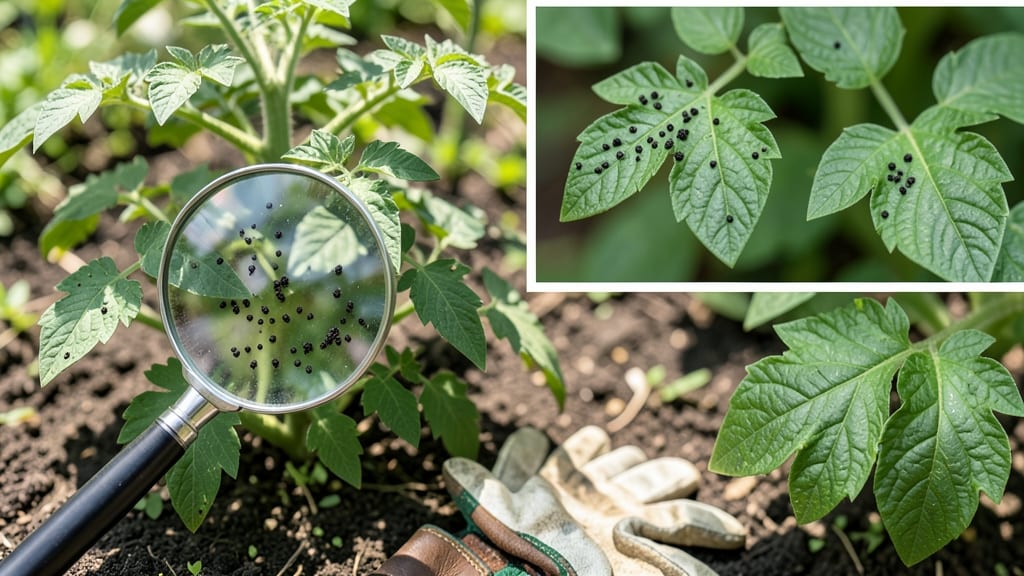
Those tiny small black dots on tomato plant leaves aren’t just unsightly—they’re a red flag for early blight or other fungal issues that can ruin your harvest if ignored. 🌱 I’ve seen this problem wipe out entire plants, but the good news?
You can stop it without harsh chemicals by acting fast with the right organic fixes.
The dots often start as tiny specks on lower leaves, then spread upward as the fungus thrives in warm, humid conditions. It’s not just early blight—thrips, spider mites, or even sooty mold from aphids can leave similar marks.
The key is checking for yellowing edges, wilting, or black streaks on stems to confirm what’s attacking your plants.
With a few simple steps—like removing infected leaves, improving airflow, and spraying a baking soda or neem oil mix—you’ll see new growth pushing out within 1-2 weeks. The plants stay productive, and your tomatoes stay blemish-free. Prevention is easier than cleanup, so let’s get your garden back on track.
Whether you’re dealing with a single plant or a full garden, these methods work in containers, raised beds, or in-ground plots. The goal is to keep your tomatoes thriving without sacrificing flavor or health—here’s how to make it happen.
Hidden Culprits Behind Leaf Spots
When you spot those tiny black dots on your tomato leaves, they’re rarely just a random quirk of nature. Instead, they’re often a clear signal that something’s amiss—whether it’s a fungal infection, environmental stress, or even an insect’s secret menu.
Understanding the root cause is the first step to saving your plants without reaching for harsh chemicals. Let’s break down the most common triggers, so you can diagnose—and fix—the problem fast.
Fungi are the most frequent culprits behind those pesky black specks. These microscopic organisms thrive in warm, humid conditions and can spread rapidly if left unchecked. Here’s what you’re likely dealing with:
🔍 Septoria Leaf Spot: The Classic Black Dot
What it is: Caused by the fungus Septoria lycopersici, this disease creates tiny, pinprick-sized black dots with yellow halos. Over time, the spots enlarge, and the leaves develop brown, dead patches.
Why it happens: The fungus spreads via water splashes (like from overhead irrigation) or infected seeds/transplants. It loves high humidity (75%+) and temperatures between 60–80°F. Poor air circulation—common in crowded gardens or greenhouses—gives it the perfect breeding ground.
Actionable clue: Check the undersides of leaves first. If you see tiny black specks with a dark center and lighter edges, this is your fungal nemesis.
🌡️ Early Blight: The Creeping Shadow
What it is: Caused by Alternaria solani, early blight starts with small black or brown spots that develop concentric rings (like bullseyes). Unlike Septoria, these spots often have a grayish center.
Why it happens: This fungus overwinters in soil or plant debris, then launches its attack when temperatures hover around 70–85°F. It thrives in wet foliage, so drip irrigation or late-day watering (when leaves stay damp overnight) invites it in.
Actionable clue: Look for spots on lower leaves first. If they’re crusty and irregular, early blight is likely the villain.
💧 Anthracnose: The Stealthy Spotter
What it is: Colletotrichum species cause Anthracnose, which creates sunken, black or dark brown spots with a water-soaked appearance. It often targets fruit and stems too.
Why it happens: This fungus loves excessive moisture, especially during fruit ripening. It’s common in humid climates or after heavy rain, and it can even hitch a ride on contaminated seeds or tools.
Actionable clue: If spots are raised, greasy-looking, or ooze in wet weather, Anthracnose is probably to blame.
Not all black dots are fungal. Some are the calling cards of tiny pests that munch on your tomato leaves, leaving behind a trail of destruction.
🐜 Thrips: The Tiny Stipplers
What they are: Thrips are 1–2mm-long insects that pierce leaves, creating tiny black specks or silver streaks (from their feeding scars). They also spread tobacco mosaic virus, which causes mottled leaves.
Why it happens: Thrips thrive in hot, dry conditions and are drawn to yellowing or stressed plants. They reproduce quickly, so a few can turn into an infestation in days.
Actionable clue: Look for tiny black dots clustered on upper leaves or sticky residue (honeydew) on lower leaves.
🐜 Spider Mites: The Web Weavers
What they are: Though they don’t leave black dots, their fine webbing and stippling can mimic fungal spots. Heavy infestations cause leaves to look speckled and bronzed.
Why it happens: Spider mites love dry, dusty conditions and multiply fast in hot weather (above 85°F). They’re often missed until the damage is visible.
Actionable clue: Check leaf undersides for tiny moving dots (mites) or silvery webbing.
Sometimes, those black dots aren’t caused by pests or disease at all—they’re a physical reaction to stress. Here’s what’s likely happening:
☀️ Sun Scorch: Too Much Heat
What it is: Intense sunlight + high temperatures can cause leaves to develop tiny, dry, blackened spots, especially on younger or hairy leaves.
Why it happens: Tomato plants need 6–8 hours of sunlight daily, but prolonged exposure above 90°F can scorch leaves. This is common in greenhouses, plastic tunnels, or reflective surfaces.
Actionable clue: Spots appear on exposed leaf surfaces and are dry, crispy, and not raised.
💧 Overwatering or Poor Drainage
What it is: Waterlogged soil can cause blackened leaf tips or edges due to root stress or oxygen deprivation.
Why it happens: Tomato roots need well-draining soil. If they sit in soggy conditions, the plant can’t absorb nutrients, leading to chlorosis (yellowing) and necrotic spots.
Actionable clue: Check soil moisture—if it’s constantly damp and leaves are yellowing between veins, drainage is the issue.
🌬️ Pollution or Chemical Burn
What it is: Exposure to airborne pollutants (like ozone or sulfur dioxide) or over-application of fertilizers/herbicides can cause tiny black or brown specks.
Why it happens: Urban gardens or areas near industrial zones, highways, or agricultural fields may have high pollutant levels. Even too much nitrogen can stress plants, making them susceptible to spotting.
Actionable clue: Spots appear randomly across leaves and may be accompanied by stunted growth.
💡 Pro Tip: Before jumping to conclusions, examine the pattern—are the dots raised, oozy, or dry? Do they have halos? Answering these questions helps narrow down the cause fast.
Quick Fixes for Tomato Leaf Spots
Now that you’ve identified the cause of those pesky small black dots on tomato leaves, it’s time to act! Whether it’s fungal spores, aphids, or environmental stress, each issue has a targeted solution.
Below, we’ll break down the best ways to treat and prevent further damage—without relying on harsh chemicals.
If your tomato plants are battling fungal diseases like early blight, late blight, or black spot, act fast to prevent the infection from worsening.
🔥 Remove Infected Leaves
- How: Snip off leaves with black or brown spots (including the stems) using clean, sharp scissors or pruning shears.
- Why: Fungal spores spread easily—removing infected foliage reduces the risk of contamination.
- Pro Tip: 💡 Dispose of infected leaves in the trash (not compost)—fungi can survive in compost piles.
🌡️ Improve Air Circulation & Light
- How: Prune overcrowded branches, space plants 18–24 inches apart, and avoid watering overhead (use drip irrigation instead).
- Why: Fungi thrive in damp, shaded conditions. Better airflow keeps leaves dry and less hospitable to spores.
✨ Natural Fungicides for Prevention
- Copper Spray (Organic): Mix 1 tsp copper sulfate or copper fungicide with 1 gallon of water. Spray leaves early in the morning (avoid direct sunlight).
- Baking Soda Solution: Combine 1 tsp baking soda, 1 tbsp vegetable oil, and 1 quart of water.
Spray every 7–10 days. - Neem Oil: Mix 1 tbsp neem oil with 1 quart of water + a drop of dish soap (as an emulsifier). Spray evenly on both leaf sides.
🌱 Soil & Mulch Adjustments
- Avoid Overwatering: Let the top 1–2 inches of soil dry between waterings.
- Use Mulch: Apply a 2–3 inch layer of straw or grass clippings to keep soil moist (but not soggy) and prevent splashing spores onto leaves.
If tiny black dots are actually aphid poop, mites, or thrips, here’s how to evict them for good.
🚿 Blast Away with Water
- How: Use a strong spray of water (from a hose or spray bottle) to knock off aphids and mites. Repeat every 2–3 days.
- Why: Many pests hate water pressure—it dislodges them and washes away their eggs.
🐝 Introduce Beneficial Insects
- Ladybugs & Lacewings: Release 25–50 ladybugs per plant or hang lacewing egg cards near your garden. They love eating aphids.
- Predatory Mites: For spider mites, introduce phytoseiulus persimilis (a natural mite predator).
🍳 Homemade Pest Repellent Sprays
- Soap Spray: Mix 1 tbsp mild castile soap or insecticidal soap with 1 quart of water.
Spray directly on pests (avoid flowering plants to protect pollinators). - Garlic & Chili Spray: Blend 2 cloves of garlic, 1 chili pepper, and 1 quart of water. Strain and spray on leaves. Reapply every 5 days.
🌿 Prevent Future Infestations
- Sticky Traps: Place yellow sticky traps near plants to monitor and catch flying pests like whiteflies.
- Row Covers: Use lightweight fabric row covers to block pests while allowing sunlight and water through.
If the black dots are due to heat stress, nutrient deficiency, or poor drainage, tweak your growing conditions.
💧 Watering Fixes
- Morning Watering: Water early in the day so leaves dry quickly (prevents fungal growth).
- Deep Watering: Water deeply once or twice a week (instead of daily shallow watering) to encourage strong roots.
🌱 Soil & Fertilizer Check
- Test Soil pH: Tomatoes prefer 6.0–6.8 pH. Adjust with lime (to raise pH) or sulfur (to lower it).
- Balanced Fertilizer: Use a 10-10-10 or 5-5-5 fertilizer (or compost) to prevent nutrient burns.
🏡 Shade & Heat Management
- Shade Cloth: In extreme heat (above 90°F), provide 30–50% shade cloth to protect leaves.
- Mulch Heavily: Use black plastic or straw mulch to regulate soil temperature and retain moisture.
Once your tomato plants are healthy, keep them that way with these proactive steps:
✅ Rotate Crops: Avoid planting tomatoes (or nightshades like peppers/eggplants) in the same spot next year. ✅ Clean Up Debris: Remove old plant material at the end of the season to eliminate fungal overwintering spots. ✅ Resistant Varieties: Choose disease-resistant tomato varieties (e.g., ‘Mountain Merit,’ ‘Celebrity,’ or ‘Defiant PhR’). ✅ Healthy Starts: Buy transplants from reputable nurseries (not infected seedlings).
With these targeted fixes, your tomato plants should bounce back in no time—and you’ll be harvesting juicy, blemish-free tomatoes in weeks! 🍅🔥
Frequently asked questions
Are those tiny black dots on my tomato leaves always a sign of disease?
Not necessarily! While fungal infections like early blight or Septoria leaf spot are common causes, they could also be pest damage (like thrips or spider mites), sun scorch, or even over-fertilization. Always check for other symptoms: raised spots with halos suggest fungus, while dry crispy dots likely mean heat stress.
How quickly can I expect to see improvement after treating fungal spots?
With proper care, you should notice new growth pushing out within 1-2 weeks. Remove infected leaves immediately, improve airflow, and apply organic sprays like neem oil or baking soda. Consistency is key—stopping the spread early prevents permanent damage to your tomato plants.
Can I still eat tomatoes from plants with black spots on the leaves?
Yes, but only if the spots are on leaves (not fruit). Fungal diseases rarely spread from leaves to tomatoes, and pest damage doesn't make fruit unsafe. Just wash your tomatoes thoroughly before eating. The bigger concern is yield—severely infected plants may produce fewer tomatoes.
What's the best time of day to spray my tomato plants for fungal prevention?
Early morning is ideal! Spraying between 6-9 AM gives leaves time to dry before evening humidity sets in. Avoid spraying in direct sunlight (it can burn leaves) or late in the day (leaves stay wet overnight, encouraging fungal growth).
Will my tomato plants recover completely if I treat them early?
Tomato plants are resilient. If you catch black spots early and act quickly (removing infected leaves, improving airflow, and applying organic treatments), your plants can fully recover. The key is preventing spread—once new growth appears, your plants will bounce back stronger than ever.